Home › Plants › Perennial Plants That Come Back Every Year
Perennial Plants That Come Back Every Year
54 plants
Perennials are the low-effort backbone of a food garden — plant once and they return each year, often bigger and more productive. These crops are marked perennial in our data and include fruits, berries, herbs, and a few perennial vegetables. Because they establish over multiple seasons, they're a different investment than annuals: slower to start, but they pay off for years.
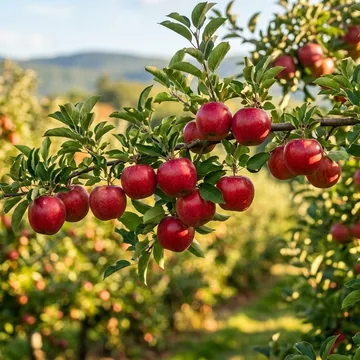
Apple
intermediate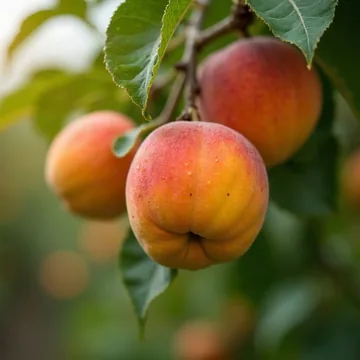
Apricot
intermediate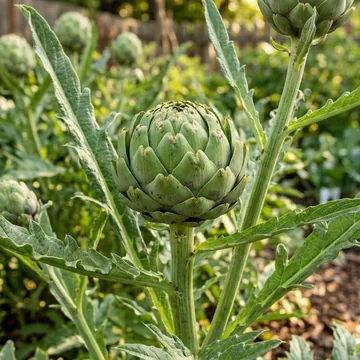
Artichoke
intermediate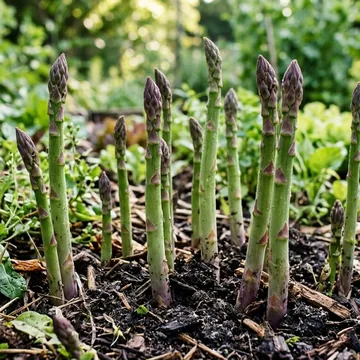
Asparagus
advanced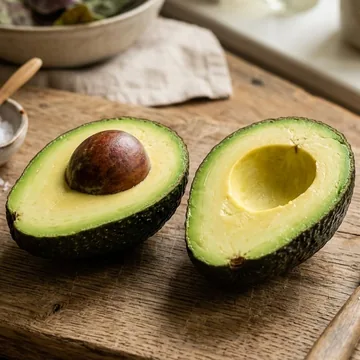
Avocado
advanced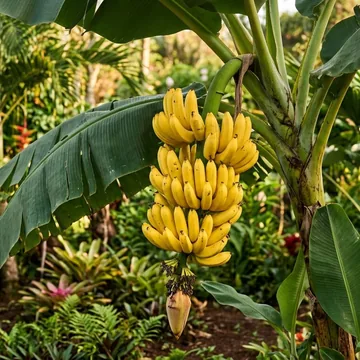
Banana
intermediate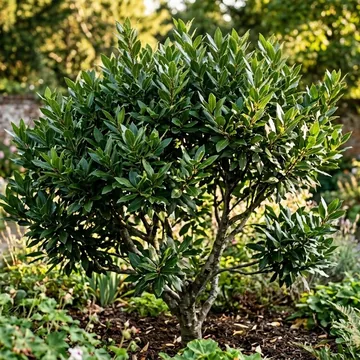
Bay Laurel
intermediate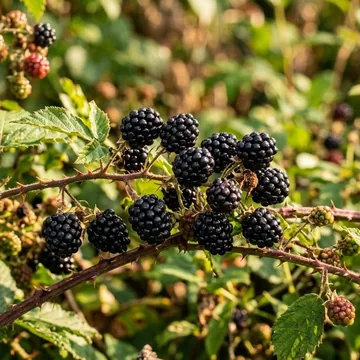
Blackberry
beginner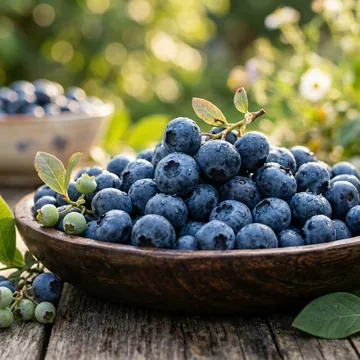
Blueberry
intermediate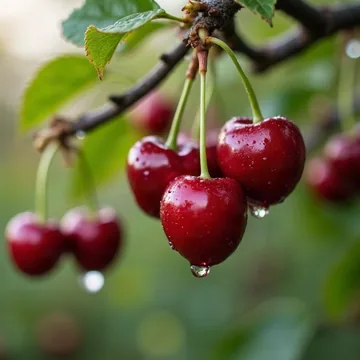
Cherry
intermediate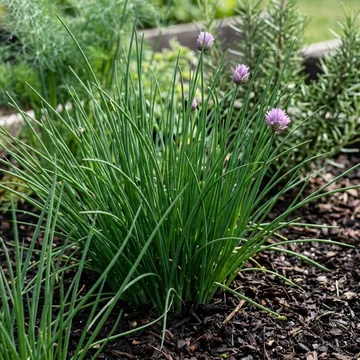
Chives
beginner
Cranberry
advanced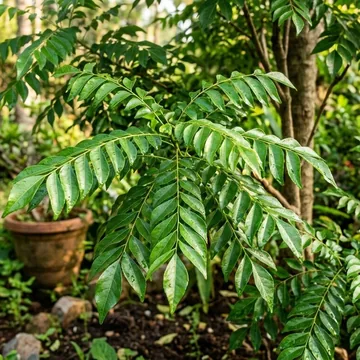
Curry Leaf Tree (Kadi Patta)
intermediate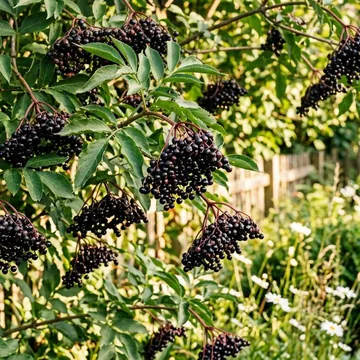
Elderberry
beginner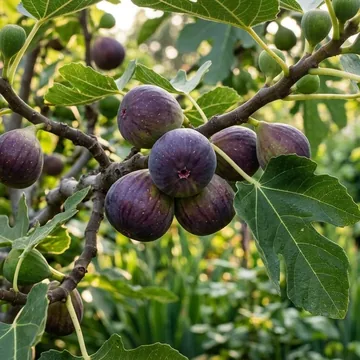
Fig
intermediate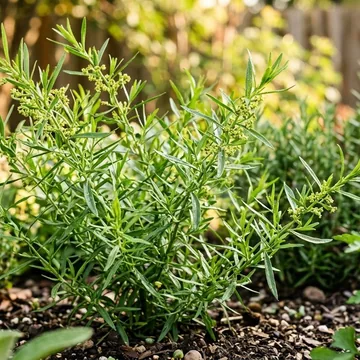
French Tarragon
intermediate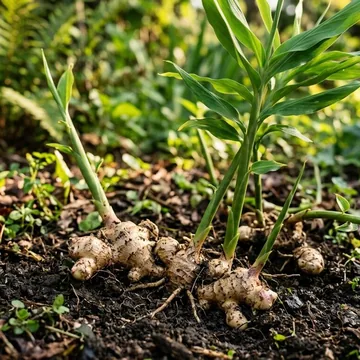
Ginger
intermediate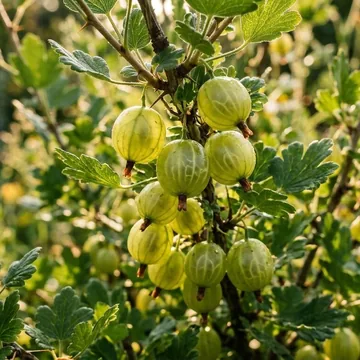
Gooseberry
beginner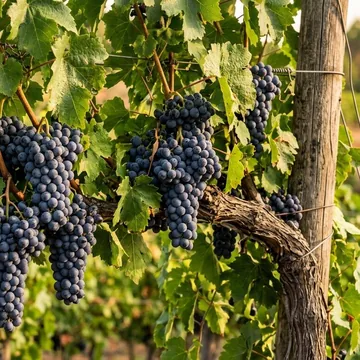
Grape
intermediate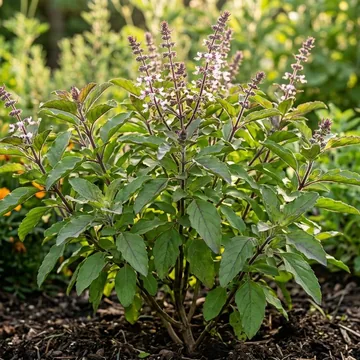
Holy Basil (Tulsi)
beginner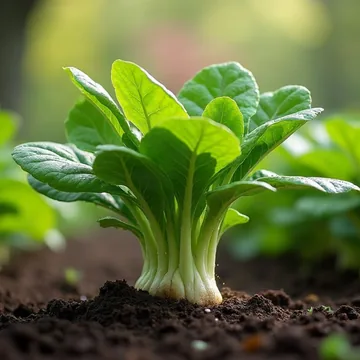
Horseradish
beginner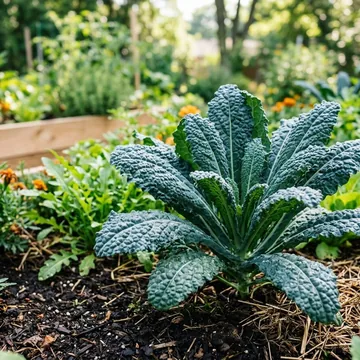
Kale
beginner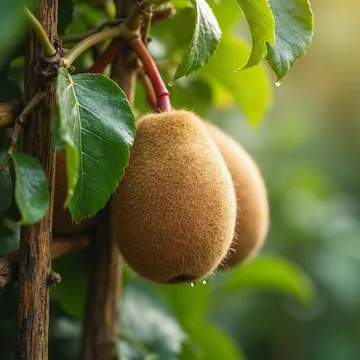
Kiwi
intermediate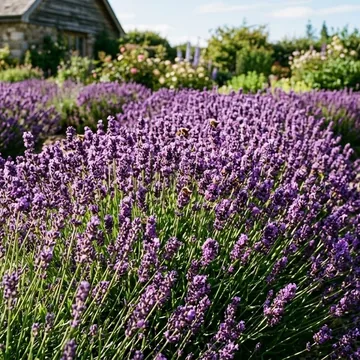
Lavender
intermediate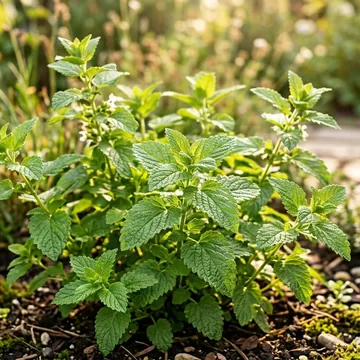
Lemon Balm
beginner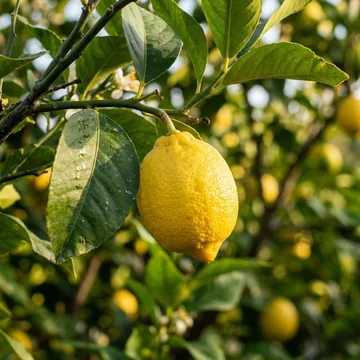
Lemon Tree
intermediate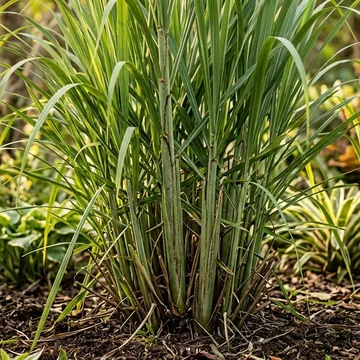
Lemongrass
intermediate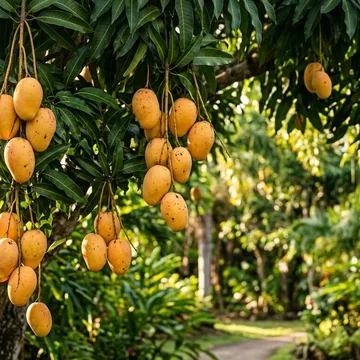
Mango
advanced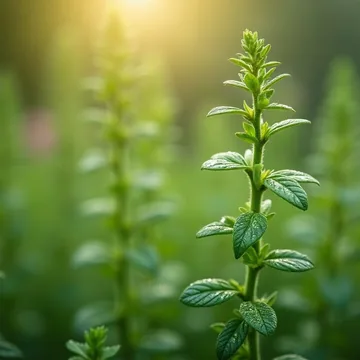
Marjoram
beginner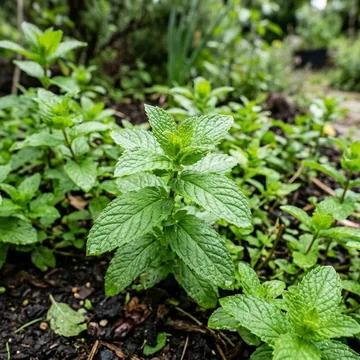
Mint
beginner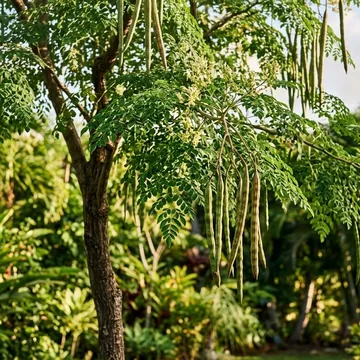
Moringa (Drumstick Tree)
intermediate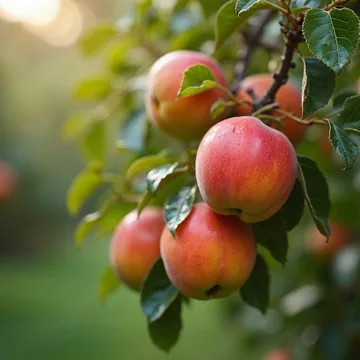
Nectarine
intermediate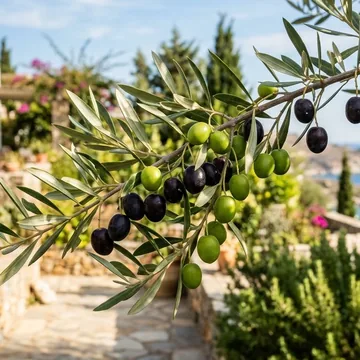
Olive
intermediate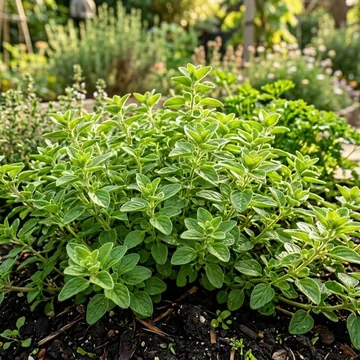
Oregano
beginner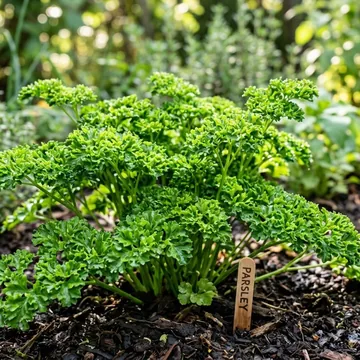
Parsley
beginner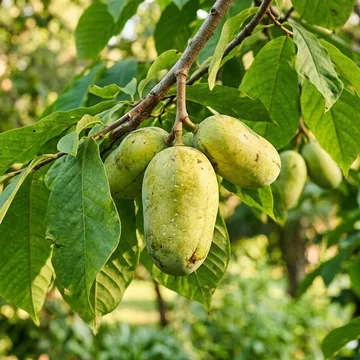
Pawpaw
intermediate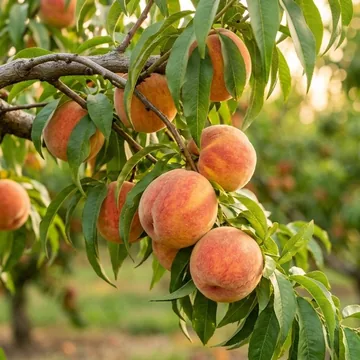
Peach
intermediate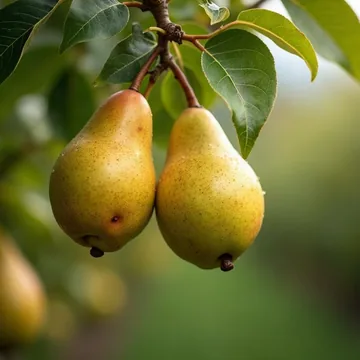
Pear
beginner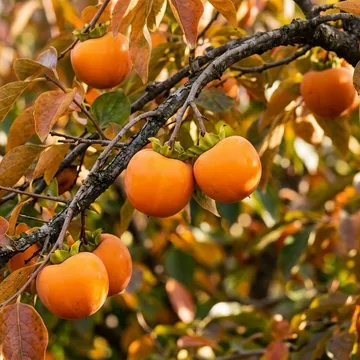
Persimmon
beginner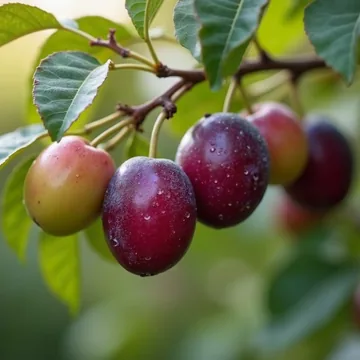
Plum
beginner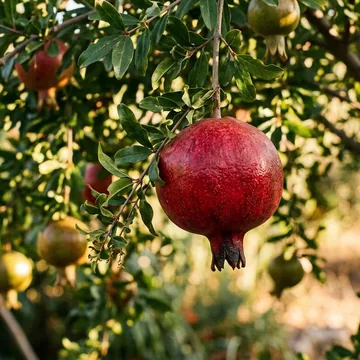
Pomegranate
intermediate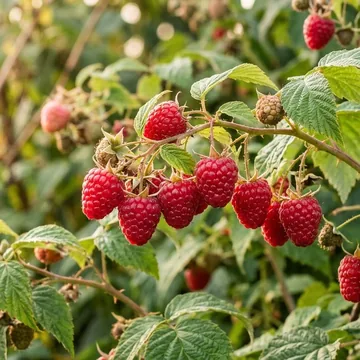
Raspberry
intermediate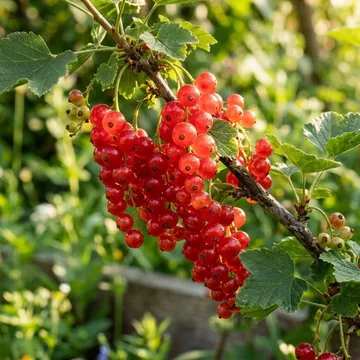
Red Currant
beginner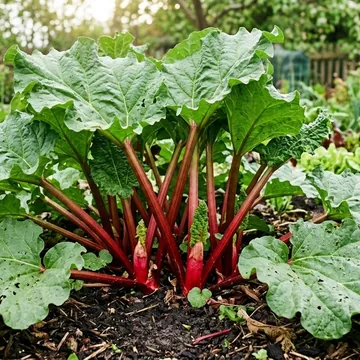
Rhubarb
beginner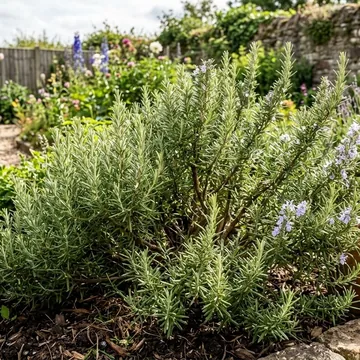
Rosemary
beginner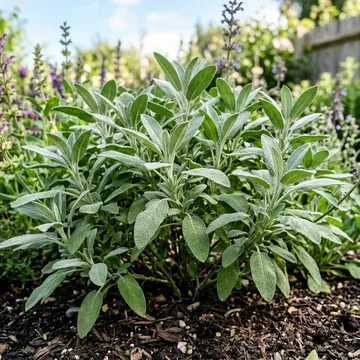
Sage
intermediate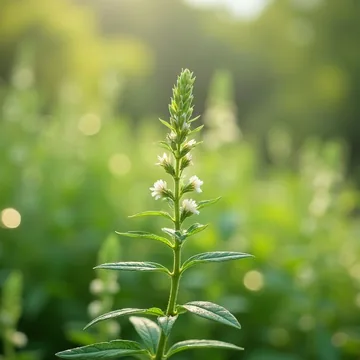
Savory
beginner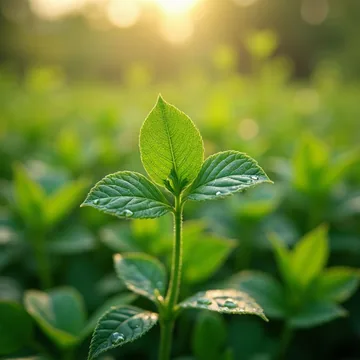
Sorrel
beginner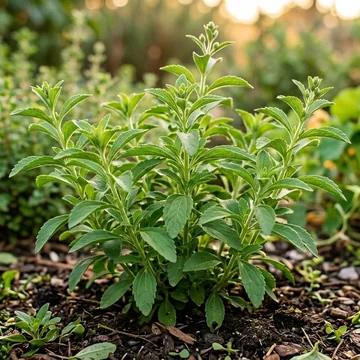
Stevia
intermediate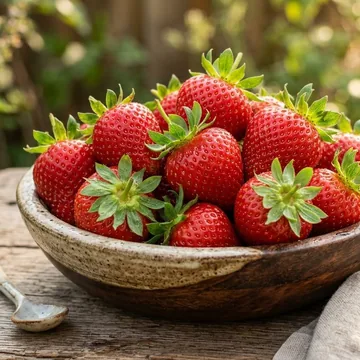
Strawberry
beginner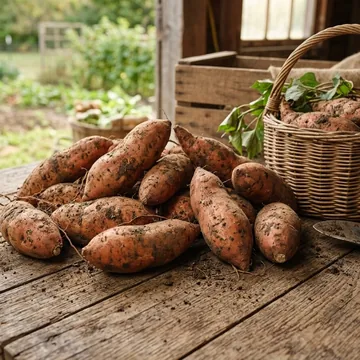
Sweet Potato
intermediate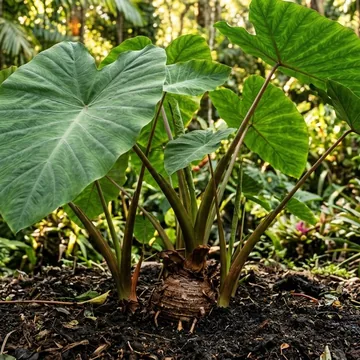
Taro (Arbi / Colocasia)
intermediate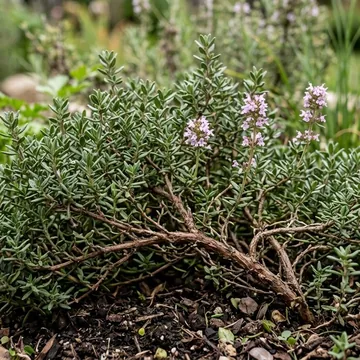
Thyme
beginner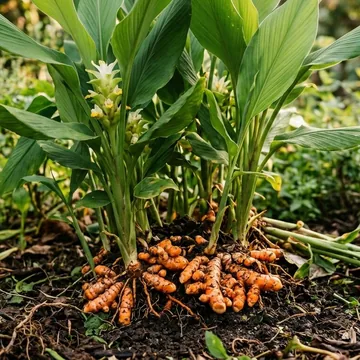
Turmeric (Haldi)
intermediateFrequently asked questions
What vegetables are perennial?
Asparagus, rhubarb, artichoke (in mild zones), and a few hardy greens like sorrel. Most garden vegetables are annuals, but the perennial exceptions are worth the space.
How long do perennial plants take to establish?
Most take 1–3 years to reach full production — asparagus often needs 2–3 years before a light harvest. The payoff is decades of returns from one planting.
Do perennials need different care?
Yes — they need well-prepped soil at planting time, winter protection in cold zones, and infrequent dividing. Get the site right once and they largely care for themselves.