How to Grow Fig
Zones 7a–11b · Intermediate · Perennial
Container-friendlyBalcony/patioPerennial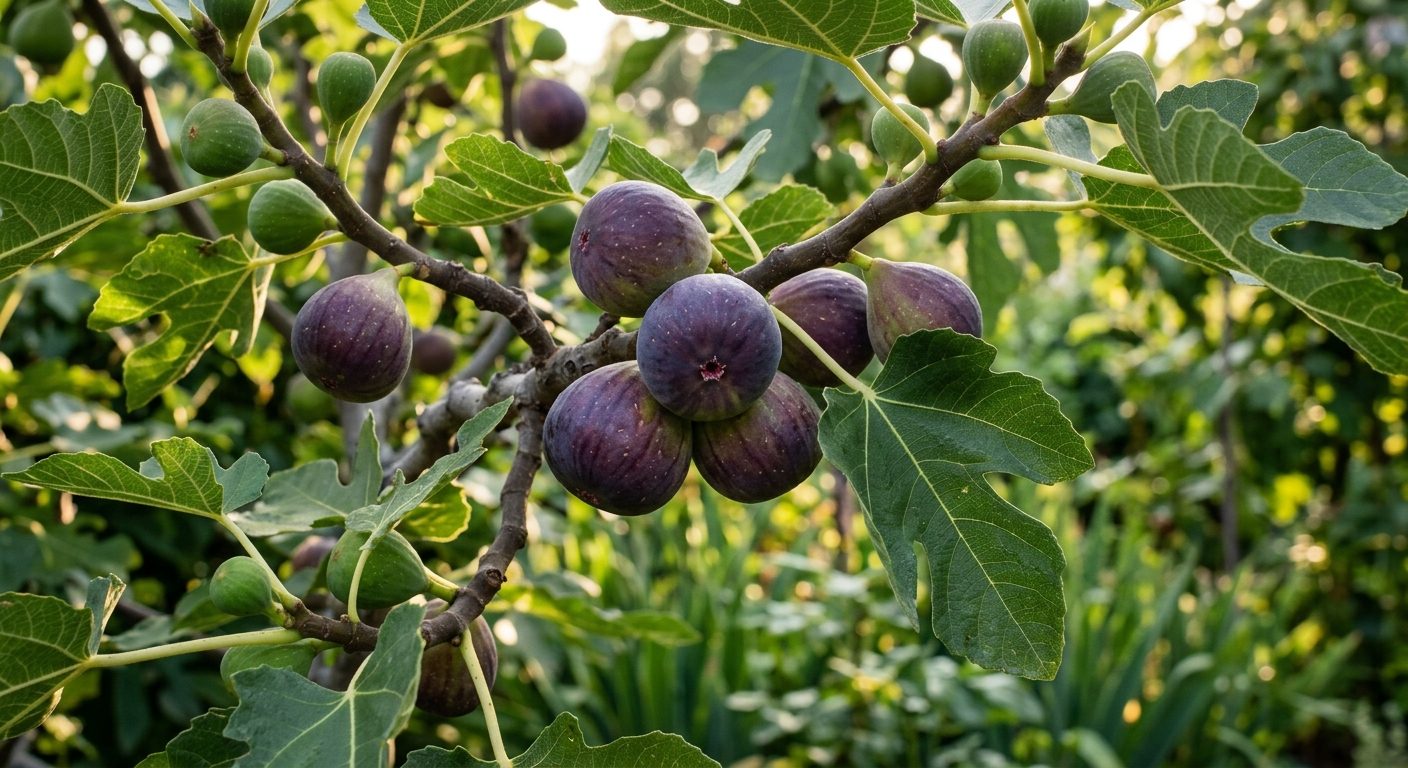
Figs are drought-tolerant productive trees that thrive in warm climates and can be container-grown in cold zones.
Light
Water
Soil
Days to harvest
When to plant Figs
Your exact dates depend on your last frost date. Enter your location to get your personalized planting calendar.
In general: direct-sow or transplant after your last frost, and expect harvest starting the following season. See zone 7a →
Growing guide
Overview
Fig is a drought-tolerant perennial fruit tree grown for its sweet, soft fruit and broad lobed leaves. It thrives in warm, sunny spots with well-drained soil and performs well in large containers, which allows growers in colder zones to move it indoors for winter.
Soil & planting prep
Figs do best in loamy or sandy, well-drained soil; avoid heavy clay or low spots that hold water. A pH around 6.0–6.8 is ideal, but figs are adaptable. Space in-ground trees about 10–15 feet apart and plant at the same depth as the nursery container, never deeper.
When to plant
Plant figs in spring after your last frost date, once the soil has warmed and frost danger is fully past. Because figs are not frost-tolerant, fall planting is not recommended in cold zones. Container figs can go outside after the last frost and must return indoors before fall frost.
How to plant
- Choose a full-sun site with well-drained soil; in Zones 7–8, a south-facing wall provides extra heat and wind protection.
- Dig a hole about twice as wide as the root ball and the same depth as the container.
- Set the fig in the hole at the same depth it was growing, spread the roots gently, and backfill with native soil without packing it tightly.
- Water deeply right after planting to settle soil around the roots, then let the soil begin to dry before the next watering.
- Apply mulch around the root zone to retain moisture, keeping it a few inches away from the trunk to prevent rot.
5 common mistakes to avoid
- Planting figs in heavy, poorly drained soil or a low wet spot causes root rot and winter dieback; choose sandy or loamy soil, or plant in a raised bed or container.
- Keeping established fig roots constantly wet with frequent lawn-style irrigation leads to soggy roots, bland fruit, and disease; let the top few inches of soil dry out before watering again.
- Overfeeding figs with high-nitrogen fertilizer pushes leafy growth at the expense of fruit and creates tender late growth that winter damages; skip the fertilizer unless a soil test shows a clear deficiency.
- Hard pruning in winter removes too much fruiting wood and disrupts the main crop; figs fruit on new wood, so prune only dead, damaged, or crowded branches lightly in late winter.
- Picking figs too early, while they are firm and green, gives hard, flavorless fruit because figs do not ripen off the tree; wait until the fruit softens, droops at the neck, and may show a fine crack.
- Leaving a container-grown fig outdoors through freezing weather kills or severely damages the roots; in cold zones, move the dormant container into an unheated garage or protected cold room before hard frost.
Harvesting & storage
Figs are ready when the fruit softens, droops at the neck, and often develops a small crack or bead of sap at the eye; color varies by variety. Harvest by bending the stem until the fruit separates, wearing gloves if the sap irritates your skin. Eat fresh or store ripe figs in the refrigerator for only 2–3 days.
Companion planting
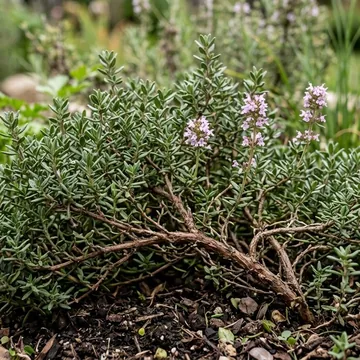
Low-growing herbs such as thyme or oregano can share the sunny, dry root zone around figs. Avoid planting figs close to large trees, hedges, or aggressive vines that compete for water and root space.
Growing in containers
Figs grow well in a container of at least 15 gallons with a well-drained potting mix, but container plants dry out faster and need more frequent checking than in-ground trees. In Zones below 7a, move the dormant container into an unheated garage or cold room for winter protection.
Pro tips
In Zone 7-8 plant against a south-facing wall for heat and wind protection. In cold zones grow in containers and bring indoors for winter. Figs fruit on new wood — minimal pruning needed.
Grow Figs this season
Get fig seeds and supplies matched to your climate.
Shop fig seeds →We may earn a commission when you buy through links on our site. Full disclosure.
Frequently asked questions
How long do Figs take to grow?
Figs take about Perennial.
What zone does Fig grow in?
Figs grow in USDA Hardiness Zones 7a–11b.
Can you grow Fig in a container?
Yes — Figs grow well in containers. A 15-gallon pot or larger is ideal.
Is Fig hard to grow?
Difficulty: Intermediate. Figs are drought-tolerant productive trees that thrive in warm climates and can be container-grown in cold zones.
Is Fig safe for dogs and cats?
Figs are safe for both dogs and cats.
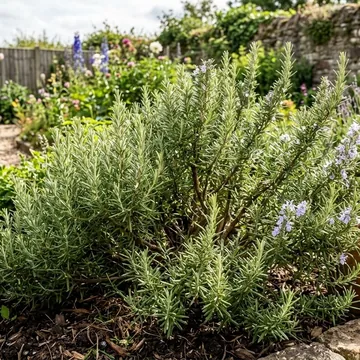
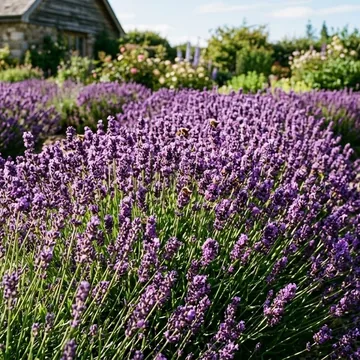
Grows well with
Companion plants that help fig — improving growth, repelling pests, or attracting pollinators.
More plants to grow
Popular guides readers also check.

🌱 Get fig planting dates for your zone
Get your personalized "what to plant and when" calendar for your zone — plus tips when each crop is ready. Free, unsubscribe anytime.