How to Grow Rosemary
Zones 6a–11b · Beginner · Perennial
Container-friendlyBalcony/patioIndoor-friendlyPerennialDeer-resistant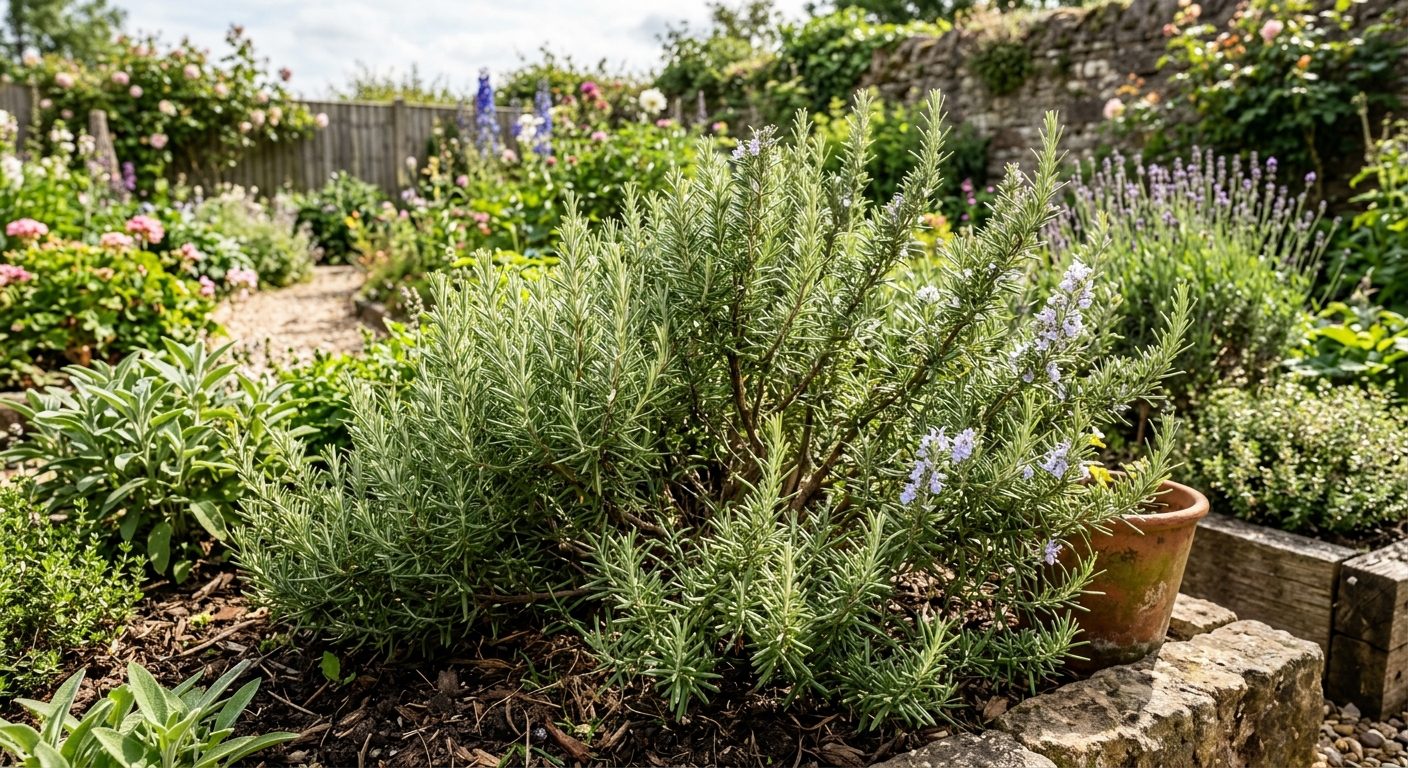
Rosemary is a Mediterranean herb that thrives in poor well-drained soil and full sun once established.
Light
Water
Soil
Days to harvest
When to plant Rosemaries
Your exact dates depend on your last frost date. Enter your location to get your personalized planting calendar.
In general: direct-sow or transplant after your last frost, and expect harvest starting the following season. See zone 6a →
Growing guide
Overview
Rosemary is a woody, evergreen Mediterranean herb grown for its aromatic, needle-like leaves and compact shrub form. Growers love it because it is drought-tolerant, long-lived, and useful in the kitchen. It thrives in full sun and lean, very well-drained soil with low water once established.
Soil & planting prep
Plant rosemary in sandy or loamy soil that drains sharply; avoid heavy clay unless improved with coarse sand or fine grit. A pH around 6.0–7.5 is ideal. Space plants 18–24 inches apart and set transplants at the same depth they were growing in the nursery pot.
When to plant
Plant nursery transplants or rooted cuttings outdoors in spring after your last frost date, once the soil has warmed and nights are reliably above 45–50°F. Because rosemary is not frost-tolerant, wait until frost danger has passed and avoid cold, wet spring soil.
How to plant
- Choose a site with full sun, at least 6 hours of direct light daily, and sharp drainage.
- If your soil is heavy, mix in coarse sand or fine grit; do not add rich compost or manure.
- Dig a hole as deep as the root ball and about twice as wide, spacing plants 18–24 inches apart.
- Set the plant in the hole at the same depth it was growing in its pot, backfill, and firm lightly.
- Water deeply right after planting, then let the top inch of soil dry out before watering again.
5 common mistakes to avoid
- Overwatering is the most common killer: rosemary roots rot in constantly moist soil, so let the top inch or two dry out before watering and use a fast-draining mix.
- Planting in shade or partial shade weakens growth and reduces the aromatic oils, so give it at least 6 hours of direct sun daily.
- Enriching the planting hole with manure or rich compost pushes soft, weak growth with less flavor; rosemary prefers lean, sandy or gritty soil.
- Leaving rosemary in wet soil through hard freeze-thaw cycles can kill it in cold-edge zones, so grow it in containers and move them indoors before frost or provide extremely sharp drainage.
- Never cutting it back leads to a woody, sparse plant; prune lightly after flowering or harvest tips regularly to keep it bushy.
Harvesting & storage
Begin harvesting once the plant is established and putting on strong new growth. Snip 4–6 inch sprigs from outer stems, cutting above a leaf node, and avoid cutting into old, leafless wood. Use fresh, or dry small bunches and store the leaves in an airtight jar away from light.
Companion planting
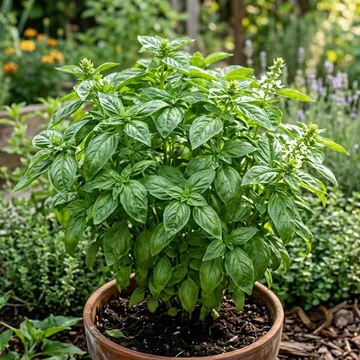
Good companions include beans, carrots, cabbage-family crops, and sage. Avoid planting it beside basil or other moisture-loving herbs that need consistently wetter soil than rosemary tolerates.
Growing in containers
Rosemary grows well in containers; use a pot at least 3 gallons with a drainage hole and a gritty, well-drained potting mix. In colder parts of its range, grow it in a container so you can move it to a bright, cool indoor spot before frost.
Pro tips
Plant in the sunniest most well-drained spot. Excellent in containers — bring indoors in winter in cold zones. Drought-tolerant once established. Avoid overwatering.
Grow Rosemaries this season
Get rosemary seeds and supplies matched to your climate.
Shop rosemary seeds →We may earn a commission when you buy through links on our site. Full disclosure.
Frequently asked questions
How long do Rosemaries take to grow?
Rosemaries take about Perennial.
What zone does Rosemary grow in?
Rosemaries grow in USDA Hardiness Zones 6a–11b.
Can you grow Rosemary in a container?
Yes — Rosemaries grow well in containers. A 3-gallon pot or larger is ideal.
Is Rosemary hard to grow?
Difficulty: Beginner. Rosemary is a Mediterranean herb that thrives in poor well-drained soil and full sun once established.
Is Rosemary safe for dogs and cats?
Rosemaries are safe for both dogs and cats.
Grows well with
Companion plants that help rosemary — improving growth, repelling pests, or attracting pollinators.
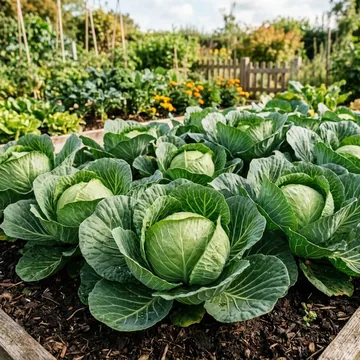
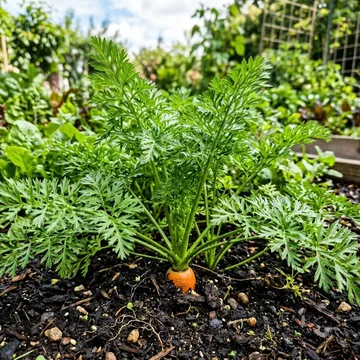
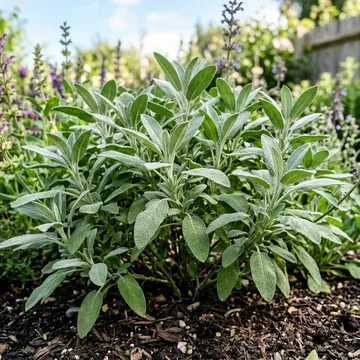
Keep away from: Basil.
More plants to grow
Popular guides readers also check.

🌱 Get rosemary planting dates for your zone
Get your personalized "what to plant and when" calendar for your zone — plus tips when each crop is ready. Free, unsubscribe anytime.