How to Grow Sage
Zones 4a–8b · Intermediate · Perennial
Container-friendlyBalcony/patioIndoor-friendlyPerennialDeer-resistant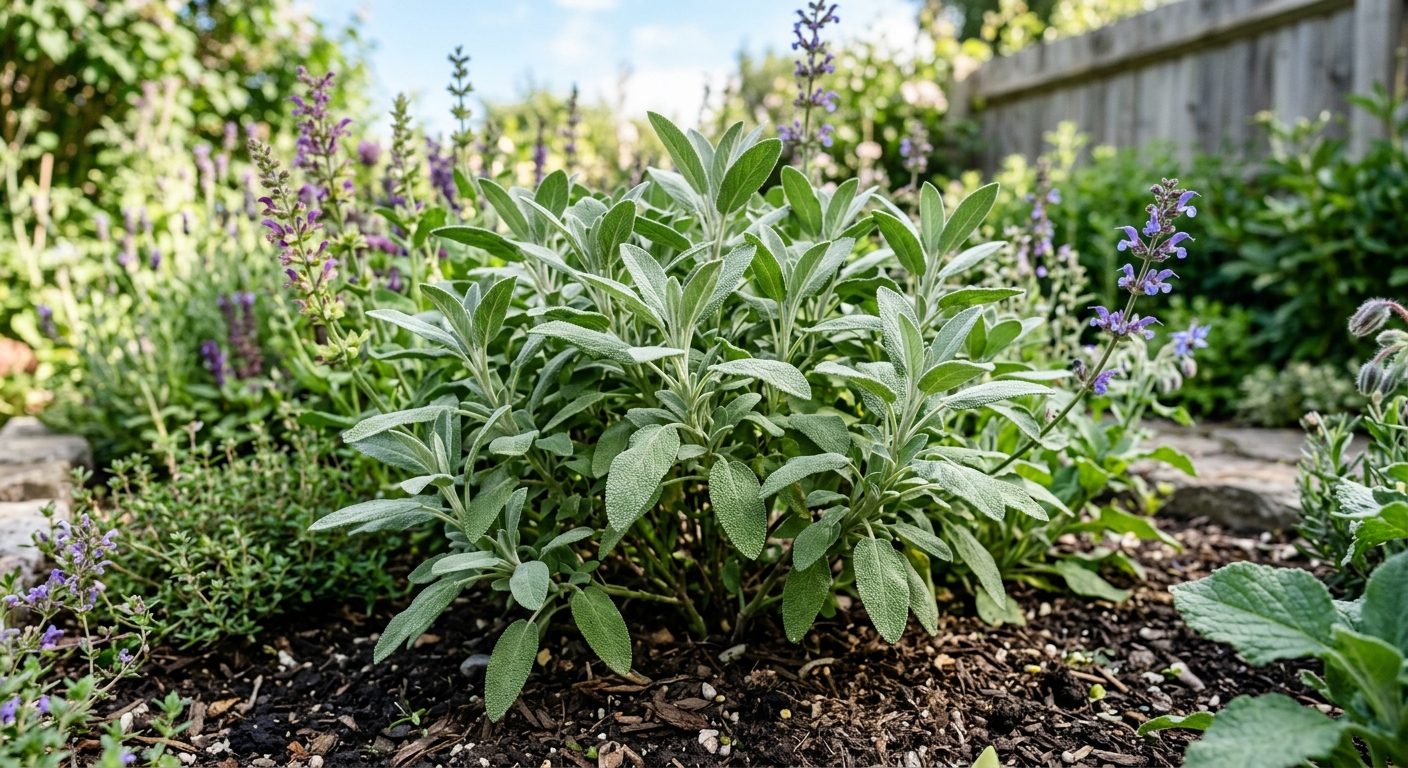
Sage is a hardy drought-tolerant perennial herb that becomes more aromatic in lean well-drained soil.
Light
Water
Soil
Days to harvest
Start indoors
When to plant Sage
Your exact dates depend on your last frost date. Enter your location to get your personalized planting calendar.
In general: start seeds indoors 4 weeks before your last frost, and expect harvest starting the following season. See zone 4a →
Growing guide
Overview
Sage is a hardy, drought-tolerant perennial herb prized for its soft gray-green leaves and savory flavor. Gardeners love it because it thrives in lean, well-drained soil and full sun with little water once established. It needs excellent drainage and a good spring pruning to stay leafy rather than woody.
Soil & planting prep
Sage grows best in sandy or loamy soil that drains quickly, with a soil pH around 6.0–7.0. Space plants 18–24 inches apart and set transplants at the same depth they were growing in their pots. If soil is heavy, mix in coarse sand or fine grit to improve drainage rather than adding rich compost or manure.
When to plant
Sage is a spring-planted herb, not a fall crop. Start seeds indoors about 4 weeks before your last spring frost date. Harden off seedlings and transplant around the last frost date; because sage is frost tolerant, you can set plants out a week or two earlier if hard freezes have passed.
How to plant
- Four weeks before your last frost date, sow seeds indoors in a well-draining seed-starting mix, pressing them onto the surface and covering with no more than 1/8 inch of mix.
- Harden off seedlings gradually over 7–10 days once outdoor temperatures are mild.
- Pick a full-sun planting site with sandy or loamy soil; in heavy or clay soil, mix in coarse sand or fine grit to improve drainage.
- Set plants 18–24 inches apart at the same depth they were growing in their pots, then water lightly to settle the soil.
- Water only enough to keep the root zone from drying out completely until new growth appears, then reduce watering as plants establish.
5 common mistakes to avoid
- Overwatering sage or planting it in rich, heavy soil often causes root rot and weak, less flavorful growth; avoid this by using lean, very well-drained soil and letting the top inch of soil dry before watering again.
- Skipping the early-spring prune lets sage become woody and leggy with few fresh leaves; cut plants back by about one-third to one-half every spring to encourage new growth.
- Waiting until after the plant has flowered to take most of your harvest can reduce flavor intensity; harvest leaves before flower spikes open, or pinch off buds to prolong strong flavor.
- Growing sage in part shade often produces weak, stretched stems and lower aromatic oil content; give it at least 6–8 hours of direct sun per day.
- Letting sage sit in wet winter soil kills many plants even within its hardiness range; plant on a slope, raised bed, or in gritty soil so winter moisture drains away from the crown.
Harvesting & storage
Sage is ready for light harvest once the plant has several sets of true leaves and is about 6–8 inches tall. Snip leaves or short stems in the morning after dew dries, and avoid removing more than one-third of the plant at a time, especially in the first year. Dry stems by hanging them in a warm, airy spot, or store fresh leaves in a sealed bag in the refrigerator for a few days.
Companion planting
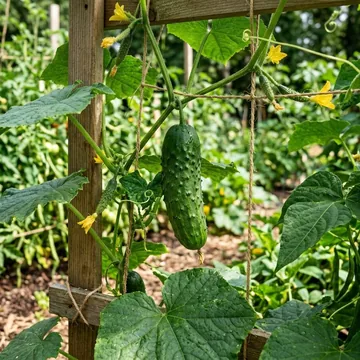
Sage grows well with rosemary, thyme, oregano, and lavender because they all prefer lean, well-drained soil and full sun. Avoid placing it next to water-loving crops like cucumbers or basil that need frequent irrigation.
Growing in containers
Sage is a good container herb; use a pot of at least 3 gallons with drainage holes and a gritty, well-draining potting mix. Place it in full sun and water only when the top 1–2 inches of soil feel dry.
Pro tips
Plant in full sun very well-drained soil. Prune hard in spring to prevent woodiness. Excellent in containers — very drought-tolerant once established. Harvest before flowering for best flavour.
Grow Sage this season
Get sage seeds and supplies matched to your climate.
Shop sage seeds →We may earn a commission when you buy through links on our site. Full disclosure.
Frequently asked questions
How long do Sage take to grow?
Sage take about Perennial, plus 4 weeks to start seeds indoors.
What zone does Sage grow in?
Sage grow in USDA Hardiness Zones 4a–8b.
Can you grow Sage in a container?
Yes — Sage grow well in containers. A 3-gallon pot or larger is ideal.
Is Sage hard to grow?
Difficulty: Intermediate. Sage is a hardy drought-tolerant perennial herb that becomes more aromatic in lean well-drained soil.
Is Sage safe for dogs and cats?
Sage are safe for both dogs and cats.
Grows well with
Companion plants that help sage — improving growth, repelling pests, or attracting pollinators.
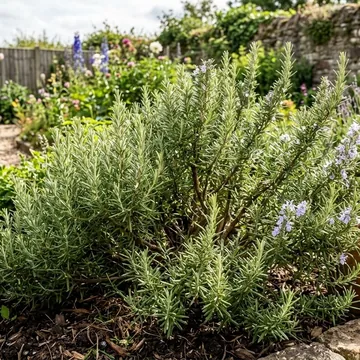
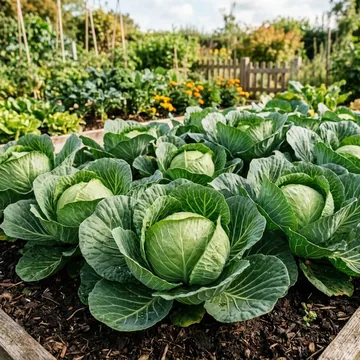
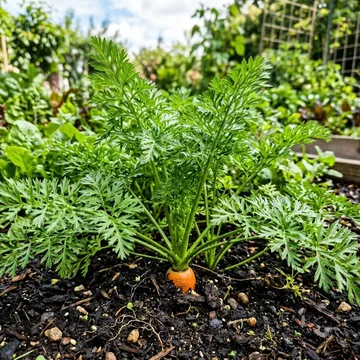
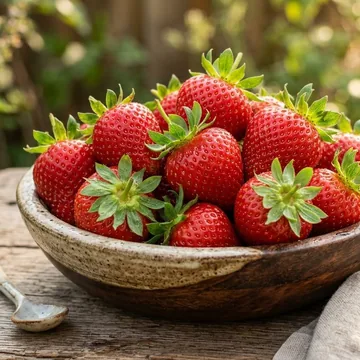
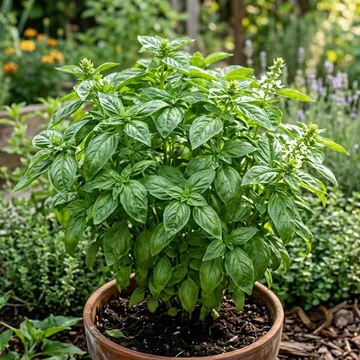
Keep away from: Cucumber, Basil.
More plants to grow
Popular guides readers also check.
🌱 Get sage planting dates for your zone
Get your personalized "what to plant and when" calendar for your zone — plus tips when each crop is ready. Free, unsubscribe anytime.