How to Grow Cabbage
Zones 1a–9b · Intermediate · 70–120 days
Container-friendly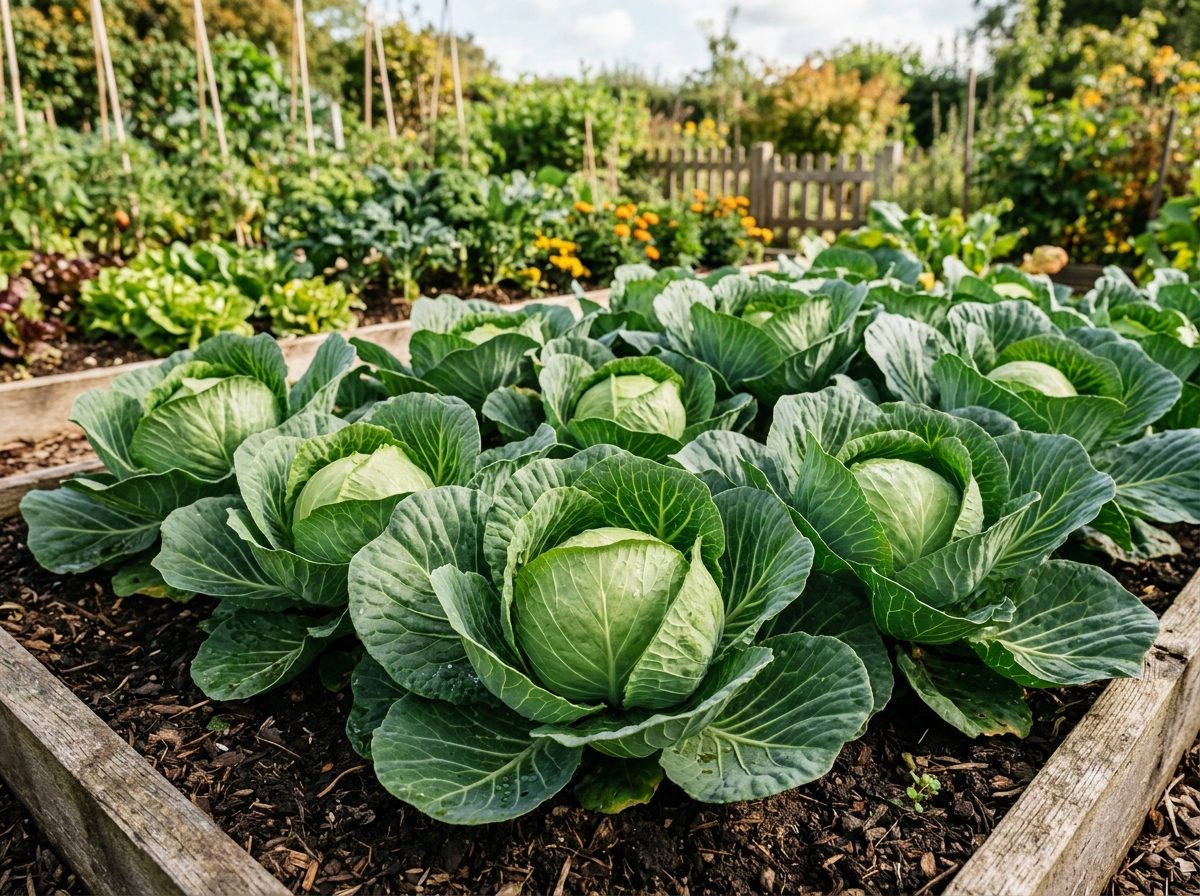
Cabbage is cold-hardy and productive — a staple of cool-climate gardens.
Light
Water
Soil
Days to harvest
Start indoors
When to plant Cabbages
Your exact dates depend on your last frost date. Enter your location to get your personalized planting calendar.
In general: start seeds indoors 6 weeks before your last frost, and expect harvest ~70–120 days later. See zone 1a →
Growing guide
Overview
Cabbage is a cold-hardy brassica that forms tight, edible heads in cool weather. Gardeners value it for its productivity, long storage life, and tolerance of spring frosts. It grows best in full sun, fertile well-drained loam or clay, and steady moisture.
Soil & planting prep
Choose loamy or clay soil that drains well and work in 2-3 inches of compost before planting. Cabbage grows best in soil with a pH of 6.0-6.8, though it tolerates slightly alkaline soil. Space plants 12-18 inches apart in rows 24-36 inches apart, and set transplants at the same depth they grew in their cells.
When to plant
Start cabbage seeds indoors about 6 weeks before your average last spring frost date. Harden off seedlings and transplant them into the garden 2-3 weeks before the last frost, because established cabbage handles frost. In short-season climates, plant as early as the soil can be worked so heads form before summer heat.
How to plant
- Start seeds indoors 6 weeks before your last spring frost, sowing them 1/4 inch deep in seed-starting mix.
- Harden off seedlings for 7-10 days by gradually exposing them to outdoor sun, wind, and cool nights.
- Transplant into the garden 2-3 weeks before the last frost, spacing plants 12-18 inches apart and rows 24-36 inches apart.
- Water transplants immediately and keep the soil evenly moist, especially as heads begin to form.
- Cover plants with floating row cover or insect netting right after transplanting to exclude cabbage moths and cabbage worms.
5 common mistakes to avoid
- Planting too late in spring so heads try to form in summer heat leads to loose, bitter, or bolting plants; start seeds 6 weeks before the last frost and transplant early.
- Letting soil moisture swing between dry and wet during head formation causes slow growth and can make heads split; water consistently and mulch around plants.
- Skipping row cover or netting invites cabbage moth caterpillars, cabbage loopers, and aphids early; cover transplants immediately and check under the cover weekly.
- Crowding plants or leaving weeds close by reduces airflow and produces small, loose heads; thin or transplant to 12-18 inches apart and keep the bed weeded.
- Waiting too long to harvest after heads firm up often causes splitting, especially after rain; check daily once heads are solid and cut them before they crack.
Harvesting & storage
Cabbage is ready when the head feels dense and solid when you squeeze it, usually 70-120 days after transplanting depending on variety. Cut the head at the base with a sharp knife, leaving several outer wrapper leaves to protect it. Store whole heads in a cool, humid place or in the refrigerator crisper for several weeks.
Companion planting
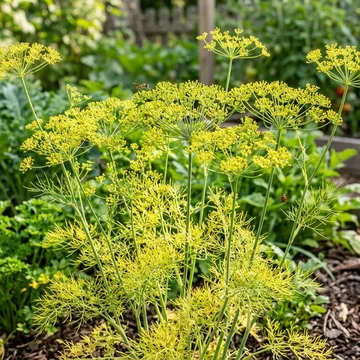
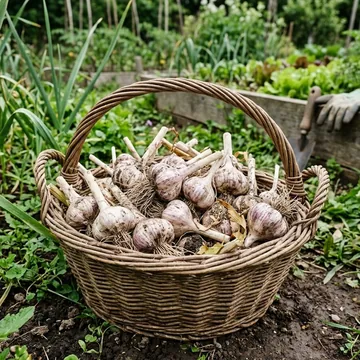
Good companions include onions, garlic, and dill. Avoid planting cabbage in the same spot where other brassicas grew the previous year, and keep it away from strawberries if possible.
Growing in containers
Grow one cabbage plant in a 5-gallon container with drainage holes. Use quality potting mix, place the pot in full sun, and check moisture often since containers dry out faster than garden beds.
Pro tips
Start indoors 6-8 weeks before last frost. Transplant early — cabbage handles frost. Net against cabbage moths. Harvest when heads feel solid and before they split.
Grow Cabbages this season
Get cabbage seeds and supplies matched to your climate.
Shop cabbage seeds →We may earn a commission when you buy through links on our site. Full disclosure.
Frequently asked questions
How long do Cabbages take to grow?
Cabbages take about 70–120 days, plus 6 weeks to start seeds indoors.
What zone does Cabbage grow in?
Cabbages grow in USDA Hardiness Zones 1a–9b.
Can you grow Cabbage in a container?
Yes — Cabbages grow well in containers. A 5-gallon pot or larger is ideal.
Is Cabbage hard to grow?
Difficulty: Intermediate. Cabbage is cold-hardy and productive — a staple of cool-climate gardens.
Is Cabbage safe for dogs and cats?
Cabbages are safe for both dogs and cats.
Grows well with
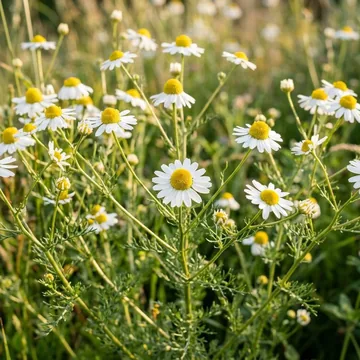
Companion plants that help cabbage — improving growth, repelling pests, or attracting pollinators.
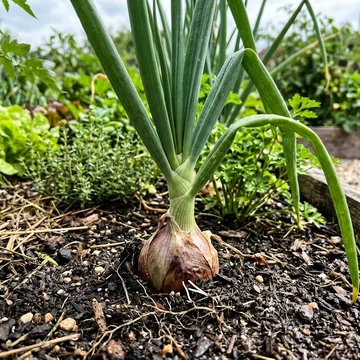
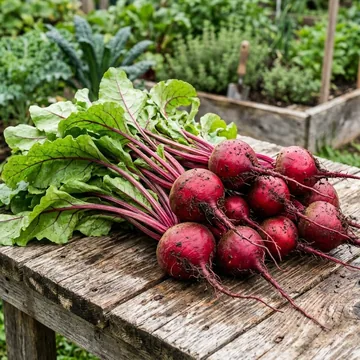
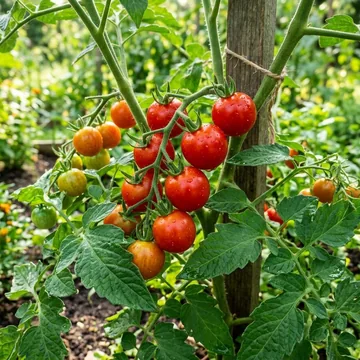
Keep away from: Tomato, Strawberry.
More plants to grow
Popular guides readers also check.
🌱 Get cabbage planting dates for your zone
Get your personalized "what to plant and when" calendar for your zone — plus tips when each crop is ready. Free, unsubscribe anytime.