How to Grow Celery
Zones 3a–9b · Advanced · 90–120 days
Container-friendlyBalcony/patioCelery is a long-season crop that demands rich, constantly moist soil and a long cool growing period — hard to grow perfectly, but worth it for the flavor.
Light
Water
Soil
Days to harvest
Start indoors
When to plant Celeries
Your exact dates depend on your last frost date. Enter your location to get your personalized planting calendar.
In general: start seeds indoors 10 weeks before your last frost, and expect harvest ~90–120 days later. See zone 3a →
Growing guide
Overview
Celery is a cool-season vegetable grown for its crisp, aromatic stalks, and it’s one of the most rewarding crops once you get it right. It’s an advanced crop because it needs a long, cool season and soil that never dries out. Give it rich, constantly moist soil and steady moisture, and you’ll get stalks far better than anything from the store.
Soil & planting prep
Celery wants loamy, well-drained soil that holds moisture, enriched with plenty of compost or aged manure. Aim for a pH around 6.0 to 7.0. Work the top 8 to 10 inches of soil until it’s loose, and set transplants 6 to 8 inches apart in rows 18 to 24 inches apart, planting them at the same depth they grew in their pots.
When to plant
Start celery indoors about 10 weeks before your last expected frost date. Transplant seedlings into the garden about 2 weeks before that last frost date, once nighttime temperatures stay above roughly 40°F. Celery is frost-tolerant, but young plants stalled by cold may bolt later, so don’t rush them into soil that’s still frozen.
How to plant
- Sow seeds indoors 10 weeks before last frost, barely covering them with soil — celery seed needs light to germinate.
- Keep the seed tray at 70–75°F and consistently moist; germination is slow and can take 2 to 3 weeks.
- Harden off seedlings over 7 to 10 days, gradually exposing them to outdoor sun and cooler air.
- Transplant into compost-enriched soil 2 weeks before last frost, setting plants 6 to 8 inches apart with the crown at soil level.
- Water immediately after planting and keep the soil evenly moist from that day forward — never let it dry out.
5 common mistakes to avoid
- Letting the soil dry out completely — celery has shallow roots and wilts fast, so check moisture daily and water before the top inch dries.
- Starting seeds too late — celery needs 90 to 120 days to mature, so if you sow in May for a summer harvest you’ll get thin, bitter stalks instead of full heads.
- Planting into hot weather — celery bolts and turns stringy when temperatures climb above 75°F, so time your crop to mature in cool spring or fall weather.
- Skipping the blanching step — unblanched stalks are darker and more bitter; hill soil around the base or wrap stalks 2 to 3 weeks before harvest for tender, pale stems.
- Crowding plants closer than 6 inches — tight spacing limits airflow and invites leaf blight, so thin or space transplants properly.
Harvesting & storage
Celery is ready 90 to 120 days from transplant, when stalks are firm and about 12 to 18 inches tall; harvest the whole head by cutting at soil level or pull outer stalks as needed. Store heads in a plastic bag in the refrigerator crisper for up to 2 weeks, or chop and freeze stalks for cooking.
Companion planting
Good companions for celery include leeks, onions, cabbage, and tomatoes, which can help repel pests. Avoid planting near carrots and parsley, as they share pests and can compete for the same nutrients.
Growing in containers
Celery grows well in containers — use at least a 5-gallon pot per plant with drainage holes and a rich, moisture-holding potting mix. Keep it on a balcony or patio with full sun to partial shade, and water daily in hot weather to prevent the soil from drying out.
Pro tips
Start indoors 10-12 weeks before last frost. Blanch stalks by hilling soil or wrapping 2-3 weeks before harvest. Keep soil consistently wet — celery hates drying out.
Grow Celeries this season
Get celery seeds and supplies matched to your climate.
Shop celery seeds →We may earn a commission when you buy through links on our site. Full disclosure.
Frequently asked questions
How long do Celeries take to grow?
Celeries take about 90–120 days, plus 10 weeks to start seeds indoors.
What zone does Celery grow in?
Celeries grow in USDA Hardiness Zones 3a–9b.
Can you grow Celery in a container?
Yes — Celeries grow well in containers. A 5-gallon pot or larger is ideal.
Is Celery hard to grow?
Difficulty: Advanced. Celery is a long-season crop that demands rich, constantly moist soil and a long cool growing period — hard to grow perfectly, but worth it for the flavor.
Is Celery safe for dogs and cats?
Celeries are safe for both dogs and cats.
Grows well with
Companion plants that help celery — improving growth, repelling pests, or attracting pollinators.
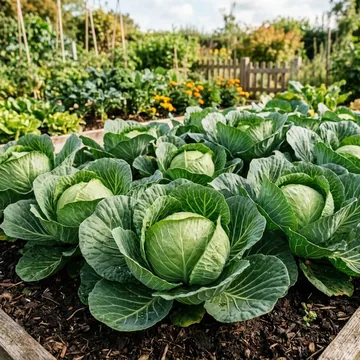
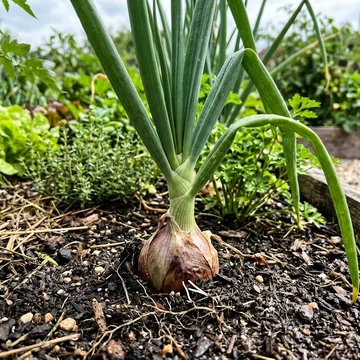
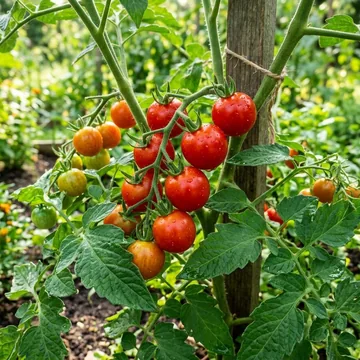
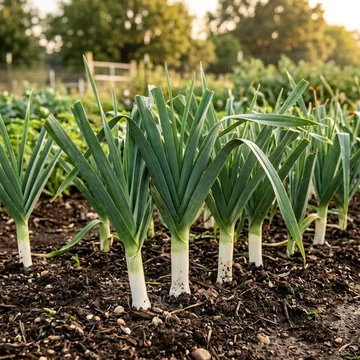
Keep away from: Parsnip.
More plants to grow
Popular guides readers also check.

🌱 Get celery planting dates for your zone
Get your personalized "what to plant and when" calendar for your zone — plus tips when each crop is ready. Free, unsubscribe anytime.