How to Grow Basil
Zones 4a–11b · Beginner · 30–60 days
Container-friendlyBalcony/patioIndoor-friendly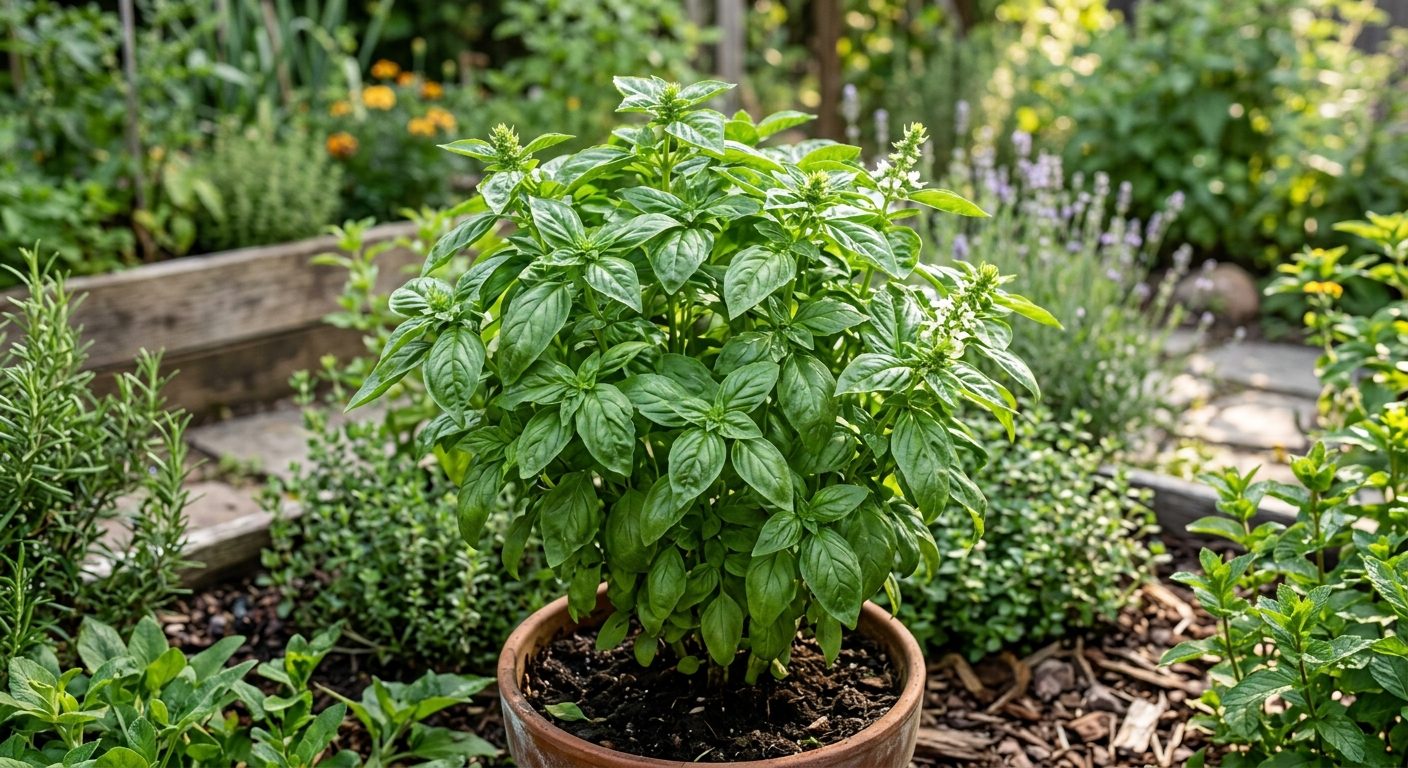
Basil is the quintessential summer herb — heat-loving fast-growing and endlessly productive when harvested regularly.
Light
Water
Soil
Days to harvest
Start indoors
When to plant Basils
Your exact dates depend on your last frost date. Enter your location to get your personalized planting calendar.
In general: start seeds indoors 4 weeks before your last frost, and expect harvest ~30–60 days later. See zone 4a →
Growing guide
Overview
Basil is a heat-loving, fast-growing herb grown as an annual in North American gardens. Growers love it for its aromatic leaves and steady harvests. It thrives in full sun, moderate water, and well-drained loamy or sandy soil.
Soil & planting prep
Basil does best in loose, well-drained loamy or sandy soil with a pH between 6.0 and 7.5. Space plants 8-12 inches apart, and sow seeds about 1/4 inch deep. Work in compost before planting, but avoid heavy, soggy soil.
When to plant
Basil is frost-tender and should not be fall-planted. Start seeds indoors 4 weeks before your average last frost date. Transplant outside only after the last frost, when nighttime temperatures stay above 50°F and the soil has warmed to at least 60°F.
How to plant
- Fill seed trays or small pots with seed-starting mix, and sow basil seeds 1/4 inch deep about 4 weeks before the last frost.
- Keep the seed-starting mix moist and warm, around 70-80°F, until seedlings emerge in about 5-10 days.
- Harden off seedlings gradually over 7-10 days once outdoor temperatures are warm.
- Transplant into a full-sun spot after the last frost, spacing plants 8-12 inches apart and planting them at the same depth they were in their pots.
- Water at the soil level after planting, and keep the soil lightly moist but not waterlogged.
5 common mistakes to avoid
- Setting basil out too early, while nights are still cool or before the last frost, can stop growth or kill plants; wait for nights above 50°F and soil at least 60°F.
- Watering basil overhead, especially in the evening, leaves the foliage wet and invites downy mildew; water at the base in the morning.
- Letting basil flower and set seed instead of pinching buds reduces leaf production and makes leaves bitter; pinch flower buds as soon as they appear.
- Planting basil in shade or in heavy, poorly drained soil leads to slow, weak, disease-prone plants; choose full sun and well-drained soil.
- Harvesting only the large lower leaves while letting the main stem grow tall and woody reduces branching and future harvests; cut stem tips just above a leaf pair.
Harvesting & storage
Basil is usually ready to harvest about 30-60 days after seeding, once stems are 6-8 inches tall. Harvest by pinching or snipping stems just above a set of leaves, taking no more than one-third of the plant at a time. Use fresh leaves in a glass of water, or store them by freezing or drying.
Companion planting
Basil grows well with tomatoes, peppers, and oregano, which share similar warmth and full-sun requirements. Many gardeners avoid planting it near rue, which may stunt basil.
Growing in containers
Basil is well suited to containers. Use a pot that holds at least 2 gallons with drainage holes, fill it with well-drained potting mix, and place it in full sun; container plants need more frequent watering than garden basil.
Pro tips
Start indoors 4-6 weeks before last frost. Pinch flower buds to keep the plant producing leaves. Never let it set seed. Water at the base — wet leaves cause disease. Loves heat.
Grow Basils this season
Get basil seeds and supplies matched to your climate.
Shop basil seeds →We may earn a commission when you buy through links on our site. Full disclosure.
Frequently asked questions
How long do Basils take to grow?
Basils take about 30–60 days, plus 4 weeks to start seeds indoors.
What zone does Basil grow in?
Basils grow in USDA Hardiness Zones 4a–11b.
Can you grow Basil in a container?
Yes — Basils grow well in containers. A 2-gallon pot or larger is ideal.
Is Basil hard to grow?
Difficulty: Beginner. Basil is the quintessential summer herb — heat-loving fast-growing and endlessly productive when harvested regularly.
Is Basil safe for dogs and cats?
Basils are safe for both dogs and cats.
Grows well with
Companion plants that help basil — improving growth, repelling pests, or attracting pollinators.
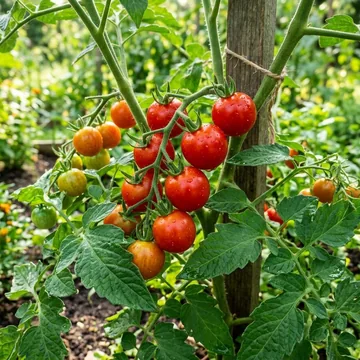
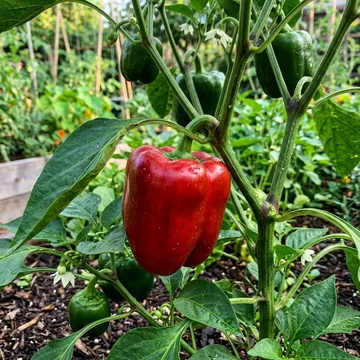
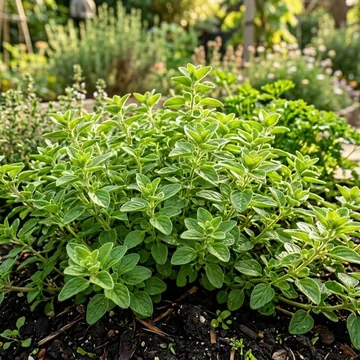
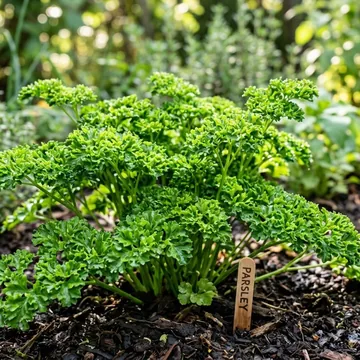
Keep away from: Sage.
More plants to grow
Popular guides readers also check.
🌱 Get basil planting dates for your zone
Get your personalized "what to plant and when" calendar for your zone — plus tips when each crop is ready. Free, unsubscribe anytime.