How to Grow Carrot
Zones 3a–9b · Intermediate · 70–80 days
Container-friendly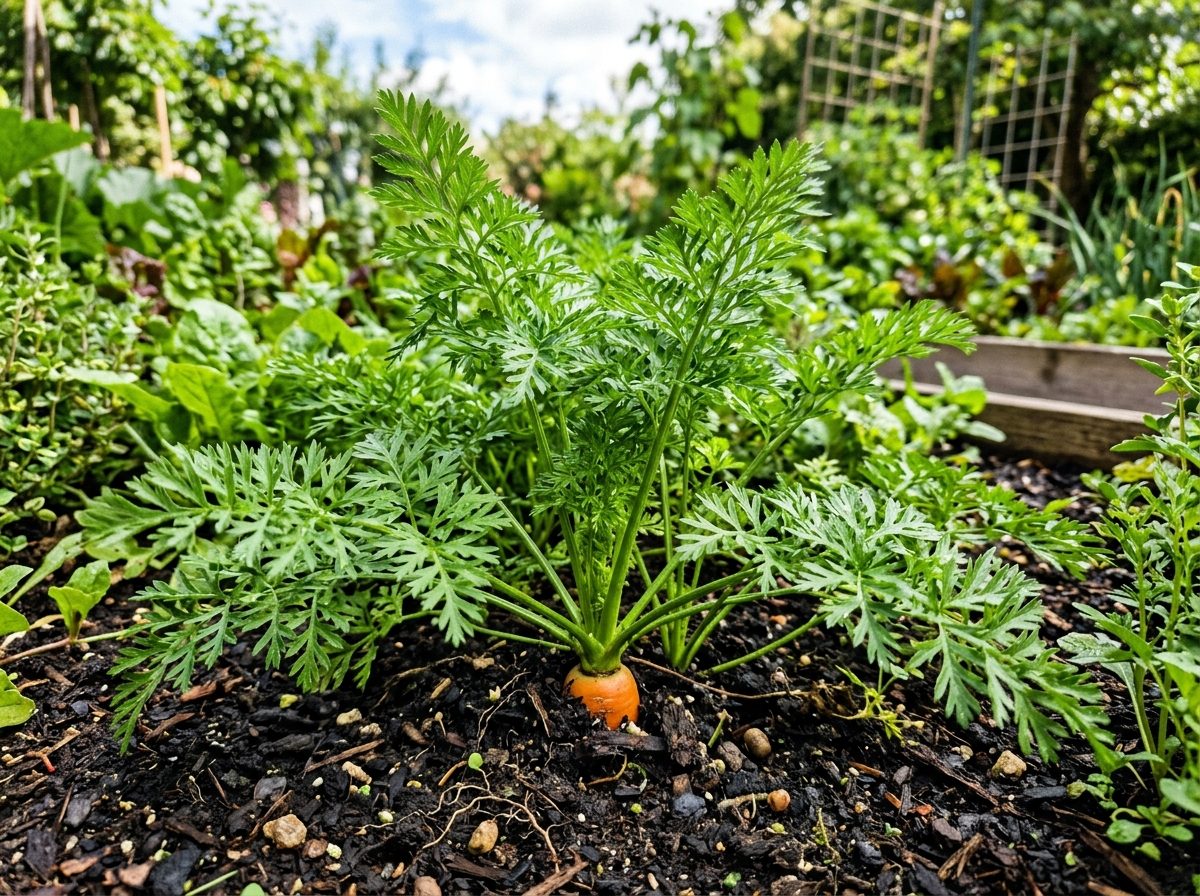
Carrots require loose deep stone-free soil to develop properly — worth the soil preparation.
Light
Water
Soil
Days to harvest
When to plant Carrots
Your exact dates depend on your last frost date. Enter your location to get your personalized planting calendar.
In general: direct-sow or transplant after your last frost, and expect harvest ~70–80 days later. See zone 3a →
Growing guide
Overview
Carrot is a cool-season root crop grown for its crisp, sweet taproot. Gardeners value it for fresh eating and storage, but it needs loose, deep, stone-free soil and even moisture to produce straight roots. It grows best in full sun and tolerates frost.
Soil & planting prep
Carrots need loose, deep, sandy or loamy soil with good drainage; heavy, rocky, or compacted soil causes forked roots. Aim for a pH of 6.0–6.8, and prepare the bed 10–12 inches deep, removing stones and clods. Sow seed 1/4 inch deep and thin seedlings to 2 inches apart in rows 12–18 inches apart.
When to plant
Direct sow carrot seeds outdoors 3–5 weeks before your last frost date, as soon as the soil can be worked. Carrot seedlings tolerate frost, but sow only when the soil is not cold and waterlogged. Make a second sowing 2–3 weeks later if you want a longer spring harvest.
How to plant
- Choose a full-sun bed and loosen the soil 10–12 inches deep; remove stones and break up clods.
- Do not start carrot seeds indoors. Sow seeds directly in the garden 1/4 inch deep, spacing them about 1 inch apart in rows 12–18 inches apart.
- Water gently and keep the seedbed evenly moist until seedlings emerge, usually in 14–21 days.
- When seedlings are 1–2 inches tall, thin them to 2 inches apart by snipping tops at soil level rather than pulling.
- Keep the bed weeded with shallow cultivation, and water consistently so soil stays evenly moist but not soggy.
5 common mistakes to avoid
- Starting seeds indoors and transplanting them; carrots dislike root disturbance, so transplanting leads to forked or stunted roots. Always direct sow carrot seed.
- Sowing into rocky or compacted soil; the taproot hits obstacles and forks or twists. Loosen the bed 10–12 inches deep and remove stones before planting.
- Skipping thinning; crowded carrot seedlings compete and produce small, skinny, or twisted roots. Thin to 2 inches apart once seedlings are 1–2 inches tall.
- Letting soil dry out and then flooding it; the boom-and-bust moisture causes carrot roots to crack. Water evenly through the season.
- Using fresh manure or high-nitrogen fertilizer; this encourages hairy, forked roots and leafy tops instead of good roots. Use aged compost and avoid over-fertilizing.
Harvesting & storage
Carrots are usually ready 70–80 days after sowing. Check for readiness when the root shoulder is about 1/2–1 inch across and the top color looks well developed. Loosen the soil with a garden fork and pull gently; remove the tops and store roots in a perforated bag in the refrigerator for several weeks.
Companion planting
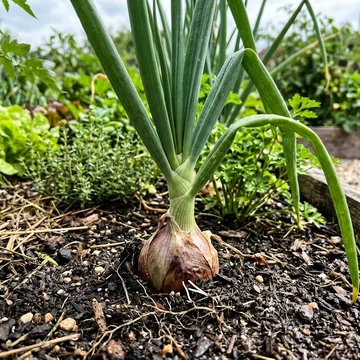
Good companions include onions, leeks, chives, and lettuce. Avoid planting carrots near dill and parsnips.
Growing in containers
Carrots can grow in a container if it holds at least 5 gallons and is at least 12 inches deep. Fill it with loose, sandy or loamy potting mix, direct sow, thin to 2 inches apart, and keep the mix evenly moist.
Pro tips
Sow seeds directly — carrots hate transplanting. Thin seedlings to 5cm apart for good root development. Deep loose soil is essential; rocky or compacted soil produces forked roots.
Grow Carrots this season
Get carrot seeds and supplies matched to your climate.
Shop carrot seeds →We may earn a commission when you buy through links on our site. Full disclosure.
Frequently asked questions
How long do Carrots take to grow?
Carrots take about 70–80 days.
What zone does Carrot grow in?
Carrots grow in USDA Hardiness Zones 3a–9b.
Can you grow Carrot in a container?
Yes — Carrots grow well in containers. A 5-gallon pot or larger is ideal.
Is Carrot hard to grow?
Difficulty: Intermediate. Carrots require loose deep stone-free soil to develop properly — worth the soil preparation.
Is Carrot safe for dogs and cats?
Carrots are safe for both dogs and cats.
Grows well with
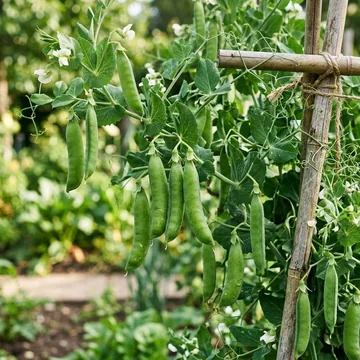
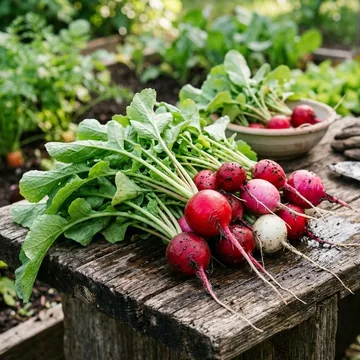
Companion plants that help carrot — improving growth, repelling pests, or attracting pollinators.
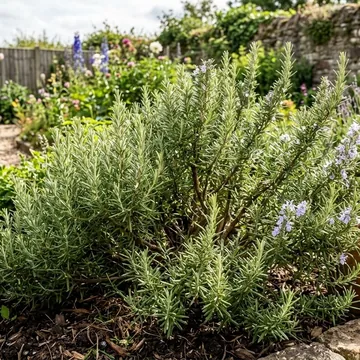
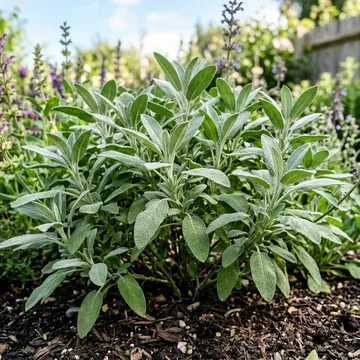
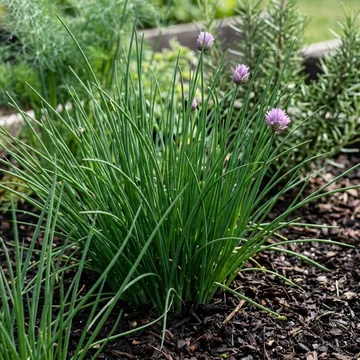
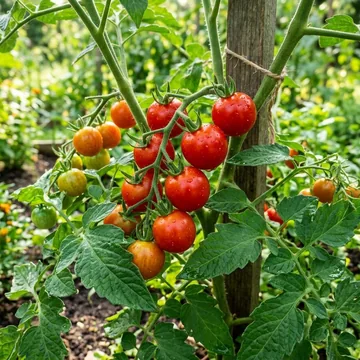
Keep away from: Dill, Florence Fennel, Parsnip.
More plants to grow
Popular guides readers also check.

🌱 Get carrot planting dates for your zone
Get your personalized "what to plant and when" calendar for your zone — plus tips when each crop is ready. Free, unsubscribe anytime.