How to Grow Peas
Zones 2a–9a · Beginner · 55–70 days
Container-friendlyBalcony/patioVertical garden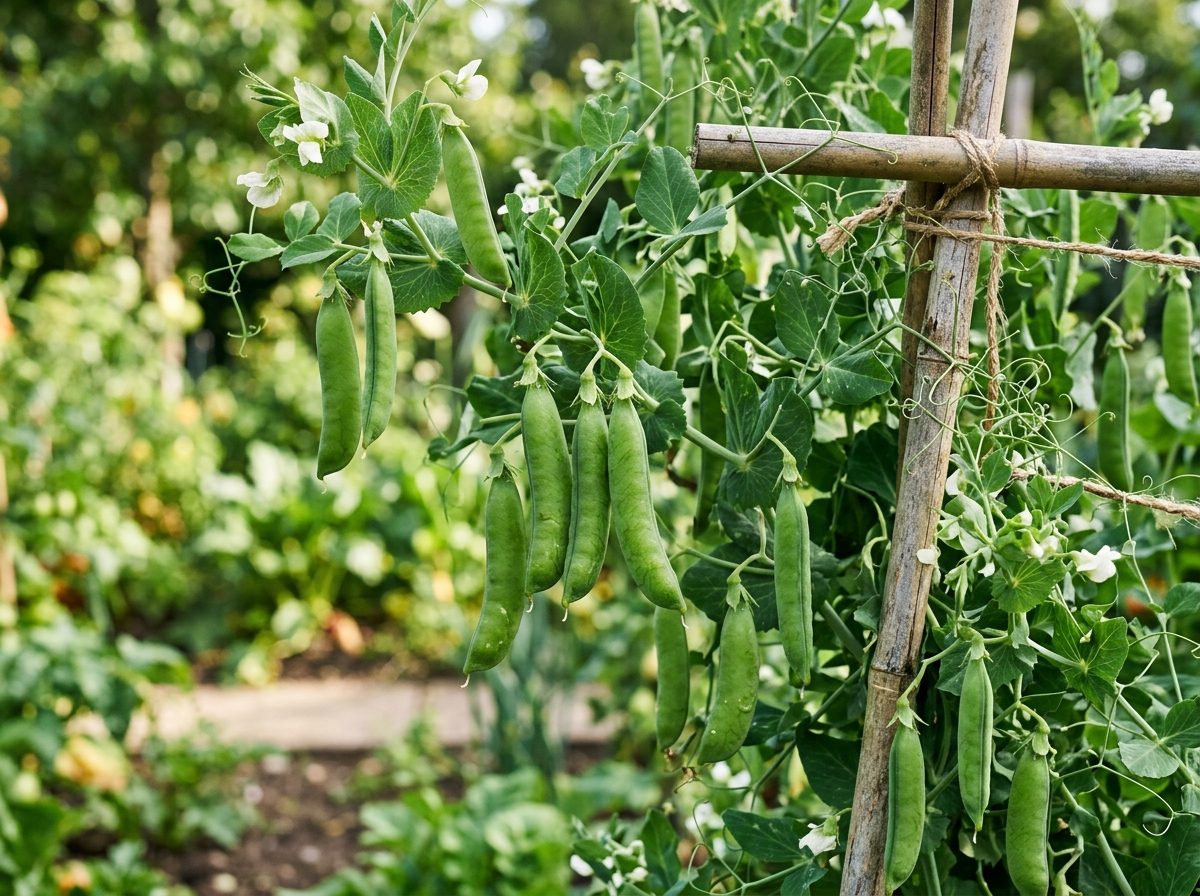
Peas are cool-season crops that prefer the shoulder seasons — they dislike both hard frost and summer heat.
Light
Water
Soil
Days to harvest
When to plant Peases
Your exact dates depend on your last frost date. Enter your location to get your personalized planting calendar.
In general: direct-sow or transplant after your last frost, and expect harvest ~55–70 days later. See zone 2a →
Growing guide
Overview
Peas are cool-season annual vegetables grown for crisp pods and sweet seeds. Gardeners love them because they are easy to grow, mature quickly, and add nitrogen to the soil. They thrive in full sun with moderate water, well-drained loamy or sandy soil, and a trellis to climb.
Soil & planting prep
Peas do best in well-drained loamy or sandy soil with a pH between 6.0 and 7.5. Work an inch or two of compost into the bed before planting, but avoid heavy manure or high-nitrogen fertilizer. Plant seeds about 1 inch deep and 2 inches apart in rows 18 to 24 inches apart; for climbing types, space double rows 3 to 6 inches apart on either side of a trellis.
When to plant
Direct-sow peas in early spring as soon as the soil can be worked, usually 4 to 6 weeks before your average last frost date; soil should be at least 40–45°F and not waterlogged. Peas tolerate light frost, so a cold snap after emergence is usually fine. For a fall crop, sow again in late summer about 8 to 10 weeks before your average first fall frost date.
How to plant
- Pick a full-sun spot and install a trellis, pea netting, or another support before planting so emerging vines have something to climb.
- Sow pea seeds directly in the garden about 1 inch deep and 2 inches apart; space rows 18 to 24 inches apart, or plant climbing peas in a double row 3 to 6 inches from a central trellis.
- Water the bed gently after sowing and keep soil evenly moist until seedlings emerge in 7 to 14 days.
- Once seedlings are a few inches tall, spread a light mulch around them to cool the soil and retain moisture.
- Guide young tendrils onto the support if needed, and weed by hand around the shallow-rooted plants.
5 common mistakes to avoid
- Sowing too late into warming weather means vines shut down when summer heat arrives; plant peas 4 to 6 weeks before your average last frost date.
- Skipping a trellis lets vining peas sprawl on the ground, where they tangle, rot, and produce poorly; install support at planting time.
- Feeding peas with high-nitrogen fertilizer produces leafy vines but few pods because peas fix their own nitrogen; use compost or a low-nitrogen fertilizer instead.
- Letting soil dry out during flowering and pod fill causes poor pod set and small, starchy peas; keep plants evenly moist from bloom through harvest.
- Waiting too long to harvest makes pods tough and starchy and signals the plant to stop producing; pick every day or two once pods fill out.
- Planting peas next to onions or garlic can inhibit their growth, so keep alliums away from the pea bed.
Harvesting & storage
Harvest peas when pods are bright green and plump, but before the seeds turn hard and starchy; snow and snap peas are ready when pods are still tender and crisp. Pick with one hand holding the vine to avoid yanking the plant, and harvest every day or two to keep plants producing. Refrigerate unwashed pods in a loose bag and use within about 5 days, or shell, blanch, and freeze for longer storage.
Companion planting
Good companions include carrots, radishes, lettuce, spinach, and turnips. Avoid planting peas directly next to onions, garlic, or shallots, which can inhibit their growth.
Growing in containers
Peas are container-friendly; use a pot that holds at least 5 gallons of potting mix and is at least 10 to 12 inches deep. Choose a dwarf or bush variety, and add a small trellis or tomato cage at planting time for support.
Pro tips
Sow directly as soon as soil can be worked in spring — peas tolerate frost. Provide a trellis. Harvest frequently to encourage production. Sow again in late summer for a fall crop.
Grow Peases this season
Get peas seeds and supplies matched to your climate.
Shop peas seeds →We may earn a commission when you buy through links on our site. Full disclosure.
Frequently asked questions
How long do Peases take to grow?
Peases take about 55–70 days.
What zone does Peas grow in?
Peases grow in USDA Hardiness Zones 2a–9a.
Can you grow Peas in a container?
Yes — Peases grow well in containers. A 5-gallon pot or larger is ideal.
Is Peas hard to grow?
Difficulty: Beginner. Peas are cool-season crops that prefer the shoulder seasons — they dislike both hard frost and summer heat.
Is Peas safe for dogs and cats?
Peases are safe for both dogs and cats.
Grows well with
Companion plants that help peas — improving growth, repelling pests, or attracting pollinators.
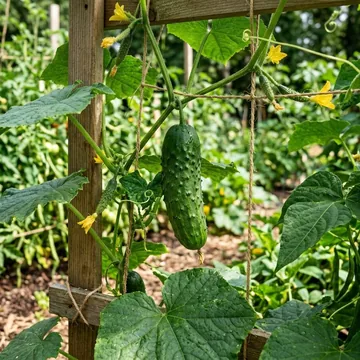
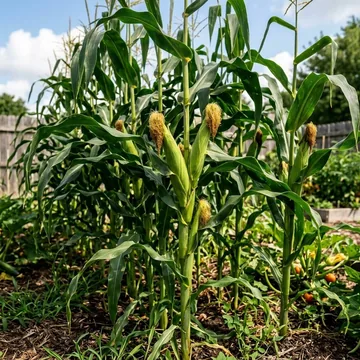
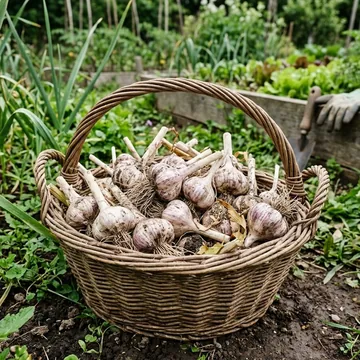
Keep away from: Onion, Garlic, Chives.
More plants to grow
Popular guides readers also check.
🌱 Get peas planting dates for your zone
Get your personalized "what to plant and when" calendar for your zone — plus tips when each crop is ready. Free, unsubscribe anytime.