How to Grow Turnip
Zones 2a–9b · Beginner · 45–60 days
Container-friendlyBalcony/patio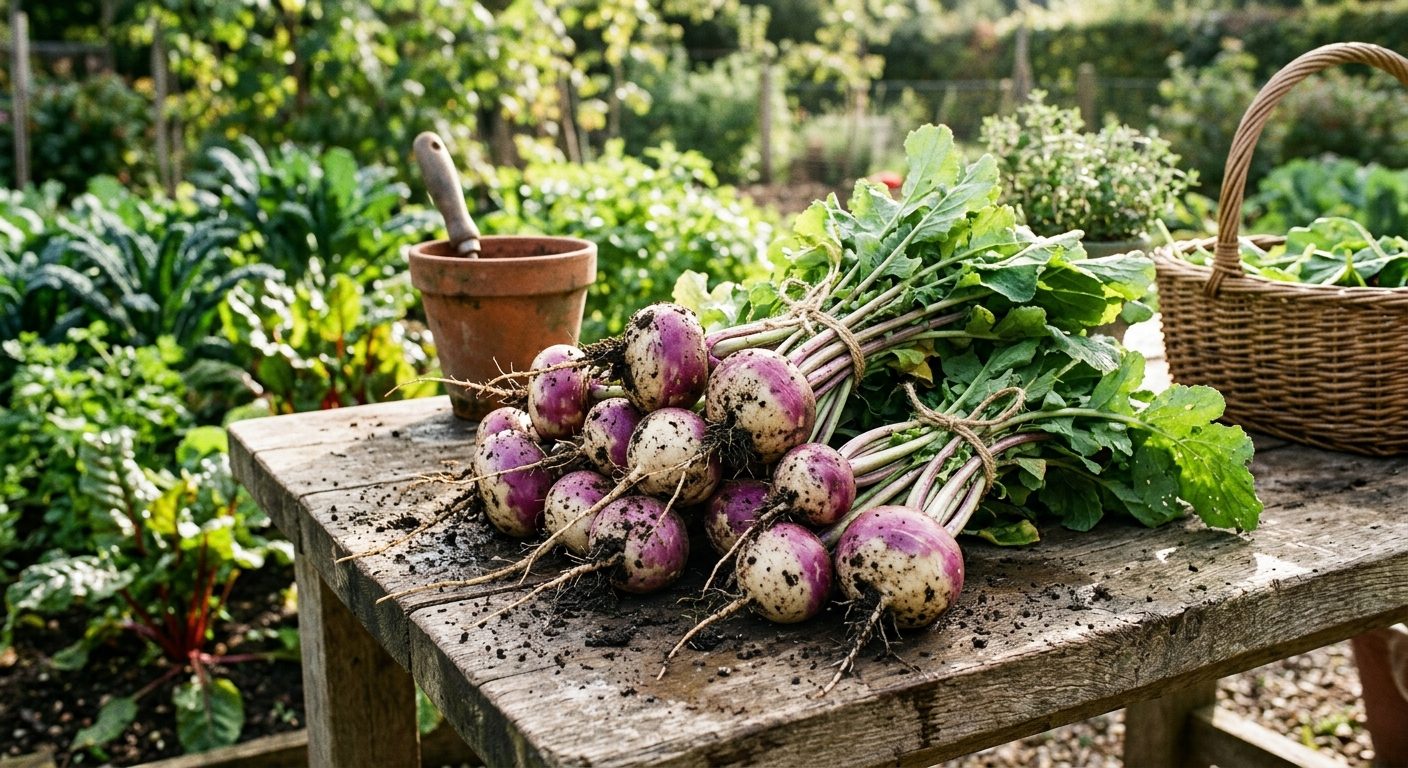
Turnips are one of the most cold-hardy root vegetables — they actually improve in flavor after light frosts. Fast-maturing and dual-purpose: eat the roots and the greens.
Light
Water
Soil
Days to harvest
When to plant Turnips
Your exact dates depend on your last frost date. Enter your location to get your personalized planting calendar.
In general: direct-sow or transplant after your last frost, and expect harvest ~45–60 days later. See zone 2a →
Growing guide
Overview
Turnip is a fast, cold-hardy root vegetable grown for both its sweet roots and edible greens. It thrives in cool weather and improves in flavor after a light frost, making it a reliable beginner crop for spring or fall gardens. Give it loose, well-drained soil and steady moisture for the best 45- to 60-day harvest.
Soil & planting prep
Grow turnips in loose, loamy or sandy, well-drained soil with a pH around 6.0-7.0. Work in 1-2 inches of compost and remove stones or clods so roots can expand. Space rows about 12-18 inches apart, and sow seeds only 1/4-1/2 inch deep.
When to plant
Direct sow turnip seeds outdoors 4-6 weeks before your average last spring frost date. For a fall crop, sow about 8 weeks before your first expected fall frost; light frosts improve root sweetness. Turnips are frost-tolerant and do best when they mature in cool weather.
How to plant
- Choose a site in full sun to partial shade and loosen the soil 8-12 inches deep, removing rocks and clods.
- Mix in 1-2 inches of compost before planting to improve drainage and fertility.
- Sow seeds 1/4-1/2 inch deep and about 1 inch apart in rows spaced 12-18 inches apart.
- Keep the seedbed evenly moist until seedlings emerge, usually in 5-10 days.
- Thin seedlings to 4-6 inches apart once they have true leaves; eat the thinnings as baby greens.
5 common mistakes to avoid
- Harvesting roots too late — turnips left past 2-3 inches become woody, pithy, and strong-flavored; pull them young for the best taste.
- Skipping thinning — crowded seedlings compete for space and form tiny or misshapen roots; thin to 4-6 inches apart.
- Letting the bed dry out while roots are sizing up — drought stress makes turnips tough, hot, or split, so water evenly through the short season.
- Planting in compacted or rocky soil — roots fork or stay small; loosen the soil deeply before sowing and remove stones.
- Sowing too late in spring — roots that mature in summer heat often turn bitter and may bolt; sow early or wait for a fall crop in warm areas.
Harvesting & storage
Harvest turnip roots when they are about 2-3 inches in diameter, typically 45-60 days after sowing. Gently loosen the soil with a fork and pull the root, then cut off the tops before storage. Store roots in a plastic bag in the refrigerator for a few weeks or in a cool, humid root cellar for longer storage.
Companion planting
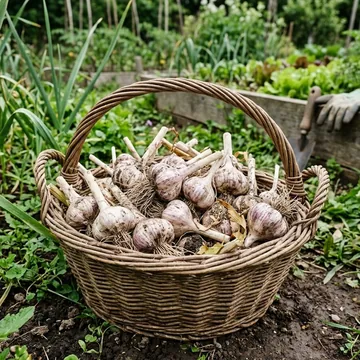
Plant turnips with peas, beans, onions, or garlic. Avoid following other brassicas such as cabbage, broccoli, or kale in the same bed to reduce shared root maggot and flea beetle pressure.
Growing in containers
Turnips grow well in a 5-gallon container or larger. Fill it with loose potting mix, sow seeds 1/4-1/2 inch deep, thin to 4-6 inches apart, and place the pot in full sun to partial shade with steady moisture.
Pro tips
Direct sow 4-6 weeks before last frost or in fall 8 weeks before first frost. Thin to 4-6 inches. Harvest roots at 2-3 inches for best flavor — larger roots turn woody. Frost sweetens them.
Grow Turnips this season
Get turnip seeds and supplies matched to your climate.
Shop turnip seeds →We may earn a commission when you buy through links on our site. Full disclosure.
Frequently asked questions
How long do Turnips take to grow?
Turnips take about 45–60 days.
What zone does Turnip grow in?
Turnips grow in USDA Hardiness Zones 2a–9b.
Can you grow Turnip in a container?
Yes — Turnips grow well in containers. A 5-gallon pot or larger is ideal.
Is Turnip hard to grow?
Difficulty: Beginner. Turnips are one of the most cold-hardy root vegetables — they actually improve in flavor after light frosts. Fast-maturing and dual-purpose: eat the roots and the greens.
Is Turnip safe for dogs and cats?
Turnips are safe for both dogs and cats.
Grows well with
Companion plants that help turnip — improving growth, repelling pests, or attracting pollinators.
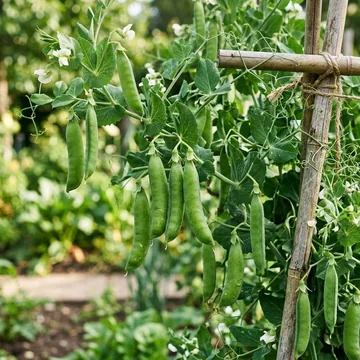
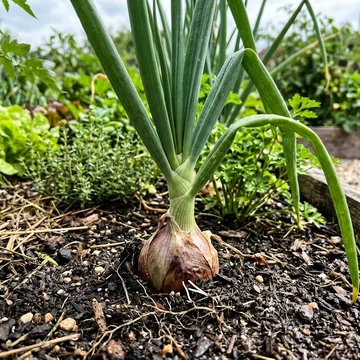
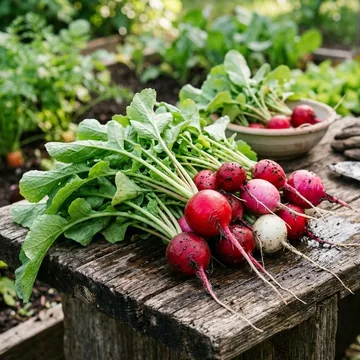
Keep away from: Potato.
More plants to grow
Popular guides readers also check.
🌱 Get turnip planting dates for your zone
Get your personalized "what to plant and when" calendar for your zone — plus tips when each crop is ready. Free, unsubscribe anytime.