How to Grow Corn
Zones 3b–11b · Intermediate · 60–90 days
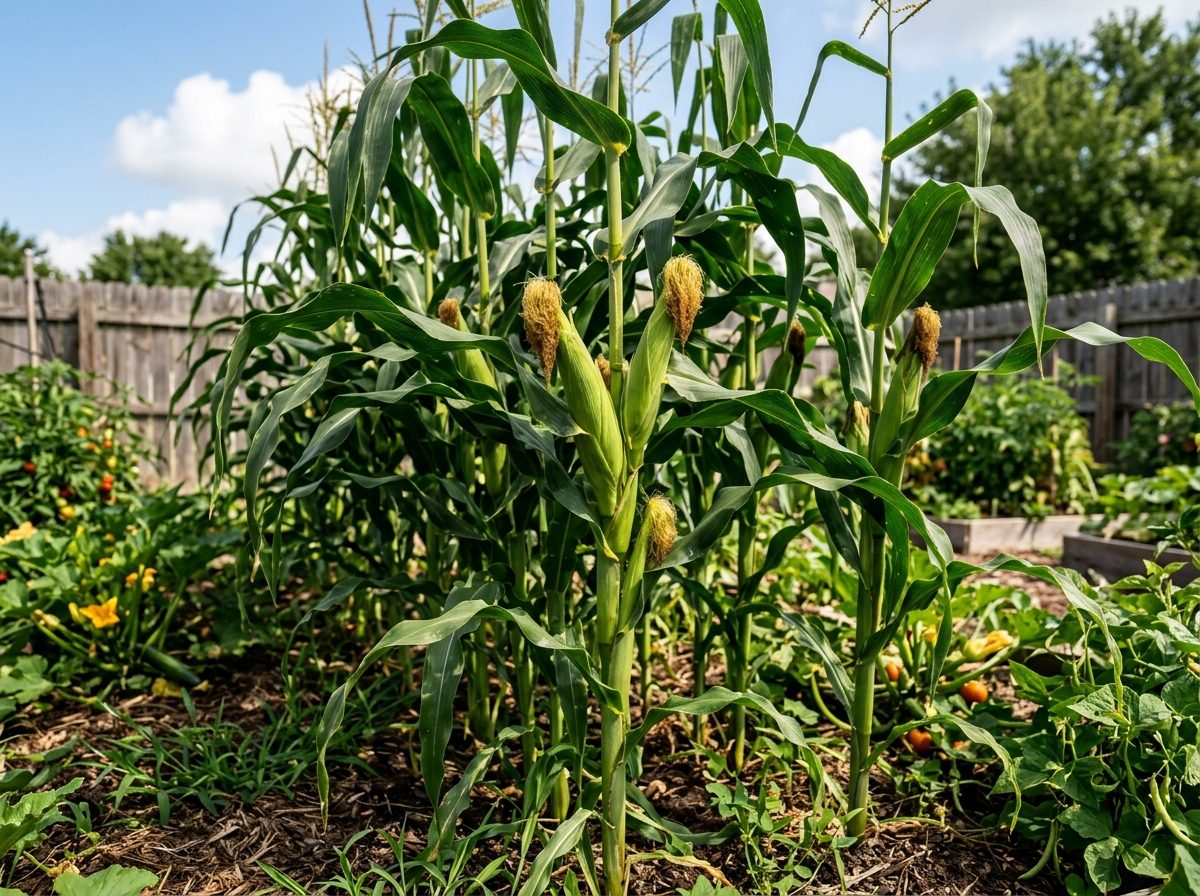
Corn needs space warmth and wind-pollination — plant in blocks not rows for good pollination.
Light
Water
Soil
Days to harvest
When to plant Corn
Your exact dates depend on your last frost date. Enter your location to get your personalized planting calendar.
In general: direct-sow or transplant after your last frost, and expect harvest ~60–90 days later. See zone 3b →
Growing guide
Overview
Corn is a warm-season annual grass grown for sweet ears that are best eaten right after picking. Home growers love it for its fast growth and garden-fresh sweetness. It needs full sun, rich well-drained soil, consistent moisture, and block planting so wind can pollinate the silks.
Soil & planting prep
Plant corn in loamy, well-drained soil enriched with compost or aged manure; it grows best in a slightly acidic to neutral pH of about 5.8-7.0. Sow seeds 1-2 inches deep and 8-12 inches apart, leaving 30-36 inches between rows if you use rows.
When to plant
Direct sow corn only after your last frost date has passed and soil has warmed to at least 16°C (60°F). Corn is frost-tender and is not a fall-planted crop, and it transplants poorly, so it is direct-sowed in place.
How to plant
- Choose a full-sun site and work 1-2 inches of compost or aged manure into loamy, well-drained soil.
- Wait until after the last frost date and soil temperature reaches at least 16°C (60°F).
- Sow seeds 1-2 inches deep and 8-12 inches apart in a block of at least four short rows rather than one long row.
- Water the bed deeply after planting and keep soil evenly moist, especially as seedlings establish.
- Side-dress with a nitrogen-rich fertilizer when plants are 12-18 inches tall.
5 common mistakes to avoid
- Planting in a single long row instead of a block leads to poor pollination and ears with missing kernels because corn is wind-pollinated; plant at least four short rows of four or more plants.
- Direct sowing before soil reaches 16°C (60°F) invites seed rot and weak germination; wait until after the last frost date and until soil has warmed.
- Letting soil dry out during tasselling and silking causes poor kernel fill and stubby ears; give corn deep, consistent water especially from tassel emergence through ear fill.
- Growing a supersweet variety too close to another corn type can produce tough or starchy kernels from cross-pollination; isolate sweet types by distance or stagger maturity.
- Leaving sweet corn on the stalk too long after silks brown turns sugars to starch; harvest when a pressed kernel releases milky liquid.
Harvesting & storage
Corn is ready about 18-24 days after silks appear, when the silks are brown and dry. Peel back a small husk section and press a kernel; it should release a milky liquid. Harvest by twisting the ear downward, then eat or refrigerate immediately before sugars turn to starch.
Companion planting
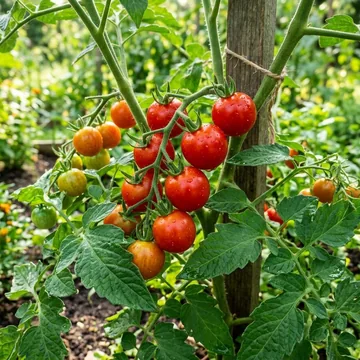
Beans and squash are classic companions: pole beans can use the stalks for support, and squash shades the soil. Avoid planting corn near tomatoes, which share the corn earworm/tomato fruitworm pest.
Growing in containers
Corn is not container-friendly; it needs a block of plants for wind pollination and strong root anchorage. Grow it in the ground rather than in pots or balcony containers.
Pro tips
Direct sow after soil reaches 16°C. Plant in a 4x4 block minimum for wind pollination. Needs consistent water especially during tasselling. Not suitable for containers.
Grow Corn this season
Get corn seeds and supplies matched to your climate.
Shop corn seeds →We may earn a commission when you buy through links on our site. Full disclosure.
Frequently asked questions
How long do Corn take to grow?
Corn take about 60–90 days.
What zone does Corn grow in?
Corn grow in USDA Hardiness Zones 3b–11b.
Can you grow Corn in a container?
Corn are usually grown in the ground or a large raised bed rather than a container.
Is Corn hard to grow?
Difficulty: Intermediate. Corn needs space warmth and wind-pollination — plant in blocks not rows for good pollination.
Is Corn safe for dogs and cats?
Corn are safe for both dogs and cats.
Grows well with
Companion plants that help corn — improving growth, repelling pests, or attracting pollinators.
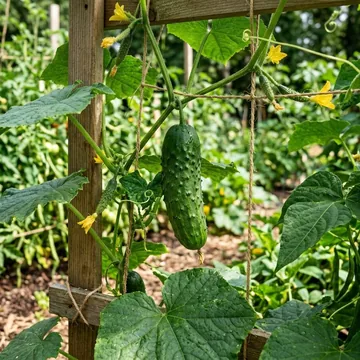
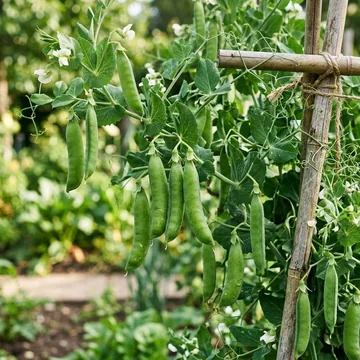
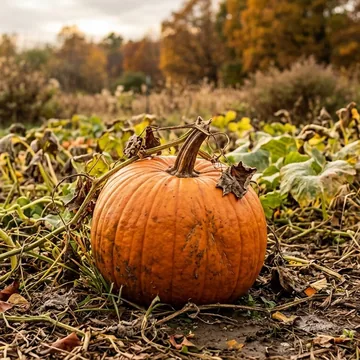
Keep away from: Tomato, Celery.
More plants to grow
Popular guides readers also check.
🌱 Get corn planting dates for your zone
Get your personalized "what to plant and when" calendar for your zone — plus tips when each crop is ready. Free, unsubscribe anytime.