How to Grow Thyme
Zones 4a–9b · Beginner · Perennial
Container-friendlyBalcony/patioIndoor-friendlyPerennialDeer-resistant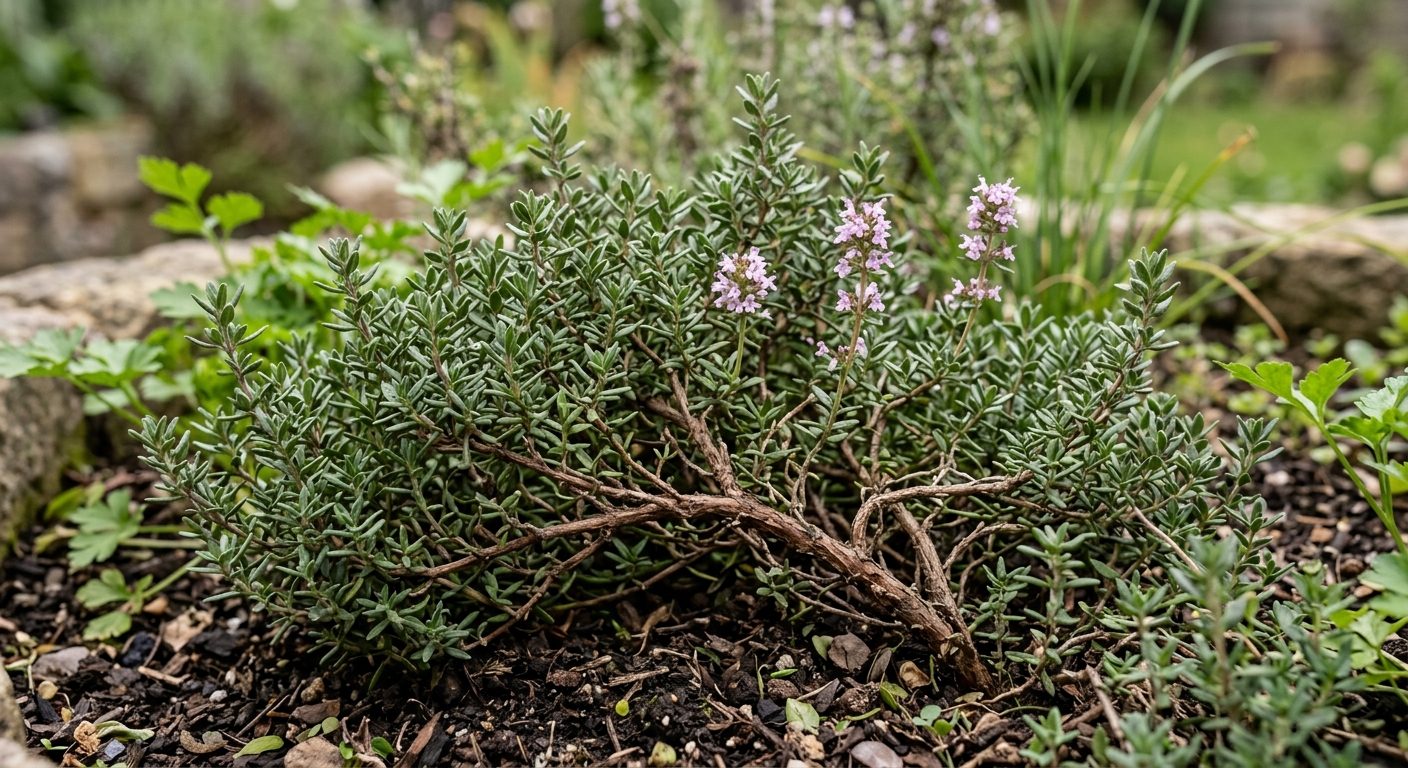
Thyme is a drought-tolerant cold-hardy herb that thrives in poor soil and full sun.
Light
Water
Soil
Days to harvest
When to plant Thyme
Your exact dates depend on your last frost date. Enter your location to get your personalized planting calendar.
In general: direct-sow or transplant after your last frost, and expect harvest starting the following season. See zone 4a →
Growing guide
Overview
Thyme is a low-growing, woody perennial herb grown for its tiny, aromatic leaves. Gardeners love it because it tolerates drought, poor soil, and cold winters, and it comes back year after year in zones 4a–9b. Give it full sun and sharp drainage, and it will thrive with almost no care.
Soil & planting prep
Thyme needs sandy or loamy, well-drained soil; heavy clay holds water and rots the roots. Aim for a slightly acidic to neutral pH around 6.0–8.0. Space plants 8–12 inches apart, setting them at the same depth they grew in the nursery pot.
When to plant
Plant thyme outdoors in spring, about 2–3 weeks after your last frost date, once the soil has warmed. You can also plant it in late summer or early fall, at least 4 weeks before your first fall frost, so roots establish before cold. Thyme is frost-tolerant and perennial in zones 4a–9b, so no indoor seed-starting is required.
How to plant
- Choose a spot in full sun with sandy or loamy soil that drains within a few hours after rain.
- If your soil is heavy clay, amend it with coarse sand or fine gravel to improve drainage.
- Dig a hole twice as wide as the root ball but no deeper than the pot.
- Set the plant in the hole so the top of the root ball sits level with the soil surface, then backfill gently.
- Water lightly and space additional plants 8–12 inches apart.
5 common mistakes to avoid
- Planting thyme in rich, compost-heavy soil or heavy clay causes lush, weak growth and root rot; it actually prefers poor, gritty soil.
- Overwatering or planting in a spot that stays wet is the most common killer—thyme is drought-tolerant and rots quickly when its roots sit in moisture.
- Skipping pruning after flowering lets stems turn woody and the plant becomes leggy and sparse; shear it back by about one-third after blooms fade.
- Growing thyme in too much shade makes it spindly and weak-flavored; full sun is essential for strong oils and compact growth.
- Harvesting only the tough, woody stems instead of the tender new growth gives you stringy, less flavorful leaves; always snip the soft tips.
Harvesting & storage
Begin harvesting once the plant is 6–8 inches tall, snipping the tender top growth with scissors. For the best flavor, cut stems just as flower buds open, and never remove more than one-third of the plant at a time. Use thyme fresh, or dry whole stems in a cool, dark place and store the crumbled leaves in an airtight jar.
Companion planting
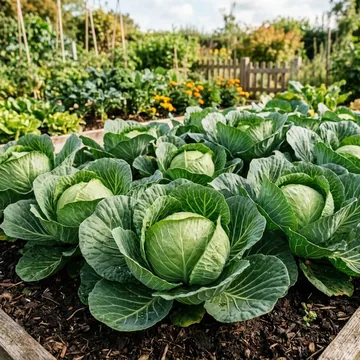
Thyme grows well with rosemary, sage, lavender, and cabbage-family crops because it repels cabbage worms. Avoid planting it near moisture-loving herbs like mint or cilantro that need constantly wet soil.
Growing in containers
Thyme is excellent in containers—use a pot at least 2 gallons with drainage holes and a sandy, gritty mix. Let the soil dry out between waterings and place the pot in full sun.
Pro tips
Plant in well-drained soil — thyme rots in wet conditions. Prune after flowering to keep compact. Excellent for containers and rock gardens. Cut stems for drying just as flowers open.
Grow Thyme this season
Get thyme seeds and supplies matched to your climate.
Shop thyme seeds →We may earn a commission when you buy through links on our site. Full disclosure.
Frequently asked questions
How long do Thyme take to grow?
Thyme take about Perennial.
What zone does Thyme grow in?
Thyme grow in USDA Hardiness Zones 4a–9b.
Can you grow Thyme in a container?
Yes — Thyme grow well in containers. A 2-gallon pot or larger is ideal.
Is Thyme hard to grow?
Difficulty: Beginner. Thyme is a drought-tolerant cold-hardy herb that thrives in poor soil and full sun.
Is Thyme safe for dogs and cats?
Thyme are safe for both dogs and cats.
Grows well with
Companion plants that help thyme — improving growth, repelling pests, or attracting pollinators.

More plants to grow
Popular guides readers also check.
🌱 Get thyme planting dates for your zone
Get your personalized "what to plant and when" calendar for your zone — plus tips when each crop is ready. Free, unsubscribe anytime.