How to Grow Eggplant
Zones 5a–11b · Intermediate · 65–80 days
Container-friendlyBalcony/patioIndoor-friendly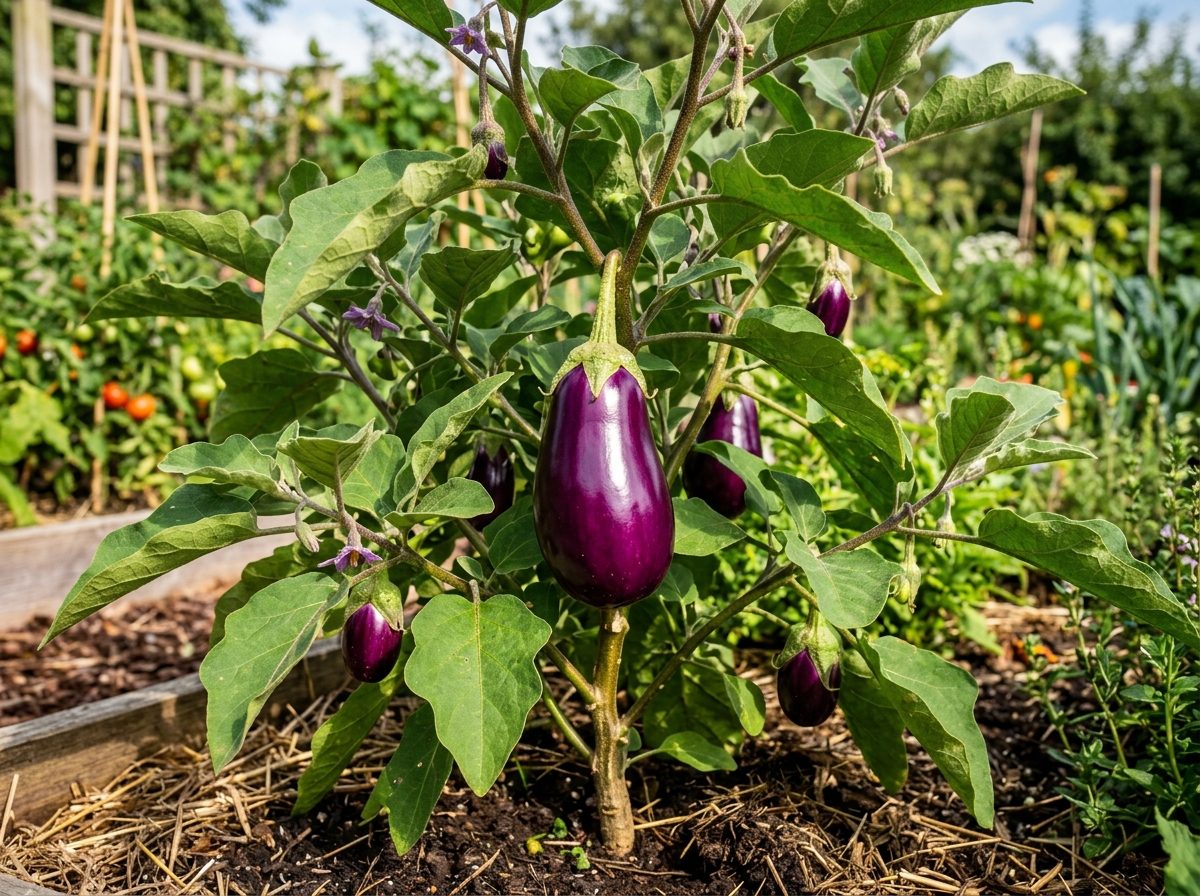
Eggplant needs a long warm season and maximum heat — more demanding than tomatoes but highly productive in the right conditions.
Light
Water
Soil
Days to harvest
Start indoors
When to plant Eggplants
Your exact dates depend on your last frost date. Enter your location to get your personalized planting calendar.
In general: start seeds indoors 8 weeks before your last frost, and expect harvest ~65–80 days later. See zone 5a →
Growing guide
Overview
Eggplant is a heat-loving nightshade grown as an annual in zones 5a–11b. Gardeners prize it for its glossy, versatile fruit, but it needs full sun, steady moisture, and a long warm season. It produces in about 65–80 days after transplanting.
Soil & planting prep
Give eggplant loamy, sandy, well-drained soil with generous compost worked in before planting. A pH of 5.5–6.8 is ideal. Space transplants 18–24 inches apart at the same depth they were growing in their containers.
When to plant
Start seeds indoors 8 weeks before your last spring frost. Transplant outside only after danger of frost has passed and nights stay above 55°F—usually 2–3 weeks after the last frost date—because eggplant is not frost tolerant and needs warm soil. It is not a fall-planted crop in most of the U.S. and Canada.
How to plant
- Start seeds indoors 8 weeks before your last frost date; sow 1/4 inch deep in seed-starting mix and keep the mix warm and moist.
- Harden off seedlings for 7–10 days outdoors after the last frost, gradually increasing sun and wind exposure.
- Prepare a full-sun location with compost-amended, well-drained loamy or sandy soil.
- Transplant seedlings 18–24 inches apart, setting each at the same depth it was in its pot; firm soil and water in.
- Apply black plastic mulch to warm the soil and stake or cage plants early, then water deeply to keep the root zone evenly moist.
5 common mistakes to avoid
- Setting out transplants before the soil and nights have warmed is the classic eggplant failure; plants grow slowly and may drop flowers when night temperatures stay below 55°F, so wait until 2–3 weeks after your last frost and use black plastic to hold heat.
- Letting the root zone dry out between deep waterings stresses eggplant, leading to flower drop, tough skin, and small bitter fruit; keep soil evenly moist with a layer of mulch.
- Feeding with a high-nitrogen fertilizer pushes leaves at the expense of fruit; eggplants need a balanced or lower-nitrogen feed once fruit begins to set.
- Ignoring flea beetles can defoliate and stunt young plants; use floating row covers at transplant time or monitor closely and manage small holes early before damage spreads.
- Waiting until the skin turns dull or seeds brown before picking leads to bitter, spongy fruit; harvest when glossy and firm and cut often to keep plants producing.
Harvesting & storage
Eggplant is ready when the skin is glossy and firm, and the fruit has reached mature size. Cut fruit with pruning shears, leaving a short cap of stem. Use fresh within a few days, or store in a cool place—not below about 50°F—for a short period.
Companion planting
Good companions include bush beans, marigolds, and herbs such as thyme or oregano. Avoid planting near fennel, which can inhibit growth.
Growing in containers
Grow one eggplant per 5-gallon container in quality potting mix; place it in full sun and expect to water more often than garden beds, since containers dry out faster and eggplant needs steady moisture.
Pro tips
Start indoors 8 weeks before last frost — eggplant needs a long head start. Needs hot conditions to set fruit. Use black plastic mulch to warm soil. Very productive once established in heat.
Grow Eggplants this season
Get eggplant seeds and supplies matched to your climate.
Shop eggplant seeds →We may earn a commission when you buy through links on our site. Full disclosure.
Frequently asked questions
How long do Eggplants take to grow?
Eggplants take about 65–80 days, plus 8 weeks to start seeds indoors.
What zone does Eggplant grow in?
Eggplants grow in USDA Hardiness Zones 5a–11b.
Can you grow Eggplant in a container?
Yes — Eggplants grow well in containers. A 5-gallon pot or larger is ideal.
Is Eggplant hard to grow?
Difficulty: Intermediate. Eggplant needs a long warm season and maximum heat — more demanding than tomatoes but highly productive in the right conditions.
Is Eggplant safe for dogs and cats?
Eggplants are safe for both dogs and cats.
Grows well with
Companion plants that help eggplant — improving growth, repelling pests, or attracting pollinators.
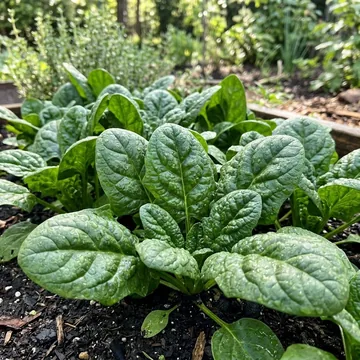
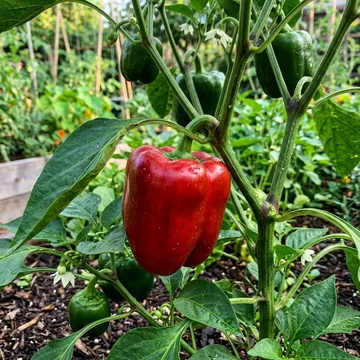
Keep away from: Florence Fennel.
More plants to grow
Popular guides readers also check.

🌱 Get eggplant planting dates for your zone
Get your personalized "what to plant and when" calendar for your zone — plus tips when each crop is ready. Free, unsubscribe anytime.