How to Grow Avocado
Zones 9b–11b · Advanced · Perennial
Container-friendlyBalcony/patioIndoor-friendlyPerennial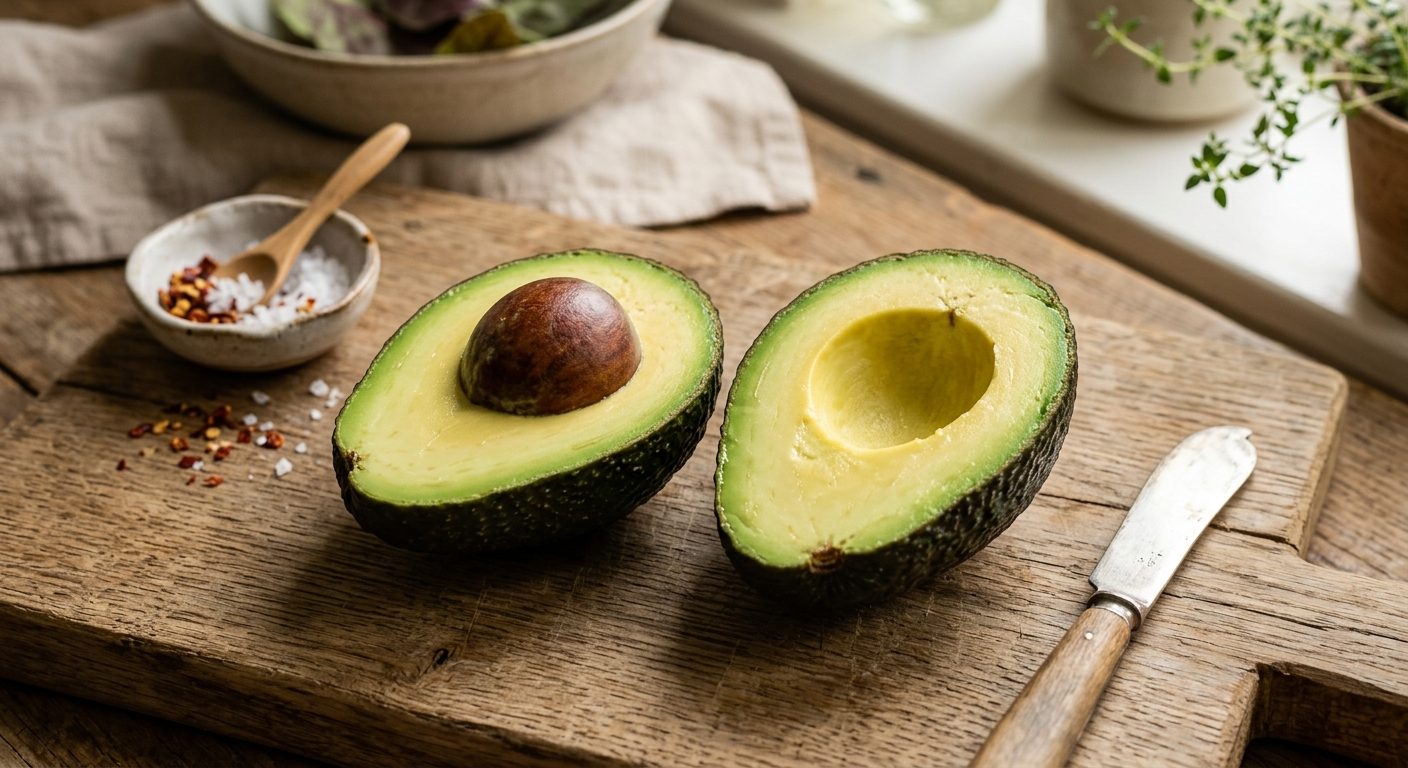
Avocados need frost-free conditions year-round and take 3-5 years to bear fruit from seed.
Light
Water
Soil
Days to harvest
When to plant Avocados
Your exact dates depend on your last frost date. Enter your location to get your personalized planting calendar.
In general: direct-sow or transplant after your last frost, and expect harvest starting the following season. See zone 9b →
Growing guide
Overview
Avocado is an evergreen subtropical tree grown for its rich, buttery fruit, and it’s one of the few fruit trees you can keep in a large pot on a patio. Gardeners love it for the payoff of homegrown fruit and the glossy foliage, but it’s demanding: it needs full sun, frost-free conditions, and consistent moisture. Hardy only in Zones 9b-11b, it’s slow to bear and requires patience — 3 to 5 years from a grafted tree.
Soil & planting prep
Avocados demand fast-draining soil; they rot quickly in heavy clay or waterlogged ground. Aim for a loamy or sandy mix with a pH of 6.0-6.5, and amend clay with compost and coarse sand or plant on a raised mound. Space trees 15-20 feet apart in the ground, or use a 15-gallon container for dwarf types, setting the root ball so the top sits level with or slightly above the surrounding soil.
When to plant
Plant avocados in spring after the last frost date, when soil has warmed to at least 60°F and nights stay above 50°F. In frost-free Zones 9b-11b, early spring is ideal so roots establish before summer heat. Do not plant in fall in cooler parts of the range — young trees won’t harden off before frost.
How to plant
- Choose a site in full sun with at least 8 feet of clearance from walls or other trees.
- Dig a hole twice as wide as the root ball but no deeper than its height, and loosen the sides.
- Set the tree so the top of the root ball is 1-2 inches above grade to allow for settling.
- Backfill with native soil mixed with compost, firm gently, and water deeply to settle.
- Spread a 3-inch mulch ring 6 inches away from the trunk and water every 2-3 days for the first two weeks.
5 common mistakes to avoid
- Planting in heavy clay or a spot that stays wet — avocado roots suffocate and die from Phytophthora root rot, so always plant on a mound or in raised beds if drainage is poor.
- Letting the tree dry out completely between waterings — avocados have shallow feeder roots and drop fruit or wilt under drought stress, so keep soil evenly moist but never soggy.
- Fertilizing with high-nitrogen lawn fertilizer — this pushes leafy growth at the expense of fruit and can burn roots; use a citrus or avocado-specific blend with micronutrients like zinc.
- Growing from a grocery-store seed and expecting fruit — seedling trees take 8-15 years and may never match the parent, so buy a grafted named variety for reliable bearing in 3-5 years.
- Exposing the tree to frost or freezing wind — even a light frost kills leaves and young branches, so in Zone 9b provide wind protection and be ready to cover or move containers indoors.
Harvesting & storage
Avocados do not ripen on the tree; they mature but stay hard until picked. Harvest when the fruit reaches full size and the skin turns from green to dark purple or black (depending on variety), usually by testing one fruit — if it ripens soft in 3-5 days at room temperature, the rest are ready. Clip the stem close to the fruit and store at 60-70°F; refrigerate ripe fruit for up to a week.
Companion planting
Good companions include citrus, bananas, and marigolds, which share similar sun and drainage needs. Avoid planting near lawn grasses that compete for surface roots and demand frequent shallow watering, and keep avocados away from black walnut trees, which release juglone that can stunt them.
Growing in containers
Avocados are container-friendly if you use a 15-gallon pot with drainage holes and a coarse, fast-draining mix. Dwarf varieties work best, and in colder zones you can move the pot indoors to a sunny window for winter — though expect foliage growth, not reliable fruit, indoors.
Pro tips
Outdoors only in Zone 9b-11. In colder zones grow dwarf varieties in large containers indoors near a sunny window — they will not produce fruit reliably indoors but make beautiful houseplants. Very frost-sensitive.
Grow Avocados this season
Get avocado seeds and supplies matched to your climate.
Shop avocado seeds →We may earn a commission when you buy through links on our site. Full disclosure.
Frequently asked questions
How long do Avocados take to grow?
Avocados take about Perennial.
What zone does Avocado grow in?
Avocados grow in USDA Hardiness Zones 9b–11b.
Can you grow Avocado in a container?
Yes — Avocados grow well in containers. A 15-gallon pot or larger is ideal.
Is Avocado hard to grow?
Difficulty: Advanced. Avocados need frost-free conditions year-round and take 3-5 years to bear fruit from seed.
Is Avocado safe for dogs and cats?
Avocados are not safe for pets — keep dogs and cats away from the plant.
Grows well with
Companion plants that help avocado — improving growth, repelling pests, or attracting pollinators.
More plants to grow
Popular guides readers also check.
🌱 Get avocado planting dates for your zone
Get your personalized "what to plant and when" calendar for your zone — plus tips when each crop is ready. Free, unsubscribe anytime.