How to Grow Lemongrass
Zones 8b–11b · Intermediate · 75–100 days
Container-friendlyBalcony/patioIndoor-friendlyPerennialDeer-resistant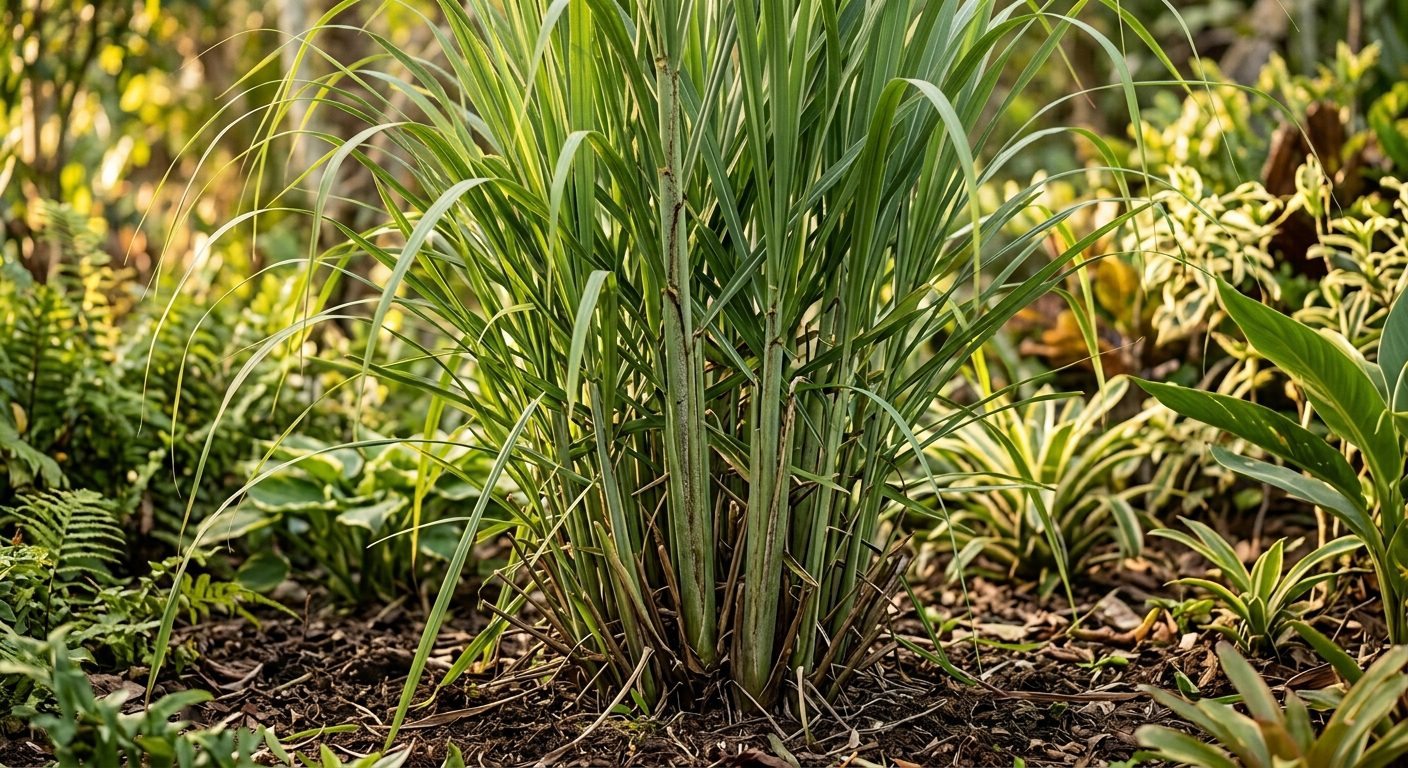
Lemongrass is a tropical grass used throughout Southeast Asian, Indian, and Caribbean cooking. The fragrant stalks flavour curries, soups, and teas. In cold zones, grow as a container plant and overwinter indoors.
Light
Water
Soil
Days to harvest
Start indoors
When to plant Lemongrasses
Your exact dates depend on your last frost date. Enter your location to get your personalized planting calendar.
In general: start seeds indoors 8 weeks before your last frost, and expect harvest ~75–100 days later. See zone 8b →
Growing guide
Overview
Lemongrass is a tropical grass grown for its fragrant stalks, which flavor curries, soups, and teas. Gardeners love it for its fast growth and the fact that one clump keeps producing for years in warm climates. It needs full sun, steady moisture, and warm soil to thrive, and it will not survive frost.
Soil & planting prep
Lemongrass grows best in loose, loamy or sandy soil that drains well; it tolerates a range of pH but prefers slightly acidic to neutral (around 6.0–7.0). Before planting, work in compost to improve drainage and fertility. Space plants 24 to 36 inches apart, and set them so the base of the stalks sits just below the soil surface.
When to plant
Start seeds indoors 8 weeks before your last frost date, or buy starts closer to planting time. Transplant outdoors only after the last frost has passed and the soil has warmed to at least 60°F, since lemongrass is not frost-tolerant. In zones 8b–11b it can be planted in spring and grown as a perennial; in colder zones treat it as an annual container plant and move it indoors before the first fall frost.
How to plant
- Start seeds indoors 8 weeks before last frost in a warm spot (75–85°F); keep the soil moist but not soggy.
- Harden off seedlings for 7–10 days before transplanting by gradually exposing them to outdoor sun and wind.
- Choose a site in full sun with well-drained soil; amend with compost if needed.
- Set transplants 24–36 inches apart, planting at the same depth they were growing in their pots.
- Water thoroughly after planting and keep the soil evenly moist until new growth appears.
5 common mistakes to avoid
- Planting outdoors too early: lemongrass is tropical and will stall or rot in cold soil, so wait until after your last frost date and the soil is at least 60°F.
- Letting the soil dry out completely: lemongrass needs consistent moisture, especially in containers, and drought stress causes tough, fibrous stalks and yellowing leaves.
- Growing in too-small containers: lemongrass forms a large clump and needs at least a 5-gallon pot to reach a harvestable size; smaller pots stunt it.
- Overwintering incorrectly: in cold zones, bring the pot indoors before the first frost and keep it in a bright, cool spot; leaving it outside even for one light frost can kill it.
- Harvesting the whole clump at once: cutting all stalks at soil level can kill the plant; instead, harvest only the outer stalks, leaving the center to regrow.
Harvesting & storage
Begin harvesting when stalks are about 12 inches tall and firm, usually 75–100 days after planting. Cut outer stalks at the base with a sharp knife, leaving the inner stalks to continue growing. Use fresh stalks right away, or store them in the refrigerator for up to two weeks; for longer storage, freeze chopped stalks or dry them.
Companion planting
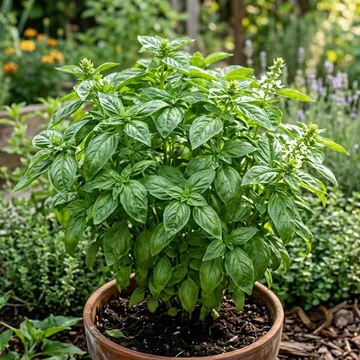
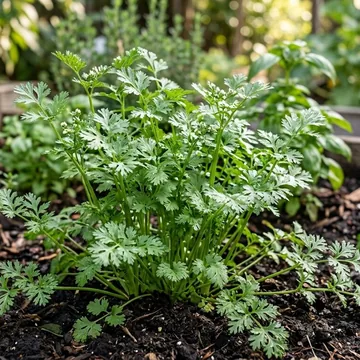
Lemongrass grows well with other heat-loving herbs like basil, cilantro, and mint, and it can be planted near vegetables such as peppers and eggplant. Avoid planting it next to fennel, which can inhibit its growth.
Growing in containers
Lemongrass is well-suited to containers and performs best in a pot of at least 5 gallons. Use a well-draining potting mix, place it in full sun, and water when the top inch of soil feels dry; bring the pot indoors before frost in cold zones.
Pro tips
In cold zones, start indoors 8 weeks before last frost in a large pot. Bring indoors before frost. Divide clumps every 2-3 years. Harvest outer stalks 12 inches tall. Loves heat and full sun.
Grow Lemongrasses this season
Get lemongrass seeds and supplies matched to your climate.
Shop lemongrass seeds →We may earn a commission when you buy through links on our site. Full disclosure.
Frequently asked questions
How long do Lemongrasses take to grow?
Lemongrasses take about 75–100 days, plus 8 weeks to start seeds indoors.
What zone does Lemongrass grow in?
Lemongrasses grow in USDA Hardiness Zones 8b–11b.
Can you grow Lemongrass in a container?
Yes — Lemongrasses grow well in containers. A 5-gallon pot or larger is ideal.
Is Lemongrass hard to grow?
Difficulty: Intermediate. Lemongrass is a tropical grass used throughout Southeast Asian, Indian, and Caribbean cooking. The fragrant stalks flavour curries, soups, and teas. In cold zones, grow as a container plant and overwinter indoors.
Is Lemongrass safe for dogs and cats?
Lemongrasses are not safe for pets — keep dogs and cats away from the plant.
Grows well with
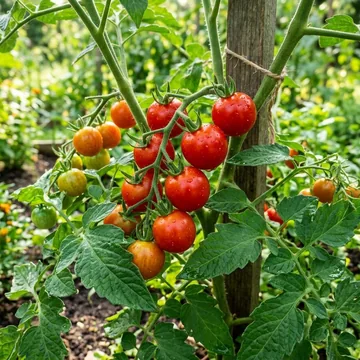
Companion plants that help lemongrass — improving growth, repelling pests, or attracting pollinators.
More plants to grow
Popular guides readers also check.
🌱 Get lemongrass planting dates for your zone
Get your personalized "what to plant and when" calendar for your zone — plus tips when each crop is ready. Free, unsubscribe anytime.