How to Grow Gooseberry
Zones 3a–6b · Beginner · Perennial
Container-friendlyPerennial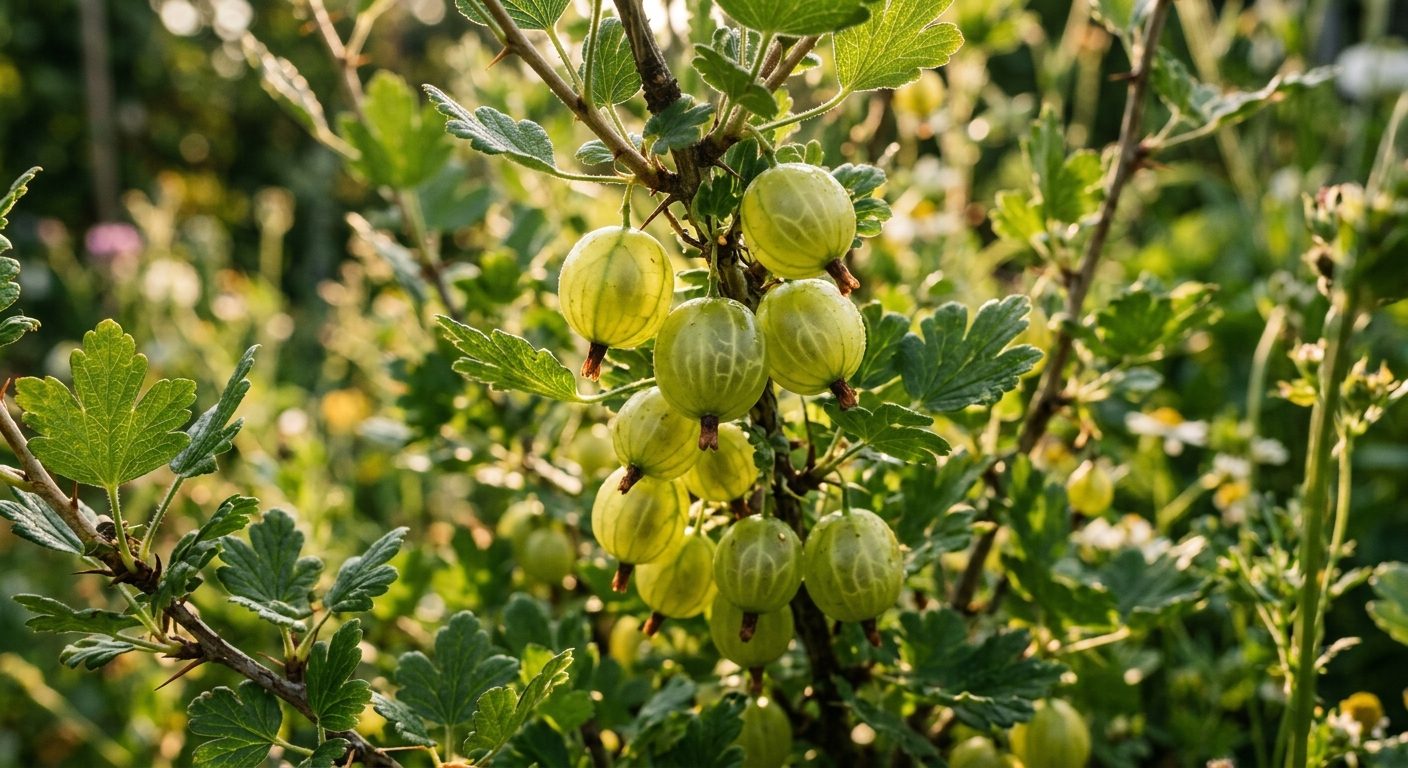
Gooseberries are one of the most productive small fruits for cold climates — fat tart berries that ripen in early summer before most other fruit. They actually need cold winters to thrive, making them perfect for northern growers.
Light
Water
Soil
Days to harvest
When to plant Gooseberries
Your exact dates depend on your last frost date. Enter your location to get your personalized planting calendar.
In general: direct-sow or transplant after your last frost, and expect harvest starting the following season. See zone 3a →
Growing guide
Overview
Gooseberries are compact, cold-hardy shrubs that produce tart, translucent berries in early summer, often before most other fruit ripens. They need cold winters to thrive, making them a reliable choice for northern gardens in zones 3a–6b. Give them full sun to partial shade and moderate, consistent moisture, and they’ll crop for years.
Soil & planting prep
Gooseberries grow best in loamy or clay soil that drains well but holds some moisture; they dislike sandy, droughty ground. Aim for a pH around 6.0–7.0. Space plants 4–5 feet apart and set them 1–2 inches deeper than they grew in the nursery to encourage a strong root system.
When to plant
Plant gooseberries in early spring as soon as the soil can be worked, or in fall after the plant goes dormant. In cold zones, spring planting gives roots a full season to establish before winter. Wait until after the last frost date for spring planting, but don’t delay too long—plants establish best in cool, moist weather.
How to plant
- Choose a site with full sun to partial shade and well-drained soil; avoid low spots where water stands.
- Dig a hole twice as wide as the root ball and just as deep, spacing plants 4–5 feet apart.
- Set the plant 1–2 inches deeper than it was growing in the nursery, spreading roots outward.
- Backfill with native soil, firm gently, and water thoroughly to settle the roots.
- Apply a 2–3 inch layer of mulch around the plant, keeping it a few inches away from the stems.
5 common mistakes to avoid
- Planting in a spot with poor drainage—gooseberries hate wet feet and will rot; choose a raised bed or mound if your soil stays soggy.
- Skipping annual pruning—unpruned bushes become dense and disease-prone; remove the oldest canes each winter to keep an open bowl shape.
- Harvesting all berries at once—gooseberries ripen unevenly; pick individual berries as they turn translucent for fresh eating, or earlier for cooking.
- Letting the plant dry out during fruit swell—drought stress causes small, dropped berries; water deeply during dry spells.
- Ignoring thorns—gooseberry canes are sharp, so wear gloves and long sleeves when planting, pruning, and harvesting.
Harvesting & storage
Berries are ready when they turn translucent and slightly soft; for pies and jam, pick them when green-ripe and firm. Harvest by hand, wearing gloves, gently pulling each berry from the stem. Store fresh berries in the refrigerator for up to a week, or freeze them for longer keeping.
Companion planting
Good companions include borage, which attracts pollinators, and chives, which may help deter pests. Avoid planting near pines or other conifers, as they can host rust diseases that affect gooseberries.
Growing in containers
Gooseberries can be grown in containers, but they need a large pot—at least 15 gallons—to accommodate their root system. Use a well-draining potting mix and water regularly, as containers dry out faster than garden soil.
Pro tips
Plant in fall or early spring. Tolerates partial shade well. Prune to an open bowl shape for air circulation. Harvest when berries turn translucent for eating fresh, or green-ripe for pies and jam. Thorny — wear gloves.
Grow Gooseberries this season
Get gooseberry seeds and supplies matched to your climate.
Shop gooseberry seeds →We may earn a commission when you buy through links on our site. Full disclosure.
Frequently asked questions
How long do Gooseberries take to grow?
Gooseberries take about Perennial.
What zone does Gooseberry grow in?
Gooseberries grow in USDA Hardiness Zones 3a–6b.
Can you grow Gooseberry in a container?
Yes — Gooseberries grow well in containers. A 15-gallon pot or larger is ideal.
Is Gooseberry hard to grow?
Difficulty: Beginner. Gooseberries are one of the most productive small fruits for cold climates — fat tart berries that ripen in early summer before most other fruit. They actually need cold winters to thrive, making them perfect for northern growers.
Is Gooseberry safe for dogs and cats?
Gooseberries are safe for both dogs and cats.
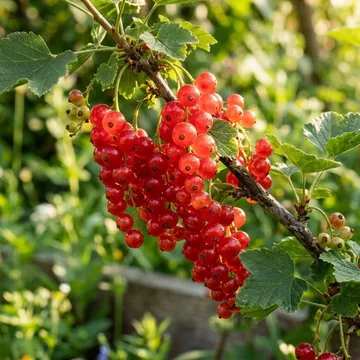
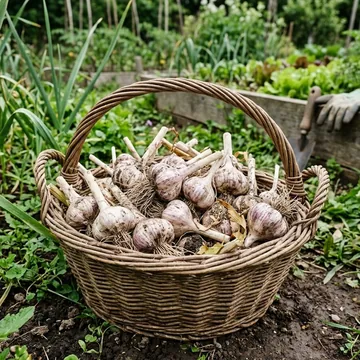
Grows well with
Companion plants that help gooseberry — improving growth, repelling pests, or attracting pollinators.
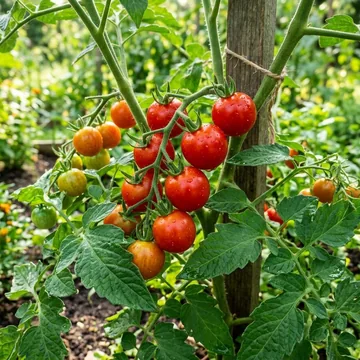
More plants to grow
Popular guides readers also check.

🌱 Get gooseberry planting dates for your zone
Get your personalized "what to plant and when" calendar for your zone — plus tips when each crop is ready. Free, unsubscribe anytime.