How to Grow Pomegranate
Zones 7a–11b · Intermediate · Perennial
Container-friendlyBalcony/patioPerennialDeer-resistant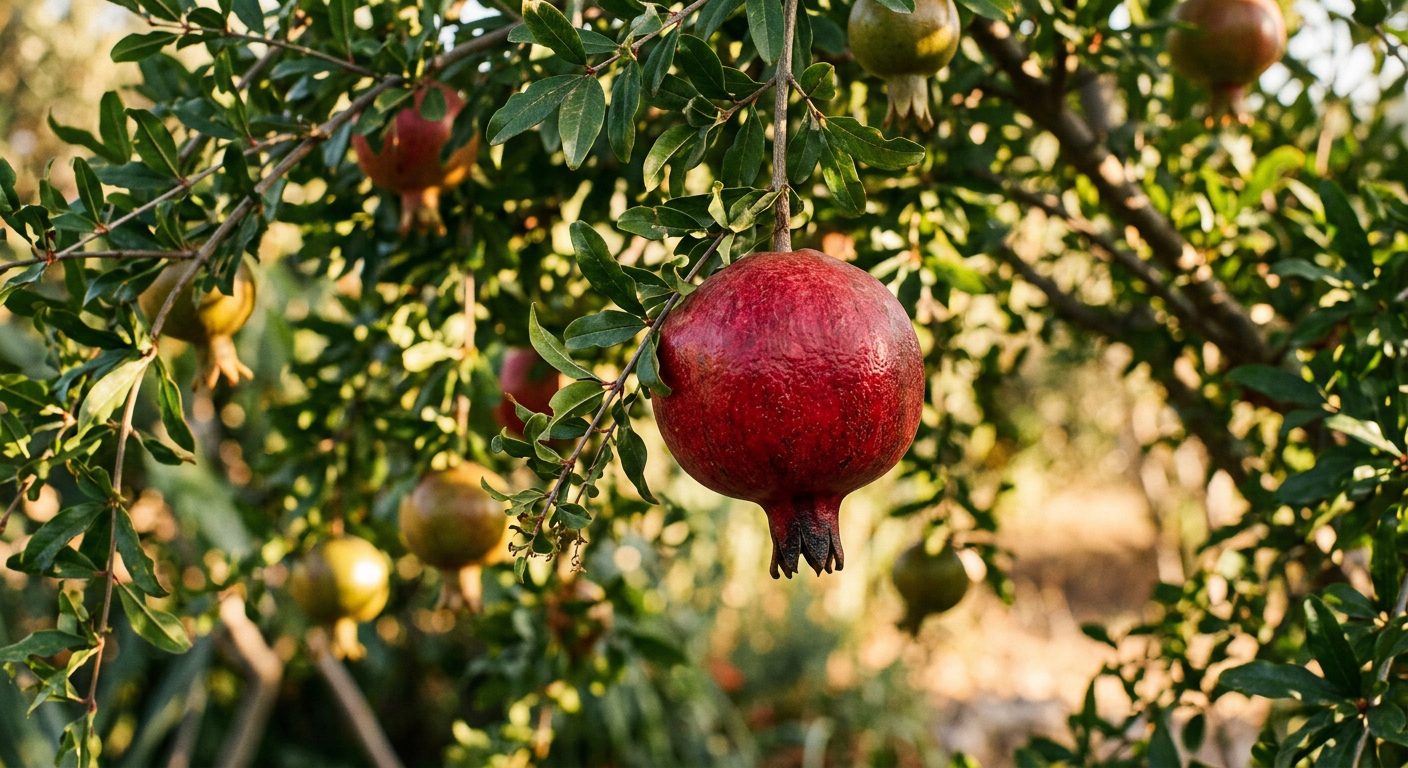
Pomegranate is a drought-tolerant Mediterranean shrub that produces jewel-like fruit packed with antioxidants. Dwarf varieties grow beautifully in containers and overwinter indoors in cold climates.
Light
Water
Soil
Days to harvest
When to plant Pomegranates
Your exact dates depend on your last frost date. Enter your location to get your personalized planting calendar.
In general: direct-sow or transplant after your last frost, and expect harvest starting the following season. See zone 7a →
Growing guide
Overview
Pomegranate is a long-lived deciduous shrub or small tree that produces glossy red fruit filled with juicy, antioxidant-rich seeds called arils. Growers love it for its tolerance of heat and drought, its ornamental flowers, and the fact that dwarf varieties fruit well in containers. It needs full sun, well-drained soil, and a long hot growing season to ripen fruit.
Soil & planting prep
Plant in loamy or sandy soil that drains quickly; pomegranates tolerate poor, rocky ground but rot in soggy, heavy clay. A slightly acidic to slightly alkaline pH (5.5–7.5) is fine. Space plants 6–10 feet apart if growing in the ground, and plant at the same depth they were growing in the nursery pot.
When to plant
Set out nursery plants in spring after the last frost date, when the soil has warmed and nights stay above 50°F. In zones 7a–7b, plant in the warmest microclimate you have—such as against a south-facing wall—so the wood ripens before winter. Pomegranates are not frost-tolerant when young, so don’t plant until all danger of frost has passed.
How to plant
- Choose the hottest, sunniest spot in your yard, ideally against a south- or west-facing wall that reflects heat.
- Dig a hole twice as wide as the root ball and just as deep, then mix the native soil with compost if it’s heavy clay.
- Set the plant in the hole so the top of the root ball sits level with the surrounding soil, and backfill gently.
- Water thoroughly to settle the soil, then spread 2–3 inches of mulch around the base, keeping it a few inches away from the trunk.
- Water deeply every 7–10 days for the first season to establish roots; after that, pomegranates need little supplemental water except during drought.
5 common mistakes to avoid
- Planting in a spot that gets less than 6–8 hours of direct sun—pomegranates need full sun and reflected heat to flower and set fruit, so a shady corner will give you leaves but no harvest.
- Overwatering or planting in poorly drained clay, which causes root rot and yellowing leaves; let the soil dry out between waterings and amend heavy soil with compost or plant on a slight mound.
- Expecting fruit too soon—seed-grown pomegranates can take 4–6 years to bear, and even named varieties often need 2–3 years, so buy a grafted or cutting-grown plant if you want fruit faster.
- Growing a full-size variety in a small container; pomegranates have vigorous roots and need at least a 15-gallon pot, and dwarf types like ‘Nana’ are better suited to tight spaces.
- Failing to protect young plants from frost in zones 7a–7b—cold damage can kill the top growth, so wrap the trunk or move containers indoors before the first hard freeze.
Harvesting & storage
Fruit is ready when it reaches full color, sounds metallic when tapped, and the skin turns from glossy to slightly dull—usually 5–7 months after flowering. Cut the fruit from the stem with pruners rather than pulling, and store whole fruit in a cool, dry place for several weeks or in the refrigerator for up to 2 months.
Companion planting
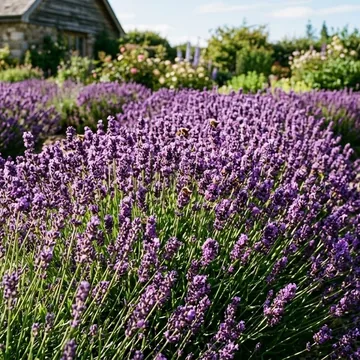
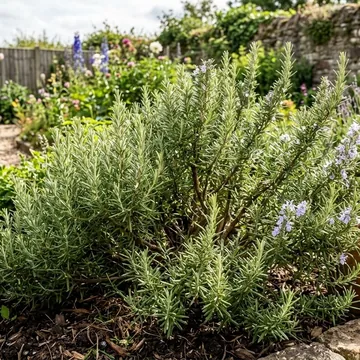
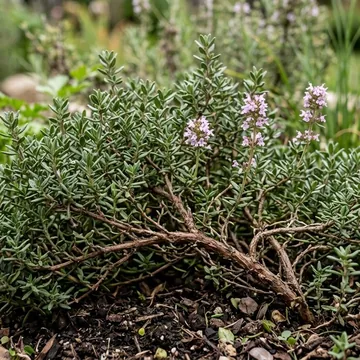
Good companions include lavender, rosemary, and other drought-tolerant Mediterranean herbs that share the same sunny, well-drained conditions. Avoid planting near thirsty, moisture-loving plants like willows or mint, which can encourage root rot.
Growing in containers
Pomegranates grow well in containers, especially dwarf varieties like ‘Nana’ or ‘Wonderful’—use a pot at least 15 gallons with drainage holes and a sandy, well-drained mix. In cold zones, move the pot to a cool, bright indoor spot before the first frost and water sparingly through winter.
Pro tips
Grow in the hottest spot in your garden — reflected heat from a south wall is ideal. Needs 120+ days of heat to ripen fruit. In cold zones, grow Wonderful or Nana dwarf in a 15+ gallon container and overwinter indoors in a cool bright room.
Grow Pomegranates this season
Get pomegranate seeds and supplies matched to your climate.
Shop pomegranate seeds →We may earn a commission when you buy through links on our site. Full disclosure.
Frequently asked questions
How long do Pomegranates take to grow?
Pomegranates take about Perennial.
What zone does Pomegranate grow in?
Pomegranates grow in USDA Hardiness Zones 7a–11b.
Can you grow Pomegranate in a container?
Yes — Pomegranates grow well in containers. A 15-gallon pot or larger is ideal.
Is Pomegranate hard to grow?
Difficulty: Intermediate. Pomegranate is a drought-tolerant Mediterranean shrub that produces jewel-like fruit packed with antioxidants. Dwarf varieties grow beautifully in containers and overwinter indoors in cold climates.
Is Pomegranate safe for dogs and cats?
Pomegranates are safe for both dogs and cats.
Grows well with
Companion plants that help pomegranate — improving growth, repelling pests, or attracting pollinators.
More plants to grow
Popular guides readers also check.
🌱 Get pomegranate planting dates for your zone
Get your personalized "what to plant and when" calendar for your zone — plus tips when each crop is ready. Free, unsubscribe anytime.