How to Grow Elderberry
Zones 3a–9b · Beginner · Perennial
Perennial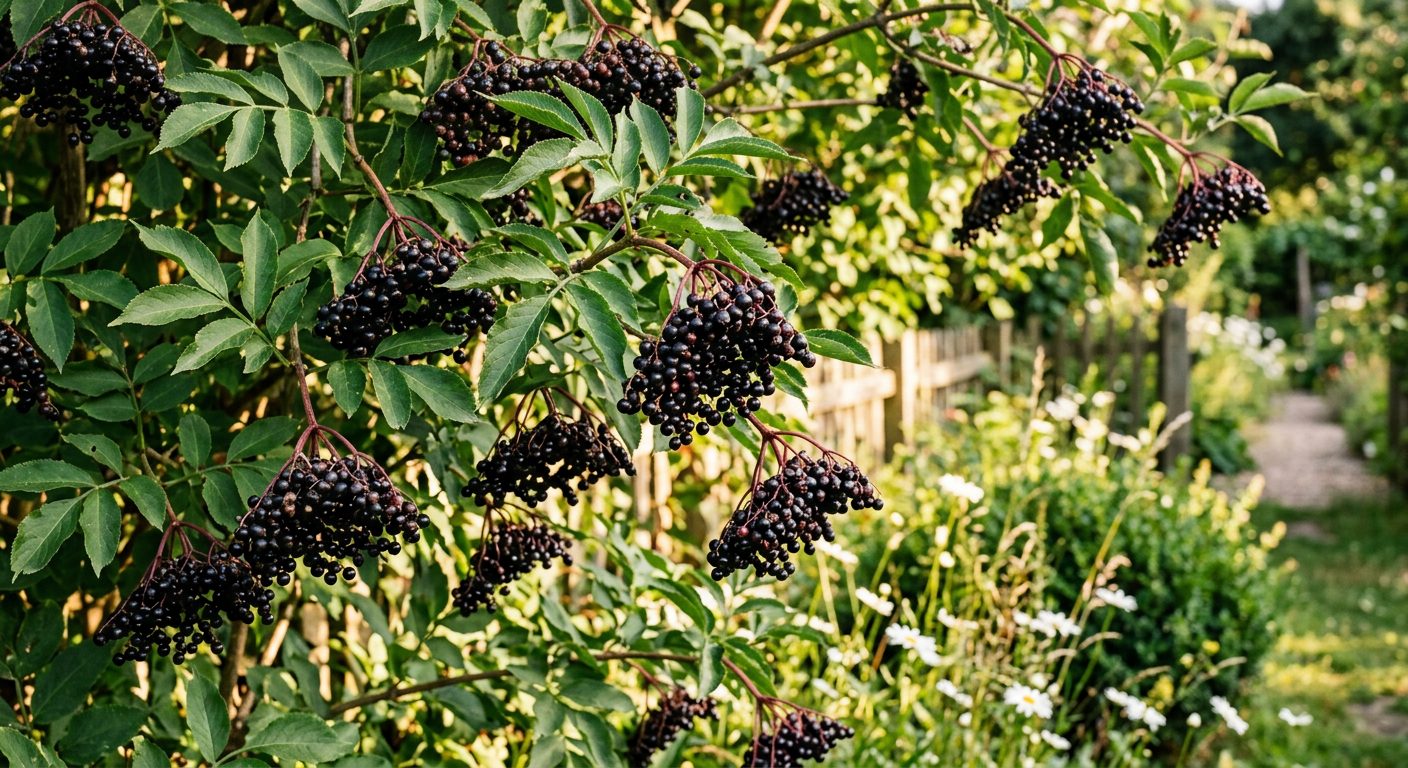
Elderberries are a fast-growing native shrub producing massive clusters of dark berries used for immune-boosting syrup, wine, and jam. Caution: raw berries and all other plant parts are toxic — always cook before consuming.
Light
Water
Soil
Days to harvest
When to plant Elderberries
Your exact dates depend on your last frost date. Enter your location to get your personalized planting calendar.
In general: direct-sow or transplant after your last frost, and expect harvest starting the following season. See zone 3a →
Growing guide
Overview
Elderberry is a fast-growing native fruiting shrub that produces large clusters of dark purple berries used for syrup, wine, and jam. Growers value it for its easy care, cold hardiness, and tolerance of wet clay soil. It thrives with full sun to partial shade, consistent moisture, and at least two different varieties for cross-pollination.
Soil & planting prep
Choose a spot with loamy or clay soil that stays moist but not permanently waterlogged. Elderberry does best in slightly acidic to neutral soil with a pH around 5.5-6.5. Space plants 6-10 feet apart and plant at the same depth they grew in the nursery, with the crown level with the soil surface.
When to plant
Plant dormant bare-root or potted elderberries in early spring as soon as the soil can be worked, about 2-4 weeks before your average last frost date. They tolerate light frost, so planting early gives roots time to establish before summer heat. In mild-winter areas, you can also plant potted shrubs in late winter.
How to plant
- Choose a site with full sun to partial shade and moist, moisture-retentive soil; plan to plant at least two different elderberry varieties within 50-60 feet of each other.
- Soak bare-root plants in a bucket of water for 12-24 hours before planting.
- Dig a hole twice as wide and the same depth as the root system, and loosen the surrounding soil.
- Set the plant in the hole so the crown is level with the soil surface, backfill with native soil mixed with compost, and firm lightly.
- Water deeply after planting and apply 2-4 inches of mulch, keeping the root zone consistently moist for the first full season.
5 common mistakes to avoid
- Planting a single bush and expecting heavy fruit set: many elderberry cultivars are only partially self-fruitful, so plant at least two different named varieties, such as Adams and Nova, within 50-60 feet.
- Eating raw berries or blending leaves and stems into smoothies: raw elderberries and all green plant parts contain cyanogenic glycosides that can upset the stomach, so cook the berries and keep other plant parts out of food.
- Harvesting entire clusters while some berries are still green or red: unripe elderberries are more toxic and bitter, so wait until all berries in the cluster are dark purple to black and remove any stragglers before cooking.
- Never pruning out old canes: elderberry fruits best on younger canes, and unpruned shrubs become dense and unproductive, so remove dead or damaged canes and canes older than three years in early spring.
- Growing elderberry in a dry, sandy spot with no irrigation: its shallow roots need consistent moisture, and water stress causes leaf drop and small yields, so choose a moisture-retentive site and water during dry spells.
Harvesting & storage
Elderberries are ready when the whole cluster turns dark purple-black and the berries are slightly soft, typically from late August into September. Snip whole clusters with scissors, then remove unripe berries, stems, and leaves before cooking. Store fresh clusters in the fridge for only a few days, or freeze clusters whole to make berries easier to strip for processing.
Companion planting
Pair elderberry with moisture-loving native shrubs such as winterberry and pollinator plants like bee balm or asters to support the insects that pollinate flowers. Avoid planting it next to dry-soil Mediterranean herbs such as lavender that need sharp drainage.
Growing in containers
Elderberry is best planted in the ground, not kept as a long-term container shrub. It reaches 6-12 feet tall, spreads by suckers, and needs a large consistently moist root zone, so even a very large pot will limit its size and lifespan.
Pro tips
Plant two different varieties for cross-pollination (Adams and Nova are popular pairs). Grows fast — 6-12 feet in two years. Tolerates wet soil better than most shrubs. Cut back hard in early spring. Cook all berries before eating.
Grow Elderberries this season
Get elderberry seeds and supplies matched to your climate.
Shop elderberry seeds →We may earn a commission when you buy through links on our site. Full disclosure.
Frequently asked questions
How long do Elderberries take to grow?
Elderberries take about Perennial.
What zone does Elderberry grow in?
Elderberries grow in USDA Hardiness Zones 3a–9b.
Can you grow Elderberry in a container?
Elderberries are usually grown in the ground or a large raised bed rather than a container.
Is Elderberry hard to grow?
Difficulty: Beginner. Elderberries are a fast-growing native shrub producing massive clusters of dark berries used for immune-boosting syrup, wine, and jam. Caution: raw berries and all other plant parts are toxic — always cook before consuming.
Is Elderberry safe for dogs and cats?
Elderberries are not safe for pets — keep dogs and cats away from the plant.
Grows well with
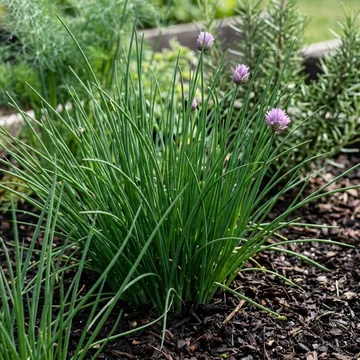
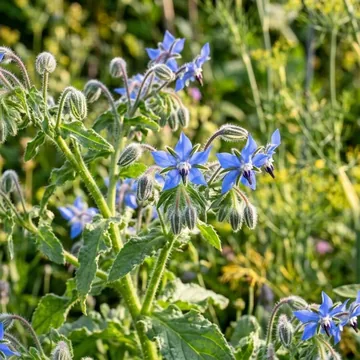
Companion plants that help elderberry — improving growth, repelling pests, or attracting pollinators.
More plants to grow
Popular guides readers also check.
🌱 Get elderberry planting dates for your zone
Get your personalized "what to plant and when" calendar for your zone — plus tips when each crop is ready. Free, unsubscribe anytime.