How to Grow Borage
Zones 2a–11b · Beginner · 50–60 days
Container-friendlyBalcony/patioDeer-resistant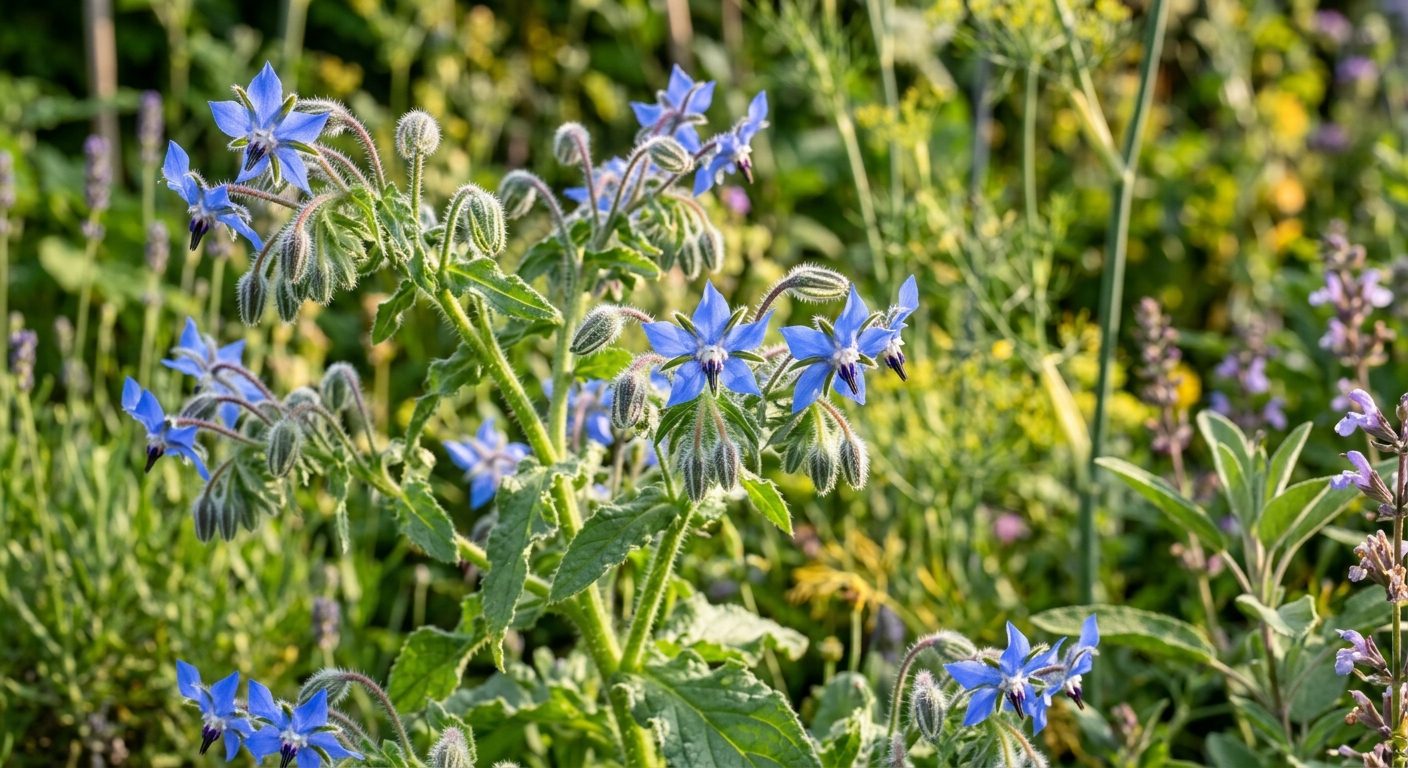
Borage is an effortless annual with striking blue star-shaped flowers. The cucumber-flavored leaves and flowers are edible, and it is a powerful pollinator magnet that self-seeds freely year after year.
Light
Water
Soil
Days to harvest
When to plant Borages
Your exact dates depend on your last frost date. Enter your location to get your personalized planting calendar.
In general: direct-sow or transplant after your last frost, and expect harvest ~50–60 days later. See zone 2a →
Growing guide
Overview
Borage is an easy annual herb with fuzzy leaves and bright blue star-shaped flowers that taste lightly of cucumber. Gardeners love it for its pollinator magnet effect and its habit of self-seeding year after year. It thrives in full sun and lean, well-drained soil with low water once established.
Soil & planting prep
Borage grows best in loamy or sandy, well-drained soil with average fertility. It tolerates a wide pH range, so you usually do not need to adjust garden soil. Sow seeds 1/4 to 1/2 inch deep and thin plants to 12-18 inches apart.
When to plant
Direct sow borage after your last frost date, when soil has begun to warm. Although established plants tolerate light frost, seeds germinate more reliably in warm soil. For a longer bloom window, sow a second round in early summer.
How to plant
- Choose a full-sun location with loose, well-drained, average soil.
- Direct sow seeds 1/4 to 1/2 inch deep after your last frost date; do not start indoors.
- Water lightly and keep the seedbed evenly moist until seedlings emerge, typically within 7-14 days.
- Thin seedlings to 12-18 inches apart once they have two sets of true leaves.
- Water only when the top inch of soil is dry and let plants grow without added nitrogen fertilizer.
5 common mistakes to avoid
- Starting borage indoors or buying transplants often leads to stunted, bolting plants because borage forms a taproot and hates root disturbance; direct-sow seeds where you want them to grow.
- Planting borage in rich, heavily fertilized, or soggy soil causes weak, floppy growth and fewer flowers; choose average, lean, well-drained soil and skip nitrogen-heavy feeding.
- Treating borage like a thirsty herb invites root rot and powdery mildew, since this is a low-water plant; let the top inch of soil dry out between waterings.
- Letting every flower set seed can turn one plant into an aggressive volunteer problem; harvest flowers daily or deadhead before seed heads form if you do not want it self-sowing everywhere.
- Waiting too long to harvest leaves gives you coarse, hairy, less pleasant foliage; pick young leaves regularly and use flowers as they open for the best cucumber-like flavor.
Harvesting & storage
Borage is ready to harvest about 50-60 days after sowing. Pick young leaves before plants flower for the mildest flavor, and harvest flowers as they open. Use fresh; flowers wilt quickly and are best eaten the same day, while leaves can be refrigerated in a sealed bag for a day or two.
Companion planting
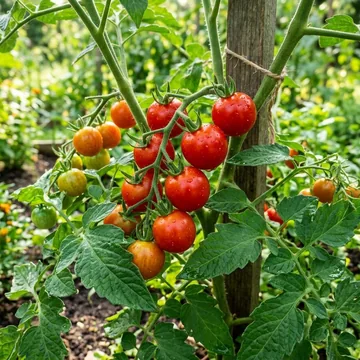
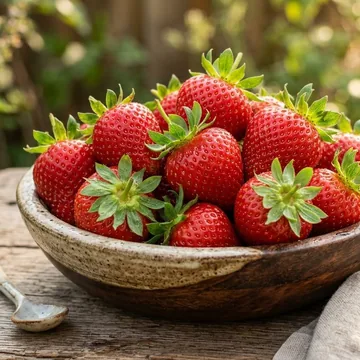
Plant borage near tomatoes, strawberries, and squash to attract pollinators and beneficial insects. No widely documented antagonistic companions exist, but keep it from crowding very small, slow-growing herbs because it self-seeds freely.
Growing in containers
Borage does well in a 3-gallon or larger container with a drainage hole. Use a gritty, well-drained potting mix and place it in full sun; container plants may need water more often than in-ground plants but still prefer to dry out slightly between waterings.
Pro tips
Direct sow after last frost — hates transplanting. Self-seeds so aggressively you plant it once and it returns every year. Great companion plant for tomatoes and strawberries. Harvest flowers daily to encourage more blooms.
Grow Borages this season
Get borage seeds and supplies matched to your climate.
Shop borage seeds →We may earn a commission when you buy through links on our site. Full disclosure.
Frequently asked questions
How long do Borages take to grow?
Borages take about 50–60 days.
What zone does Borage grow in?
Borages grow in USDA Hardiness Zones 2a–11b.
Can you grow Borage in a container?
Yes — Borages grow well in containers. A 3-gallon pot or larger is ideal.
Is Borage hard to grow?
Difficulty: Beginner. Borage is an effortless annual with striking blue star-shaped flowers. The cucumber-flavored leaves and flowers are edible, and it is a powerful pollinator magnet that self-seeds freely year after year.
Is Borage safe for dogs and cats?
Borages are safe for both dogs and cats.
Grows well with
Companion plants that help borage — improving growth, repelling pests, or attracting pollinators.
More plants to grow
Popular guides readers also check.
🌱 Get borage planting dates for your zone
Get your personalized "what to plant and when" calendar for your zone — plus tips when each crop is ready. Free, unsubscribe anytime.