How to Grow Raspberry
Zones 3a–9a · Intermediate · Perennial
Container-friendlyPerennial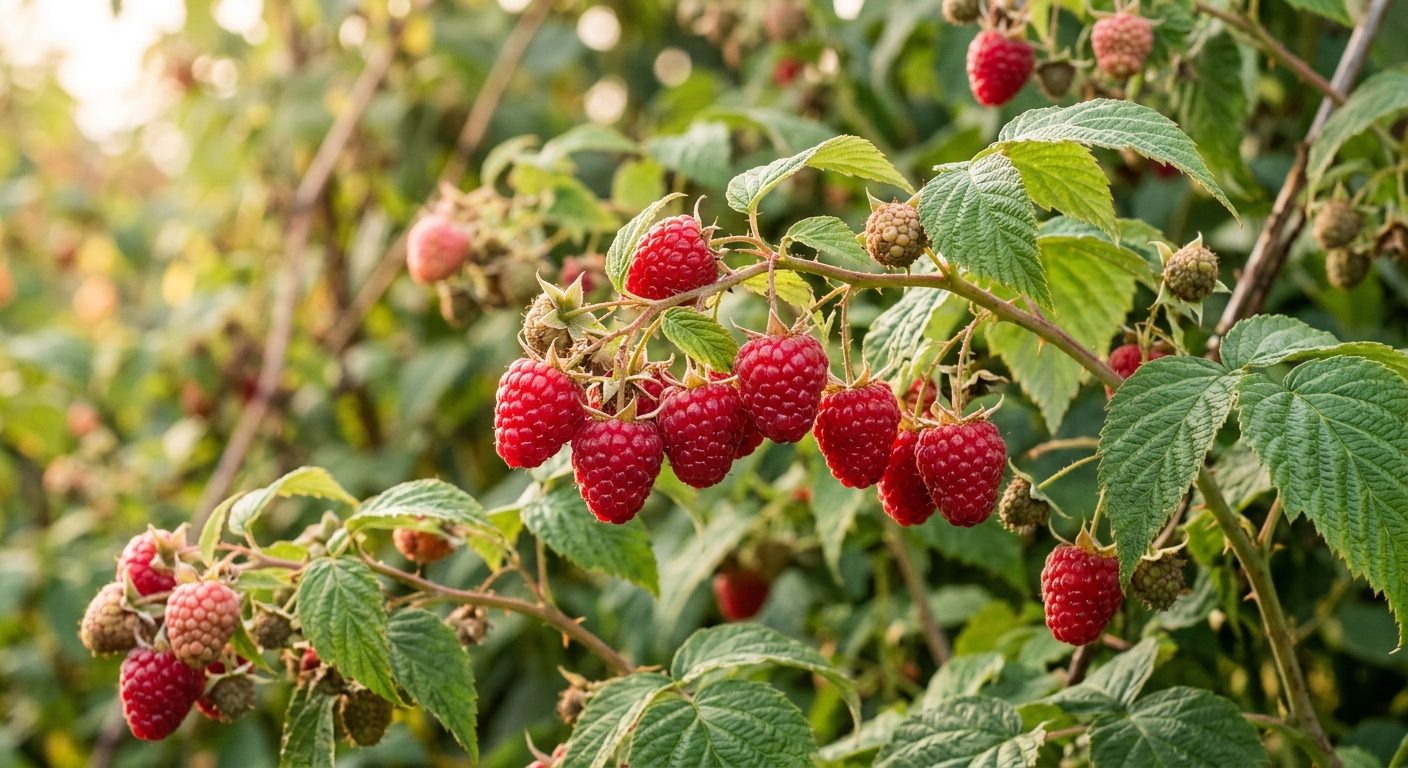
Raspberries are productive cane fruits that spread readily — give them space and support.
Light
Water
Soil
Days to harvest
When to plant Raspberries
Your exact dates depend on your last frost date. Enter your location to get your personalized planting calendar.
In general: direct-sow or transplant after your last frost, and expect harvest starting the following season. See zone 3a →
Growing guide
Overview
Raspberries are perennial cane fruits that produce sweet berries on upright or trailing canes, and they spread by suckers to form a hedge if you let them. Growers love them because a small patch yields for years with modest care. They need full sun, consistent moisture, and a trellis to keep canes off the ground.
Soil & planting prep
Raspberries grow best in loamy, well-drained soil with a pH between 5.5 and 6.5. Work in 2 to 4 inches of compost before planting and remove perennial weeds. Space plants 2 to 3 feet apart in rows 6 to 8 feet apart, and set bare-root canes so the roots are covered but the crown sits at or just below the soil line.
When to plant
Plant bare-root raspberries in early spring, about 2 to 4 weeks before your last frost date, so roots establish before summer heat. In mild regions you can also plant in late fall after canes go dormant. Container-grown plants can go in anytime the soil is workable, but spring is safest.
How to plant
- Choose a sunny spot with well-drained soil and clear all perennial weeds.
- Dig a hole wide enough to spread the roots and set the crown 1 to 2 inches below the soil surface.
- Backfill with soil, firm gently, and water deeply to settle the roots.
- Space plants 2 to 3 feet apart in rows 6 to 8 feet apart.
- Install a trellis with posts and two or three wires at 2, 4, and 6 feet, then tie canes loosely as they grow.
5 common mistakes to avoid
- Planting in poorly drained soil causes root rot; raspberries hate wet feet, so plant on a raised bed or amend with compost if drainage is poor.
- Letting canes sprawl on the ground invites disease and makes harvest miserable; install a trellis at planting time and tie canes up.
- Pruning at the wrong time removes next year’s fruit; summer-bearing types fruit on second-year canes, so cut only floricanes after harvest, while everbearing types can be cut to the ground in late winter for a fall crop.
- Skipping annual thinning leads to a crowded, unproductive patch; remove weak and spindly canes each year, leaving 4 to 6 strong canes per foot of row.
- Harvesting too early gives tart, firm berries; wait until the berry slips off the receptacle easily, which is when it’s fully ripe.
Harvesting & storage
Pick when berries are fully colored and pull free from the core with almost no tug. Harvest every 2 to 3 days in cool morning hours and refrigerate immediately. Fresh berries keep 2 to 3 days in the fridge; freeze extras on a tray before bagging.
Companion planting
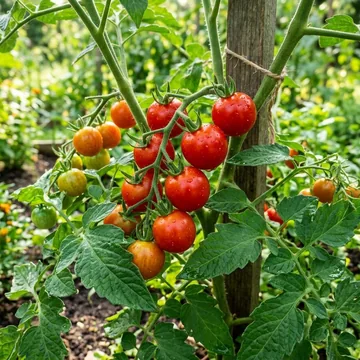
Good companions include garlic, chives, and marigolds, which may help repel pests. Avoid planting near nightshades like tomatoes, peppers, and potatoes because they share verticillium wilt.
Growing in containers
Raspberries can grow in a 5-gallon container or larger, but you’ll need a trellis or stake and must water more often. Use a well-drained potting mix and bring the pot into an unheated garage in winter in cold zones.
Pro tips
Plant bare-root canes in early spring or fall. Install posts and wires for support. Summer-bearing varieties fruit on second-year canes; everbearing varieties fruit on first-year tips in fall.
Grow Raspberries this season
Get raspberry seeds and supplies matched to your climate.
Shop raspberry seeds →We may earn a commission when you buy through links on our site. Full disclosure.
Frequently asked questions
How long do Raspberries take to grow?
Raspberries take about Perennial.
What zone does Raspberry grow in?
Raspberries grow in USDA Hardiness Zones 3a–9a.
Can you grow Raspberry in a container?
Yes — Raspberries grow well in containers. A 5-gallon pot or larger is ideal.
Is Raspberry hard to grow?
Difficulty: Intermediate. Raspberries are productive cane fruits that spread readily — give them space and support.
Is Raspberry safe for dogs and cats?
Raspberries are safe for both dogs and cats.
Grows well with
Companion plants that help raspberry — improving growth, repelling pests, or attracting pollinators.
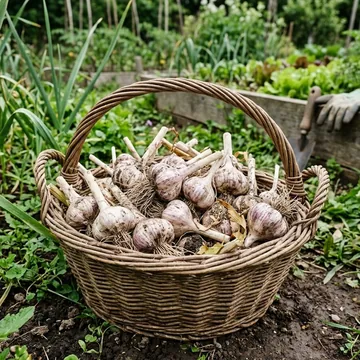
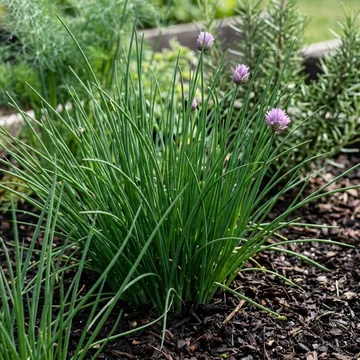
Keep away from: Potato, Tomato, Eggplant.
More plants to grow
Popular guides readers also check.

🌱 Get raspberry planting dates for your zone
Get your personalized "what to plant and when" calendar for your zone — plus tips when each crop is ready. Free, unsubscribe anytime.