How to Grow Bay Laurel
Zones 8a–10b · Intermediate · 180–365 days
Container-friendlyBalcony/patioIndoor-friendlyPerennialDeer-resistant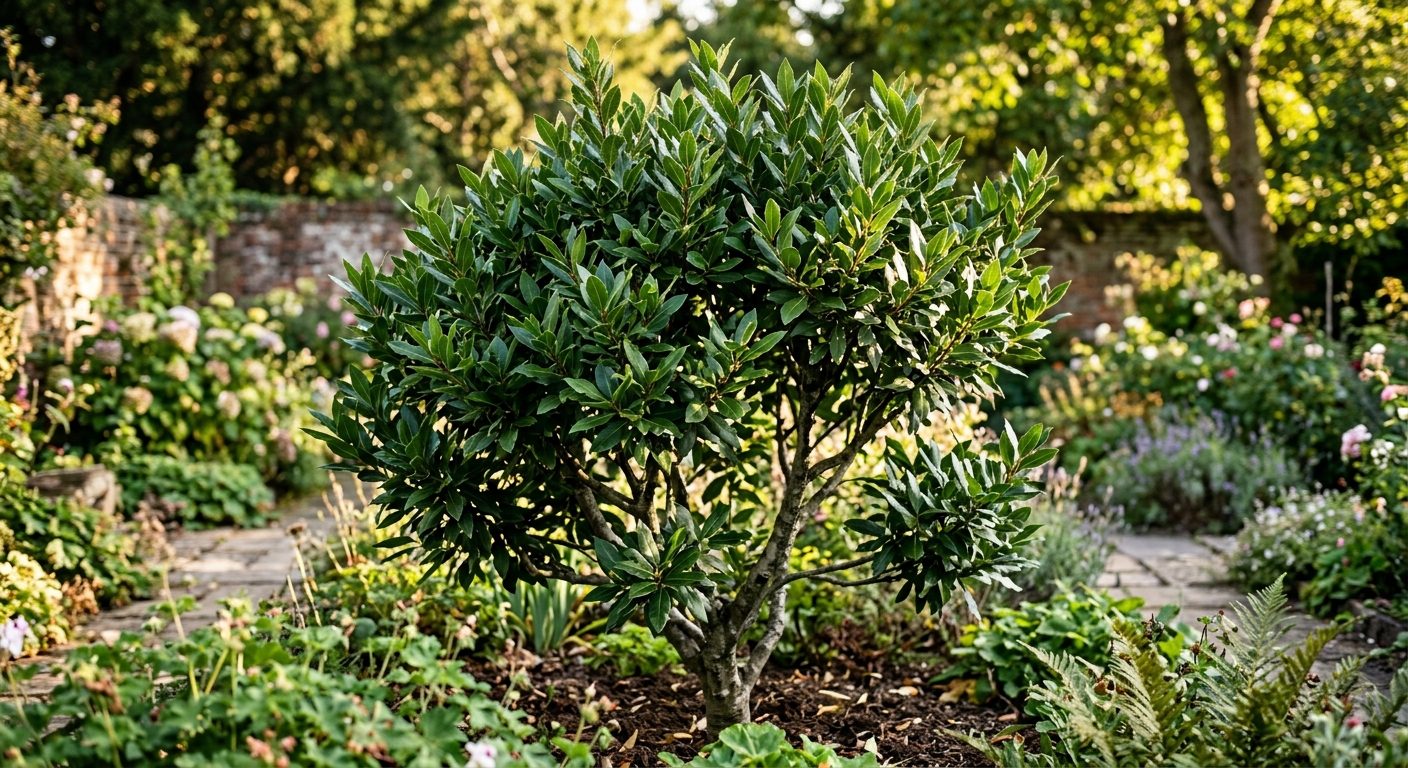
Bay laurel is the source of the bay leaf in every spice rack — a slow-growing Mediterranean shrub that can be kept compact in a container. The fresh leaves are far more aromatic than dried store-bought.
Light
Water
Soil
Days to harvest
When to plant Bay Laurels
Your exact dates depend on your last frost date. Enter your location to get your personalized planting calendar.
In general: direct-sow or transplant after your last frost, and expect harvest ~180–365 days later. See zone 8a →
Growing guide
Overview
Bay laurel (Laurus nobilis) is the evergreen Mediterranean shrub whose leaves are the bay leaf in your spice rack. Fresh leaves are far more aromatic than dried store-bought ones, and a single plant can supply you for years. It needs full sun to partial shade, low water, and well-drained soil; it is hardy in zones 8a–10b and is usually grown in a container so it can be moved indoors in cold climates.
Soil & planting prep
Bay laurel prefers loamy, well-drained soil with a pH between 6.0 and 7.5. If your soil is heavy clay, amend it with compost and coarse sand or grow in a raised bed or container. Space plants 4 to 6 feet apart in the ground; set them at the same depth they were growing in the nursery pot.
When to plant
Plant bay laurel outdoors after the last frost date in spring, once the soil has warmed and nighttime temperatures stay above 50°F. In zones 8a–10b, this is typically mid-spring; in cooler zones, wait until early summer. It is not frost-tolerant, so do not plant before the last frost.
How to plant
- Choose a site with full sun to partial shade and well-drained soil, or a 10-gallon container with drainage holes.
- Dig a hole twice as wide as the root ball and just as deep.
- Set the plant in the hole so the top of the root ball is level with the surrounding soil.
- Backfill with native soil, firm gently, and water thoroughly to settle the roots.
- Water deeply once a week for the first month, then reduce to every 2–3 weeks once established.
5 common mistakes to avoid
- Starting from seed instead of buying a young plant: bay laurel seeds germinate extremely slowly and unreliably, often taking months and yielding weak plants; always start with a nursery-grown plant.
- Overwatering: bay laurel is drought-tolerant once established and soggy soil causes root rot; let the top inch of soil dry out between waterings, especially in containers.
- Pruning too heavily in the first year: the plant is very slow growing, so removing more than a few leaves can stunt it; harvest lightly the first year and only take leaves from the outer branches.
- Leaving it outdoors in freezing weather: bay laurel is not frost-tolerant and will die at temperatures below 20°F; in zones colder than 8a, grow it in a container and move it indoors before the first frost.
- Using the wrong leaves: California bay (Umbellularia californica) and other look-alikes have a much stronger, medicinal flavor and can be toxic in large amounts; confirm you are growing true Laurus nobilis.
Harvesting & storage
Leaves are ready to harvest once the plant is at least a year old and has a bushy shape; pick individual leaves from the outer branches, never stripping more than a third at once. For the best flavor, allow leaves to dry on the branch or dry them in a cool, dark place, then store in an airtight jar away from light. Fresh leaves can be used immediately but are more bitter than dried.
Companion planting
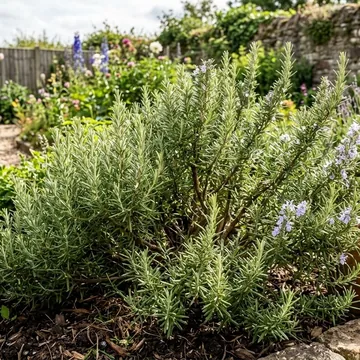
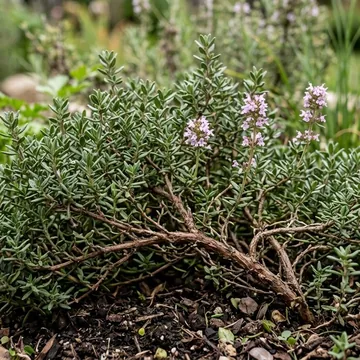
Bay laurel grows well with other Mediterranean herbs like rosemary, thyme, and sage, which share its love of sun and well-drained soil. Avoid planting it near moisture-loving plants such as mint or lettuce, which need constant moisture and can cause root rot in bay.
Growing in containers
Bay laurel is an excellent container plant and can be kept compact with pruning. Use a 10-gallon pot with drainage holes and a well-draining potting mix; in cold climates, move the container indoors to a bright, cool spot before the first frost.
Pro tips
Buy a young plant rather than starting from seed (germination is extremely slow and unreliable). Grow in a large container so it can be moved indoors in cold climates. Very slow growing — harvest lightly the first year. Allow leaves to dry on the branch for best flavour.
Grow Bay Laurels this season
Get bay laurel seeds and supplies matched to your climate.
Shop bay laurel seeds →We may earn a commission when you buy through links on our site. Full disclosure.
Frequently asked questions
How long do Bay Laurels take to grow?
Bay Laurels take about 180–365 days.
What zone does Bay Laurel grow in?
Bay Laurels grow in USDA Hardiness Zones 8a–10b.
Can you grow Bay Laurel in a container?
Yes — Bay Laurels grow well in containers. A 10-gallon pot or larger is ideal.
Is Bay Laurel hard to grow?
Difficulty: Intermediate. Bay laurel is the source of the bay leaf in every spice rack — a slow-growing Mediterranean shrub that can be kept compact in a container. The fresh leaves are far more aromatic than dried store-bought.
Is Bay Laurel safe for dogs and cats?
Bay Laurels are not safe for pets — keep dogs and cats away from the plant.
Grows well with
Companion plants that help bay laurel — improving growth, repelling pests, or attracting pollinators.
More plants to grow
Popular guides readers also check.
🌱 Get bay laurel planting dates for your zone
Get your personalized "what to plant and when" calendar for your zone — plus tips when each crop is ready. Free, unsubscribe anytime.