How to Grow Plum
Zones 3a–9a · Beginner · 3–6 years
PerennialPlums are one of the easiest and most reliable home orchard trees — hardy, adaptable, and heavily productive, with European and Japanese types for different climates.
Light
Water
Soil
Days to harvest
When to plant Plums
Your exact dates depend on your last frost date. Enter your location to get your personalized planting calendar.
In general: direct-sow or transplant after your last frost, and expect harvest ~3–6 years later. See zone 3a →
Growing guide
Overview
Plums are deciduous fruit trees that produce heavy crops of sweet, juicy fruit, and they’re among the most reliable backyard orchard trees once established. European types (Prunus domestica) suit colder zones and Japanese types (Prunus salicina) prefer milder ones. They need full sun, well-drained loamy soil, and moderate water to thrive.
Soil & planting prep
Plant in loamy, well-drained soil with a pH of 6.0–7.0. If your soil is heavy clay, amend with compost and plant on a slight mound to improve drainage. Space standard trees 20–25 feet apart and dwarf types 10–12 feet apart. Dig a hole twice as wide as the root ball and set the tree at the same depth it grew in the nursery.
When to plant
Plant bare-root plum trees in late winter or early spring, about 4–6 weeks before your last frost date, while they’re still dormant. Container-grown trees can go in the ground anytime from early spring through early fall, but avoid planting during summer heat. In cold zones (3–5), plant in early spring so roots establish before winter.
How to plant
- Choose a site with full sun and well-drained soil, spacing trees 10–25 feet apart depending on rootstock.
- Dig a hole twice the width of the root ball and the same depth, and amend the backfill with compost if your soil is poor.
- Set the tree so the graft union sits 2–3 inches above the soil line, then backfill and firm gently.
- Water thoroughly to settle the soil, and apply a 2–3 inch layer of mulch around the base, keeping it a few inches away from the trunk.
- Prune the newly planted tree back to about 24–30 inches tall to encourage branching, and stake if needed.
5 common mistakes to avoid
- Planting a single tree without a compatible pollinator — most plums need a second variety that blooms at the same time, so check pollination groups before buying and plant two compatible trees within 50 feet.
- Skipping fruit thinning — plum trees set far more fruit than they can size, so thin to 4–6 inches apart when fruits are marble-sized, or you’ll get small, crowded fruit and broken branches.
- Planting in a frost pocket or low spot — plum blossoms open early and are easily killed by late frosts, so choose a site with good air drainage and avoid the bottom of a hill.
- Overwatering or planting in poorly drained soil — plums hate wet feet and will develop root rot, so plant on a mound if drainage is questionable and water only when the top inch of soil is dry.
- Neglecting pruning for the first few years — without early training to an open center or modified leader, the canopy becomes dense and shaded, reducing fruit set and encouraging disease.
Harvesting & storage
Plums are ready when they color up fully, feel slightly soft when gently squeezed, and separate easily from the branch with a light twist. Harvest by hand, leaving the stem attached, and eat fresh or refrigerate for up to two weeks. For longer storage, freeze or dry the fruit.
Companion planting
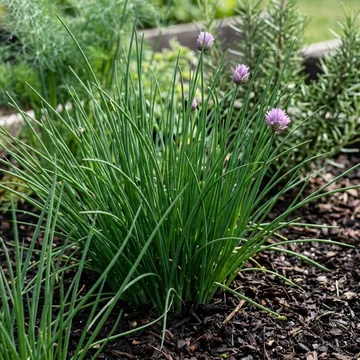
Good companions include clover, chives, and other alliums that may deter pests; avoid planting near black walnut, which releases juglone that can harm plums.
Growing in containers
Plums are not well-suited to containers because they need a large, deep root run and a compatible pollinator nearby. If you must try, use a 20-gallon pot with a dwarf variety, but expect limited fruit and more frequent watering.
Pro tips
Plant in full sun with good drainage. Most need a pollinator, so plant two compatible varieties. Thin fruit for size. Trees bear in 3-6 years.
Grow Plums this season
Get plum seeds and supplies matched to your climate.
Shop plum seeds →We may earn a commission when you buy through links on our site. Full disclosure.
Frequently asked questions
How long do Plums take to grow?
Plums take about 3–6 years.
What zone does Plum grow in?
Plums grow in USDA Hardiness Zones 3a–9a.
Can you grow Plum in a container?
Plums are usually grown in the ground or a large raised bed rather than a container.
Is Plum hard to grow?
Difficulty: Beginner. Plums are one of the easiest and most reliable home orchard trees — hardy, adaptable, and heavily productive, with European and Japanese types for different climates.
Is Plum safe for dogs and cats?
Plums are safe for both dogs and cats.
Grows well with
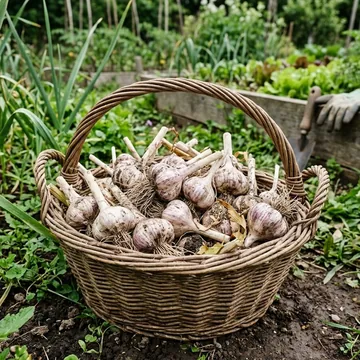
Companion plants that help plum — improving growth, repelling pests, or attracting pollinators.
Keep away from: Potato.
More plants to grow
Popular guides readers also check.
🌱 Get plum planting dates for your zone
Get your personalized "what to plant and when" calendar for your zone — plus tips when each crop is ready. Free, unsubscribe anytime.