How to Grow Cherry
Zones 4a–9a · Intermediate · 3–7 years
PerennialCherry trees — sweet or tart — are a classic home orchard choice, but they need cross-pollination and are magnets for birds, so be ready to net the crop.
Light
Water
Soil
Days to harvest
When to plant Cherries
Your exact dates depend on your last frost date. Enter your location to get your personalized planting calendar.
In general: direct-sow or transplant after your last frost, and expect harvest ~3–7 years later. See zone 4a →
Growing guide
Overview
Cherry trees are deciduous fruit trees grown for their sweet or tart fruit, and they’re a rewarding long-term investment for home orchards. They need full sun, well-drained soil, and patience—most bear fruit 3 to 6 years after planting. Hardy in USDA zones 4a–9a, they thrive with consistent moisture and good air circulation.
Soil & planting prep
Cherries prefer loamy, well-drained soil with a pH between 6.0 and 7.0. Amend heavy clay with compost to improve drainage, as soggy roots can kill the tree. Plant trees 15–20 feet apart to allow for mature spread and air flow.
When to plant
Plant bare-root cherry trees in late winter or early spring, as soon as the soil can be worked and before buds break—typically 4–6 weeks before your last frost date. In colder zones (4–5), wait until the ground thaws but still plant while dormant. Potted trees can be planted in early spring after the last frost, but avoid planting during summer heat.
How to plant
- Choose a site in full sun with well-drained soil; dig a hole twice as wide as the root ball but no deeper than the root flare.
- Soak bare-root trees in water for 1–2 hours before planting; for potted trees, water the root ball thoroughly.
- Set the tree in the hole so the graft union is 2–3 inches above the soil line, and backfill with native soil, tamping gently to remove air pockets.
- Water deeply to settle the soil, then mulch with 2–3 inches of organic matter, keeping mulch away from the trunk.
- Prune the whip to about 30 inches tall to encourage branching, and stake the tree if it’s in a windy site.
5 common mistakes to avoid
- Planting a single sweet cherry tree without a compatible pollinator—sweet cherries are not self-fertile and need a different variety nearby that blooms at the same time; tart cherries are usually self-fertile, so check the tag.
- Planting in a low spot where water pools—cherries are very sensitive to poor drainage and will decline or die; always plant on a slight mound or raised bed if drainage is questionable.
- Skipping netting as fruit ripens—birds can strip a whole crop in days; cover trees with bird netting once the fruit starts to color.
- Pruning in late winter or early spring when wounds are wet—this invites bacterial canker and gummosis; prune in dry summer weather instead.
- Overfertilizing with nitrogen—this pushes leafy growth at the expense of fruit and makes the tree more susceptible to pests and diseases; only fertilize if growth is weak, and base it on a soil test.
Harvesting & storage
Cherries are ready when they are fully colored, plump, and pull easily from the stem with a gentle tug—taste one to confirm sweetness. Harvest in the cool of the morning, picking with the stems attached to keep them fresh longer. Store unwashed cherries in the refrigerator for up to a week; wash just before eating.
Companion planting
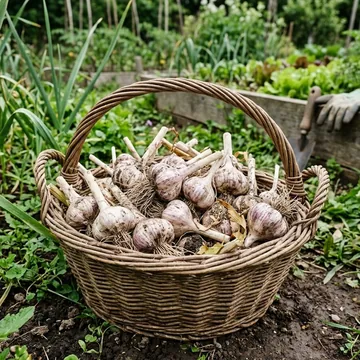
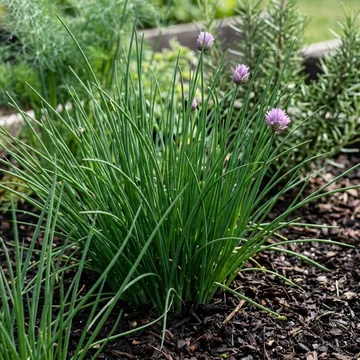
Good companions for cherry trees include chives, garlic, and marigolds, which may help repel pests. Avoid planting near black walnut trees, which produce juglone that can stunt or kill cherries.
Growing in containers
Cherry trees are not well-suited to containers because of their large size and extensive root system; they are best grown in the ground. If you must try, use a 20-gallon container with a dwarf rootstock, but expect limited fruit and more maintenance.
Pro tips
Plant two compatible varieties for pollination (unless tart/self-fertile). Site in full sun with good air flow. Net ripening fruit against birds. Trees bear in 3-6 years.
Grow Cherries this season
Get cherry seeds and supplies matched to your climate.
Shop cherry seeds →We may earn a commission when you buy through links on our site. Full disclosure.
Frequently asked questions
How long do Cherries take to grow?
Cherries take about 3–7 years.
What zone does Cherry grow in?
Cherries grow in USDA Hardiness Zones 4a–9a.
Can you grow Cherry in a container?
Cherries are usually grown in the ground or a large raised bed rather than a container.
Is Cherry hard to grow?
Difficulty: Intermediate. Cherry trees — sweet or tart — are a classic home orchard choice, but they need cross-pollination and are magnets for birds, so be ready to net the crop.
Is Cherry safe for dogs and cats?
Cherries are safe for both dogs and cats.
Grows well with
Companion plants that help cherry — improving growth, repelling pests, or attracting pollinators.
Keep away from: Potato.
More plants to grow
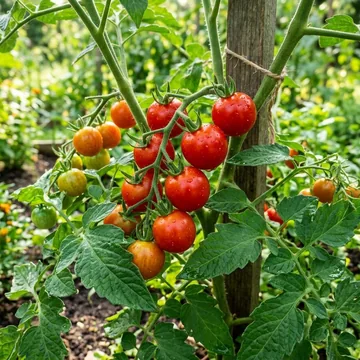
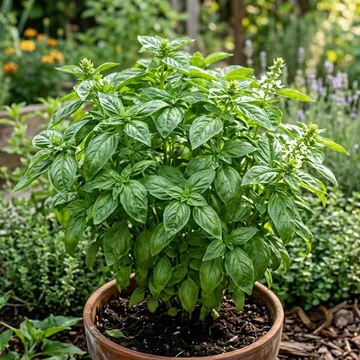
Popular guides readers also check.
🌱 Get cherry planting dates for your zone
Get your personalized "what to plant and when" calendar for your zone — plus tips when each crop is ready. Free, unsubscribe anytime.