How to Grow Olive
Zones 8a–11b · Intermediate · Perennial
Container-friendlyBalcony/patioPerennialDeer-resistant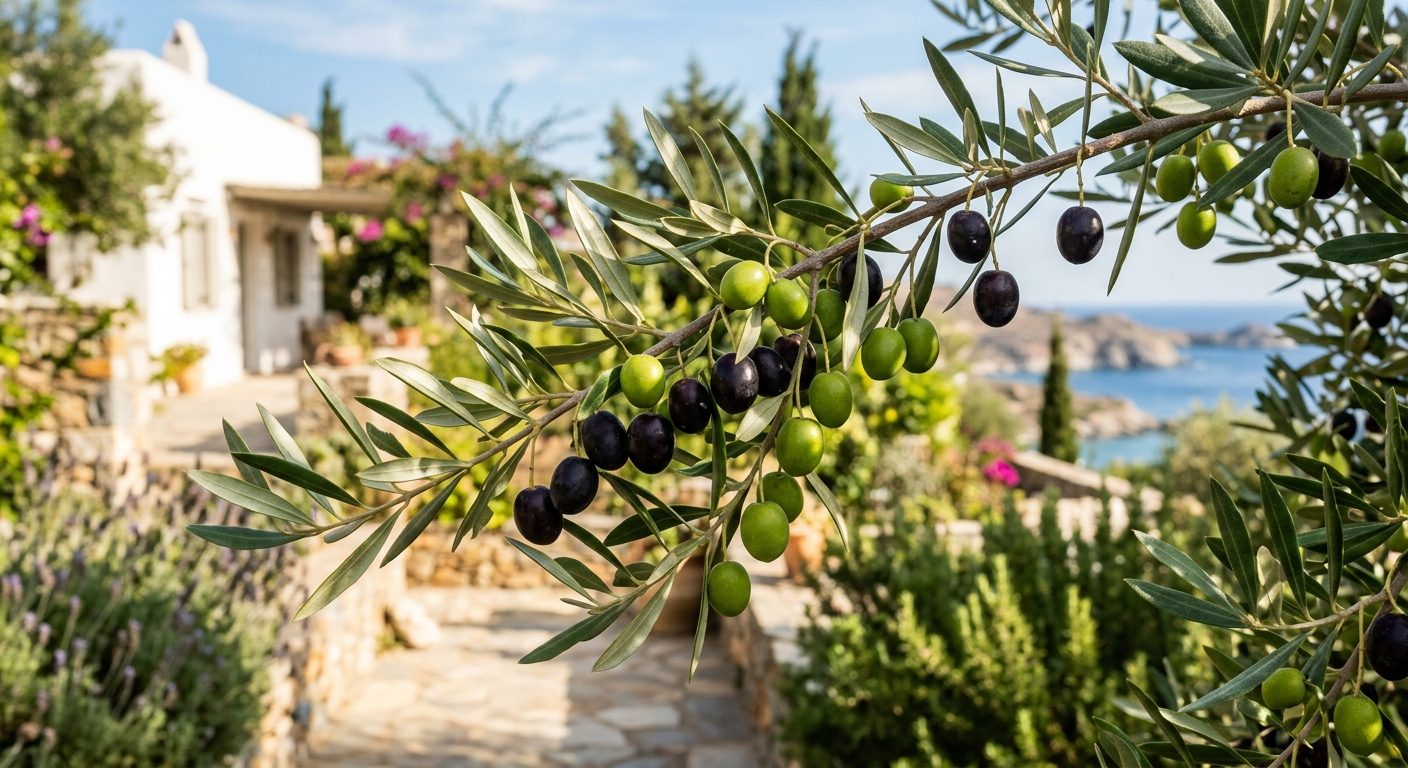
Olive trees are drought-tolerant long-lived and thrive in poor soil — once established they need very little attention.
Light
Water
Soil
Days to harvest
When to plant Olives
Your exact dates depend on your last frost date. Enter your location to get your personalized planting calendar.
In general: direct-sow or transplant after your last frost, and expect harvest starting the following season. See zone 8a →
Growing guide
Overview
Olive is a long-lived Mediterranean fruit tree grown for its oil and table fruit. Growers value it for its drought tolerance, silvery-green foliage, and ability to thrive in poor, well-drained soil. It needs full sun, low water once established, and dry, warm conditions to fruit well.
Soil & planting prep
Ideal soil is sandy or loamy and well-drained; olives tolerate alkaline pH, generally around 6.5–8.0. Space standard trees 20–30 feet apart; smaller multi-trunk or compact forms can be spaced 10–12 feet apart. Plant at the same depth as the nursery container, and avoid heavy clay unless you create a raised bed or mound.
When to plant
Plant in spring after your last frost date once nighttime temperatures are reliably above 40°F. Do not plant in fall where winters dip below freezing, because young olive trees are not frost-tolerant and need a full season to establish before winter.
How to plant
- Choose a full-sun spot with excellent drainage, ideally a slope, mound, or raised bed. Avoid low spots where water collects.
- Dig a hole twice as wide and exactly as deep as the root ball. Space standard trees 20–30 feet apart; compact or multi-trunk forms can be 10–12 feet apart.
- Set the tree in the hole so the top of the root ball is level with the surrounding soil. Do not bury the graft union or trunk.
- Backfill with the original soil, firm gently, and water slowly to settle air pockets. Add a 2–3 inch mulch layer, keeping it a few inches away from the trunk.
- Water deeply once or twice a week during the first season to establish roots, then gradually reduce watering as the tree matures.
5 common mistakes to avoid
- Planting in heavy or low-lying soil that holds water. Olives hate wet feet and often die from root rot; plant on a slope, mound, or raised bed, or grow in a large container with gritty mix.
- Keeping mature trees on a regular lawn-irrigation schedule. Established olives are low-water, and constant moisture can reduce fruit quality and encourage root disease; water deeply only when the root zone is dry.
- Assuming every olive tree will fruit alone. Many olive cultivars need a second compatible cultivar nearby for good pollination; check pollination needs and plant two compatible trees or a self-fruitful variety.
- Planting in fall in zones with winter frost. Young olive trees are not frost-tolerant and can be killed before they establish; wait until after the last spring frost to plant.
- Pruning olives like a typical hedge or fruit tree. Olive fruit forms on one-year-old wood, and heavy annual shearing removes that bearing wood; prune lightly after harvest to remove dead, crossing, or crowded branches only.
Harvesting & storage
Olives are ready when fruit turns from green to straw, red-purple, or black, depending on the cultivar. Harvest by hand into shallow containers to avoid bruising. Fresh olives are extremely bitter and must be cured or pressed promptly after picking.
Companion planting
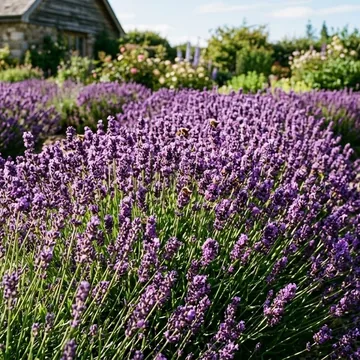
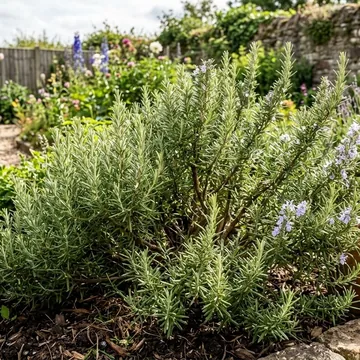
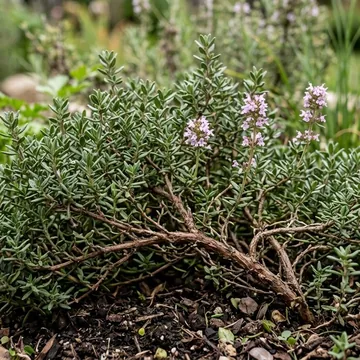
Good underplantings include dry-loving Mediterranean herbs such as lavender, rosemary, thyme, and oregano. Avoid moisture-loving plants that require frequent summer irrigation, which can keep olive roots too wet.
Growing in containers
Olive grows well in a container; use at least a 10-gallon pot with drainage holes and a gritty, well-drained potting mix. In colder zones, move the container to a bright, cool, frost-free spot before hard frost.
Pro tips
Plant in the most well-drained sunny spot available. Drought-tolerant once established. Can be grown in containers in cold zones — bring indoors before hard frost. Need two trees or a self-fertile variety for fruit.
Grow Olives this season
Get olive seeds and supplies matched to your climate.
Shop olive seeds →We may earn a commission when you buy through links on our site. Full disclosure.
Frequently asked questions
How long do Olives take to grow?
Olives take about Perennial.
What zone does Olive grow in?
Olives grow in USDA Hardiness Zones 8a–11b.
Can you grow Olive in a container?
Yes — Olives grow well in containers. A 10-gallon pot or larger is ideal.
Is Olive hard to grow?
Difficulty: Intermediate. Olive trees are drought-tolerant long-lived and thrive in poor soil — once established they need very little attention.
Is Olive safe for dogs and cats?
Olives are safe for both dogs and cats.
Grows well with
Companion plants that help olive — improving growth, repelling pests, or attracting pollinators.
More plants to grow
Popular guides readers also check.
🌱 Get olive planting dates for your zone
Get your personalized "what to plant and when" calendar for your zone — plus tips when each crop is ready. Free, unsubscribe anytime.