How to Grow Mango
Zones 10a–11b · Advanced · Perennial
Container-friendlyIndoor-friendlyPerennial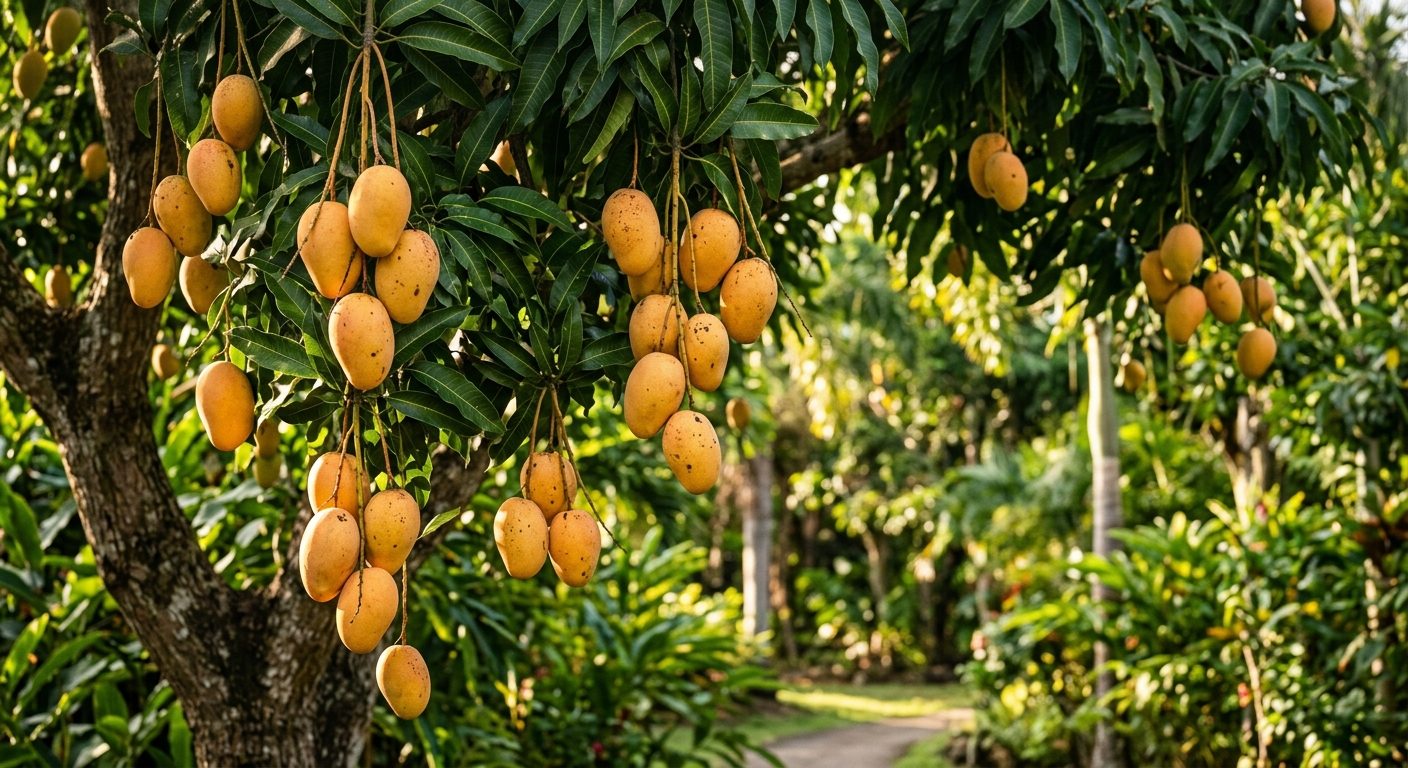
Mangoes are tropical trees that thrive only in frost-free subtropical and tropical climates.
Light
Water
Soil
Days to harvest
When to plant Mangos
Your exact dates depend on your last frost date. Enter your location to get your personalized planting calendar.
In general: direct-sow or transplant after your last frost, and expect harvest starting the following season. See zone 10a →
Growing guide
Overview
Mango (Mangifera indica) is a tropical evergreen tree grown for its sweet, aromatic fruit. It’s a long-term investment: grafted trees can take 3–5 years to fruit, but a healthy tree produces for decades. It needs full sun, moderate water, and, above all, frost-free conditions — hardy only in USDA zones 10a–11b.
Soil & planting prep
Mangoes demand well-drained soil; they rot in heavy clay or waterlogged ground. Sandy or loamy soil with a pH of 5.5–7.5 is ideal. Plant at the same depth the tree grew in its nursery pot — the graft union should sit 2–4 inches above the soil line. Space standard trees 20–25 feet apart; dwarf varieties can go 10–12 feet apart.
When to plant
Plant mangoes in spring or early summer, after the last frost date and once the soil has warmed to at least 70°F. In frost-free zones (10a–11b), you can also plant in early fall, giving roots time to establish before the cool season. Mangoes are not frost-tolerant; never plant before the last frost date, and avoid planting in mid-summer heat unless you can water consistently.
How to plant
- Choose a site in full sun with at least 8 hours of direct light and soil that drains within a few hours of heavy rain.
- Dig a hole twice as wide as the root ball but no deeper than the root ball itself.
- Set the tree in the hole so the top of the root ball is level with or 1 inch above the surrounding soil; backfill with native soil, not amended soil.
- Water thoroughly to settle the soil, then water every 2–3 days for the first two weeks, tapering to once a week.
- Mulch with 2–3 inches of coarse bark or straw, keeping mulch 6 inches away from the trunk to prevent rot.
5 common mistakes to avoid
- Planting in heavy clay or poorly drained soil: mango roots suffocate and the tree declines within months. Always check drainage first and plant on a mound if needed.
- Watering too often: mangoes are moderately drought-tolerant once established, and constant moisture invites root rot and anthracnose. Let the top 2–3 inches of soil dry between waterings.
- Planting too deep: burying the graft union or trunk flare causes crown rot, a common killer. Keep the graft union 2–4 inches above the soil line.
- Ignoring frost: even a light frost can kill a young mango. In zones below 10a, grow in a container and move it indoors before temperatures drop below 40°F.
- Failing to protect from wind: strong winds desiccate flowers and knock off young fruit. Plant in a sheltered spot or use a windbreak.
Harvesting & storage
Mangoes are ready when they change color (depending on variety, from green to yellow, orange, or red), feel slightly soft when gently squeezed, and detach easily from the stem. Cut the fruit with a short stem attached, then let it ripen at room temperature until fully soft. Store ripe mangoes in the refrigerator for up to a week.
Companion planting
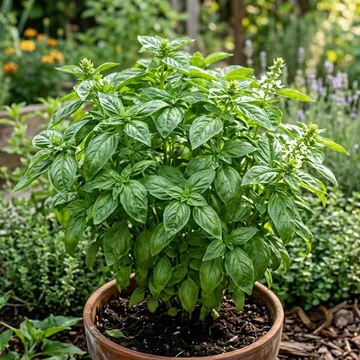
Good companions include nitrogen-fixing legumes like pigeon pea and low-growing herbs such as basil or comfrey. Avoid planting near large trees that shade or compete for water, and keep away from lawn grasses that demand frequent irrigation.
Growing in containers
Mangoes are container-friendly if you use a dwarf variety and a 20-gallon pot with drainage holes. In zones below 10a, grow indoors in a sunny south-facing window or under grow lights; they rarely fruit indoors but make attractive foliage plants.
Pro tips
Outdoors only in Zone 10a-11. In all other zones grow a dwarf variety in a large container indoors with a south-facing window or grow light. They rarely fruit indoors but grow as striking houseplants.
Grow Mangos this season
Get mango seeds and supplies matched to your climate.
Shop mango seeds →We may earn a commission when you buy through links on our site. Full disclosure.
Frequently asked questions
How long do Mangos take to grow?
Mangos take about Perennial.
What zone does Mango grow in?
Mangos grow in USDA Hardiness Zones 10a–11b.
Can you grow Mango in a container?
Yes — Mangos grow well in containers. A 20-gallon pot or larger is ideal.
Is Mango hard to grow?
Difficulty: Advanced. Mangoes are tropical trees that thrive only in frost-free subtropical and tropical climates.
Is Mango safe for dogs and cats?
Mangos are not safe for pets — keep dogs and cats away from the plant.
Grows well with
Companion plants that help mango — improving growth, repelling pests, or attracting pollinators.
More plants to grow
Popular guides readers also check.
🌱 Get mango planting dates for your zone
Get your personalized "what to plant and when" calendar for your zone — plus tips when each crop is ready. Free, unsubscribe anytime.