How to Grow Mint
Zones 3a–9b · Beginner · Perennial
Container-friendlyBalcony/patioIndoor-friendlyPerennial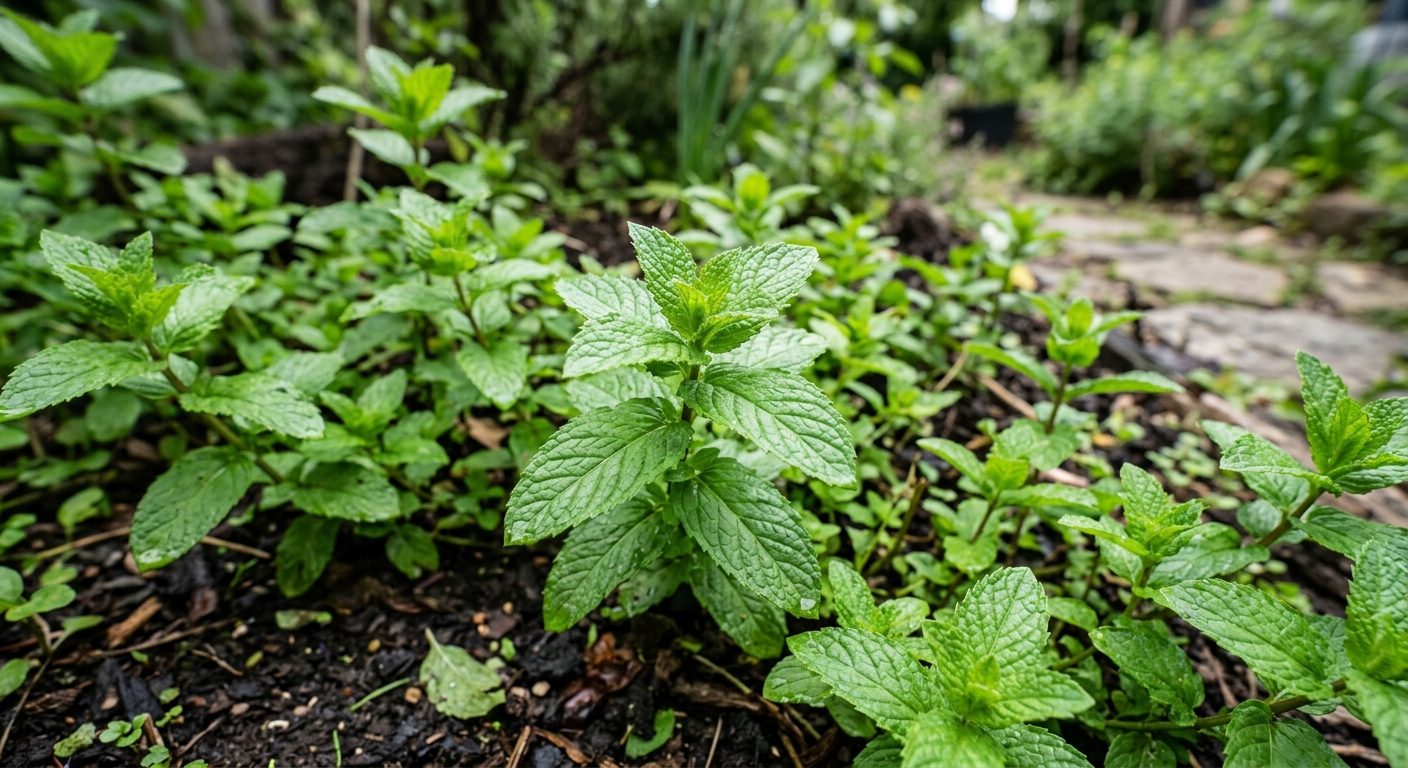
Mint is extremely vigorous — grow in containers to prevent it from taking over your garden.
Light
Water
Soil
Days to harvest
When to plant Mints
Your exact dates depend on your last frost date. Enter your location to get your personalized planting calendar.
In general: direct-sow or transplant after your last frost, and expect harvest starting the following season. See zone 3a →
Growing guide
Overview
Mint is a fast-spreading perennial herb grown for its aromatic leaves. Gardeners like it for teas, cocktails, sauces, and its easy low-maintenance growth. It thrives in partial sun, moderate moisture, and well-drained loamy or clay soils in zones 3a–9b.
Soil & planting prep
Mint grows best in rich, moisture-retentive but well-drained loam or clay-loam with a pH near 6.0–7.0. Space plants 18–24 inches apart, and plant transplants or root divisions at the same depth they were growing. Mix compost into the top 6 inches of soil to improve moisture holding without waterlogging.
When to plant
Plant mint outdoors in spring as soon as the soil can be worked, about 2–3 weeks before your average last frost date. Mint is frost tolerant, so light spring frosts will not kill established transplants. Avoid planting in fall, especially in cold climates, because new plants may not establish enough before winter.
How to plant
- Choose a container at least 3 gallons wide, or use a garden spot with a solid root barrier to contain the runners.
- Fill the pot or planting bed with well-drained loam or clay-loam amended with compost; avoid soggy soil.
- Plant transplants or rooted cuttings at the same soil depth they were growing, spacing multiple plants 18–24 inches apart.
- Water thoroughly after planting and keep the soil evenly moist for the first two weeks while roots settle.
- Place the container or bed in partial sun, about 4–6 hours of direct light per day, and mulch lightly around plants.
5 common mistakes to avoid
- Planting mint in open garden soil without a root barrier. Mint spreads by underground runners and will quickly escape into adjacent beds, so always keep it in a pot or a contained bed.
- Letting mint dry out completely. Its shallow roots need even moisture; drought stress causes leaf drop and weak flavor, so water when the top inch of soil feels dry.
- Growing mint in deep shade. Too little light makes stems leggy and reduces essential oil flavor; give it partial sun with 4–6 hours of direct light.
- Harvesting too little. Without regular pinching and cutting, mint flowers early and becomes tall and woody, so harvest or trim tips weekly during active growth.
- Leaving mint in the same container for years. Rootbound plants decline and roots can escape drainage holes; divide and repot every 2–3 years to keep growth vigorous.
Harvesting & storage
Mint is ready when stems are about 6–8 inches tall and have several sets of leaves. Snip stems just above a leaf pair, and never remove more than about one-third of the plant at once. Store fresh stems in a glass of water in the refrigerator, or dry or freeze leaves for longer storage.
Companion planting
Grow containerized mint near cabbage-family crops, tomatoes, or peppers, where its scent may help deter some pests. Do not plant it directly in the ground among slower-growing herbs or vegetables, because mint will outcompete them.
Growing in containers
Mint is one of the best herbs for containers and should usually be grown this way to control spread. Choose a pot at least 3 gallons with drainage holes, use a quality potting mix, and place it on a hard surface rather than open soil so runners cannot escape.
Pro tips
Plant in a container always — mint will spread aggressively otherwise. Harvest regularly to encourage bushy growth. Cut to the ground occasionally to rejuvenate. Easy to overwinter indoors.
Grow Mints this season
Get mint seeds and supplies matched to your climate.
Shop mint seeds →We may earn a commission when you buy through links on our site. Full disclosure.
Frequently asked questions
How long do Mints take to grow?
Mints take about Perennial.
What zone does Mint grow in?
Mints grow in USDA Hardiness Zones 3a–9b.
Can you grow Mint in a container?
Yes — Mints grow well in containers. A 3-gallon pot or larger is ideal.
Is Mint hard to grow?
Difficulty: Beginner. Mint is extremely vigorous — grow in containers to prevent it from taking over your garden.
Is Mint safe for dogs and cats?
Mints are not safe for pets — keep dogs and cats away from the plant.
Grows well with
Companion plants that help mint — improving growth, repelling pests, or attracting pollinators.
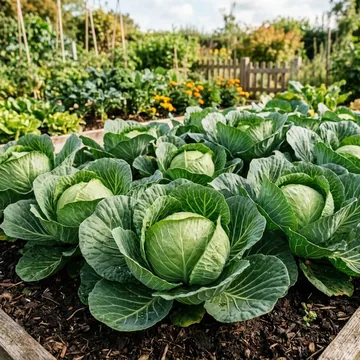
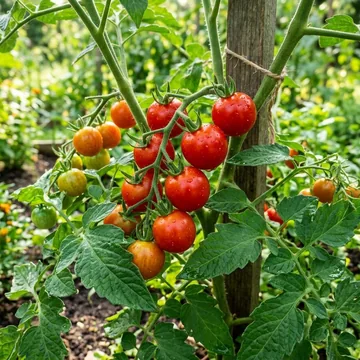
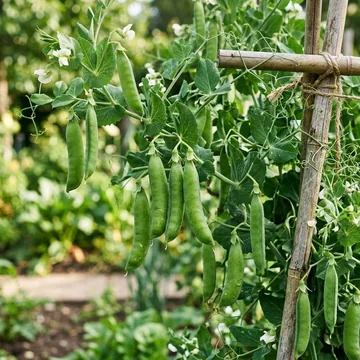
Keep away from: Parsley, German Chamomile.
More plants to grow
Popular guides readers also check.
🌱 Get mint planting dates for your zone
Get your personalized "what to plant and when" calendar for your zone — plus tips when each crop is ready. Free, unsubscribe anytime.