How to Grow Stevia
Zones 8a–11b · Intermediate · 60–80 days
Container-friendlyBalcony/patioIndoor-friendlyPerennialDeer-resistant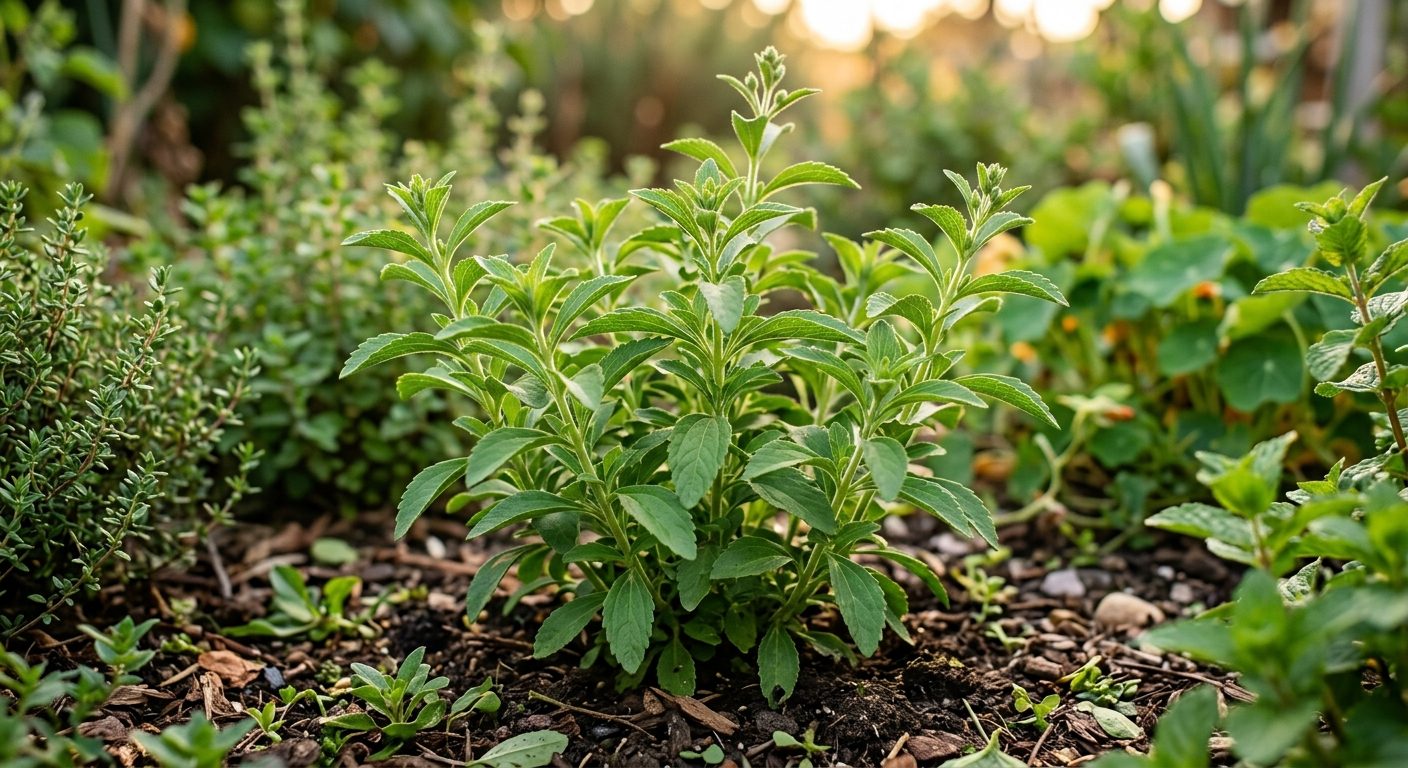
Stevia is the natural zero-calorie sweetener — the leaves are 200-300 times sweeter than sugar. Easy to grow as a container plant and overwinter indoors in cold climates.
Light
Water
Soil
Days to harvest
Start indoors
When to plant Stevias
Your exact dates depend on your last frost date. Enter your location to get your personalized planting calendar.
In general: start seeds indoors 8 weeks before your last frost, and expect harvest ~60–80 days later. See zone 8a →
Growing guide
Overview
Stevia is a tender perennial herb grown for leaves that are naturally 200-300 times sweeter than sugar by weight. Gardeners grow it as a low-calorie sweetener source and as a productive container herb. It thrives in full sun, well-drained loamy or sandy soil, and consistent moderate moisture.
Soil & planting prep
Choose a loamy or sandy, well-drained site. Space transplants 12-18 inches apart and set them at the same depth they were growing in their pots. Stevia grows best in slightly acidic to neutral soil, around pH 6.0-7.0, but drainage is more important than perfect fertility.
When to plant
Start stevia seeds indoors 8 weeks before your average last spring frost date. Do not move plants outside until all frost danger has passed and nighttime lows stay reliably above about 50°F, since stevia is not frost-tolerant and is not a fall-planted crop. In USDA zones 8a-11b, plant in early spring after the last frost.
How to plant
- Start seeds indoors 8 weeks before the last frost using a moist, well-draining seed-starting mix. Sow seeds on the surface and press them in lightly; do not cover them because stevia seeds need light to germinate.
- Keep the tray around 68-75°F and the mix evenly moist but not soggy. Germination is often slow or spotty, so sow extra seeds or start from transplants if available.
- Harden off seedlings for 7-10 days once outdoor temperatures stay above 50°F and all frost danger has passed.
- Choose a full-sun location with loamy or sandy, well-drained soil. Space transplants 12-18 inches apart and plant them at the same depth as their container root ball.
- Water transplants in thoroughly after planting and apply a light mulch to help retain soil moisture, keeping the mulch pulled back from the stems.
5 common mistakes to avoid
- Starting with old or buried stevia seed and then giving up after poor germination, because stevia seed is naturally slow and low-viability; buy transplants or sow fresh seed on the soil surface where it receives light.
- Putting plants outside before the last frost or while nights are still cool, because stevia is frost-tender and cold-stressed; wait until all frost danger has passed and nighttime lows stay above about 50°F.
- Letting flower buds develop and open before harvest, because leaf sweetness peaks before flowering and declines after; pinch buds or cut stems as soon as flower heads appear.
- Keeping the soil constantly wet or planting in heavy clay, because stevia roots rot in poorly drained soil; use loamy or sandy well-drained soil and water only when the top inch of soil feels dry.
- Leaving outdoor plants in the ground over winter in zones colder than 8a, because stevia will not survive hard frost; grow it in a 3-gallon pot and move it indoors before cold weather arrives.
Harvesting & storage
Begin harvesting once plants are bushy and well-established, typically 60-80 days after transplanting. Cut stems before flower buds open, when leaf sweetness is at its peak. Use leaves fresh, or dry stems in a warm, airy spot, then strip and crush the dried leaves and store them in an airtight container away from light.
Companion planting
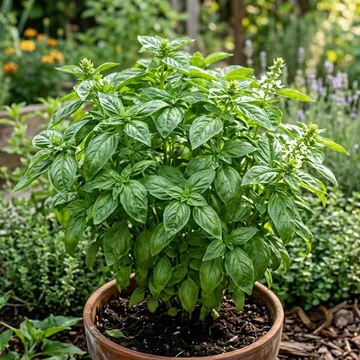
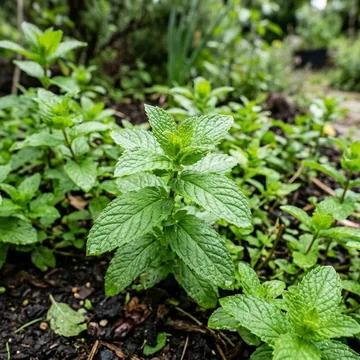
Stevia grows well alongside basil, oregano, and other warm-season herbs that need full sun and well-drained soil. Keep it away from aggressive spreaders like mint, which can crowd it out.
Growing in containers
Stevia is well suited to containers. Use a 3-gallon pot with drainage holes and a well-drained potting mix; in zones colder than 8a, this makes it easy to move the plant indoors before fall frost to overwinter.
Pro tips
Start from transplants (seeds have low germination). Grow in a pot and overwinter indoors in frost-prone zones. Harvest leaves before the plant flowers — sweetness peaks pre-flower. Dry leaves and crush for sweetener.
Grow Stevias this season
Get stevia seeds and supplies matched to your climate.
Shop stevia seeds →We may earn a commission when you buy through links on our site. Full disclosure.
Frequently asked questions
How long do Stevias take to grow?
Stevias take about 60–80 days, plus 8 weeks to start seeds indoors.
What zone does Stevia grow in?
Stevias grow in USDA Hardiness Zones 8a–11b.
Can you grow Stevia in a container?
Yes — Stevias grow well in containers. A 3-gallon pot or larger is ideal.
Is Stevia hard to grow?
Difficulty: Intermediate. Stevia is the natural zero-calorie sweetener — the leaves are 200-300 times sweeter than sugar. Easy to grow as a container plant and overwinter indoors in cold climates.
Is Stevia safe for dogs and cats?
Stevias are safe for both dogs and cats.
Grows well with
Companion plants that help stevia — improving growth, repelling pests, or attracting pollinators.
More plants to grow
Popular guides readers also check.
🌱 Get stevia planting dates for your zone
Get your personalized "what to plant and when" calendar for your zone — plus tips when each crop is ready. Free, unsubscribe anytime.