How to Grow Kale
Zones 2a–9b · Beginner · 55–75 days
Container-friendlyBalcony/patioIndoor-friendlyPerennialDeer-resistant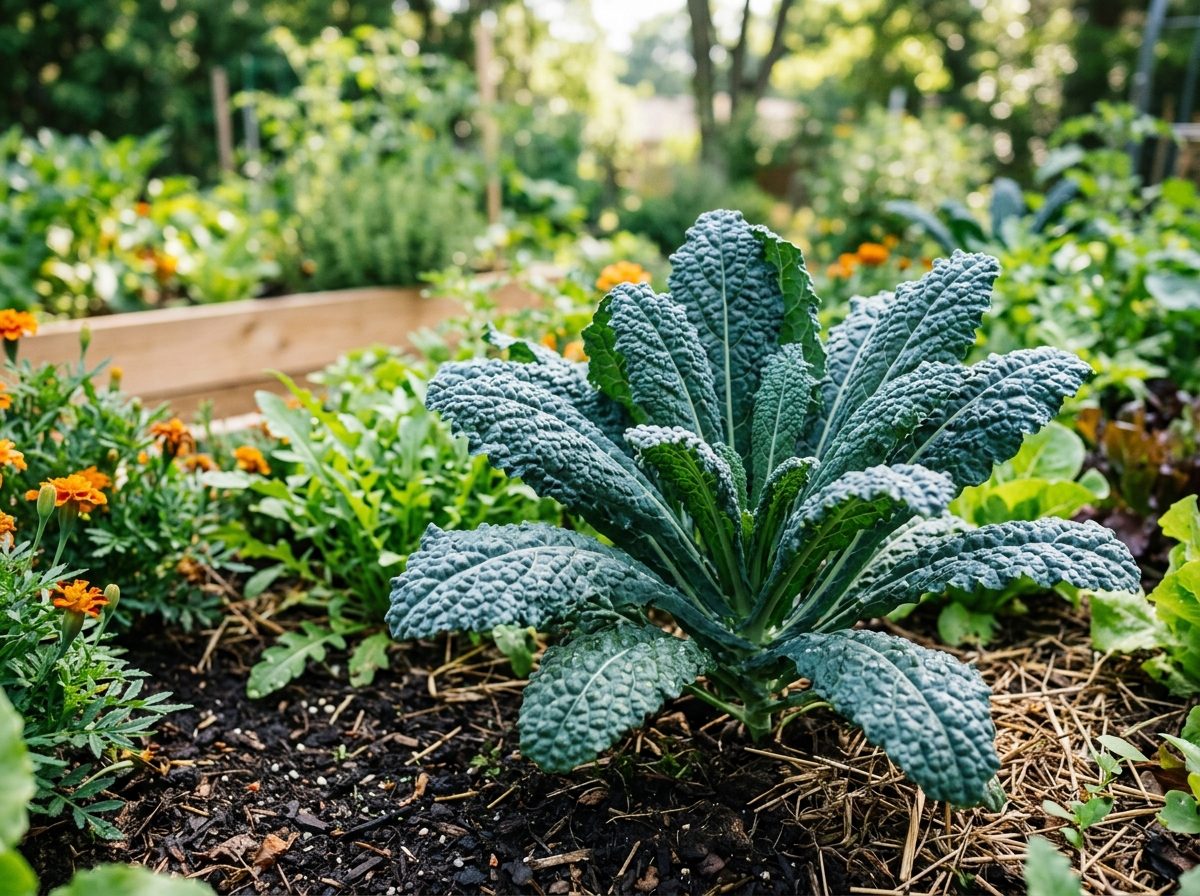
Kale is one of the hardiest vegetables available — it survives hard frosts and tastes sweeter after a freeze.
Light
Water
Soil
Days to harvest
Start indoors
When to plant Kales
Your exact dates depend on your last frost date. Enter your location to get your personalized planting calendar.
In general: start seeds indoors 4 weeks before your last frost, and expect harvest ~55–75 days later. See zone 2a →
Growing guide
Overview
Kale is a cold-hardy leafy brassica that survives hard frosts and often tastes sweeter after a freeze. Growers value it for long harvests from a single plant and its wide hardiness range. It thrives in full sun, moderately moist, well-drained loamy or clay soil.
Soil & planting prep
Kale grows best in well-drained loamy or clay soil with a pH between 6.0 and 7.5. Work compost or aged manure into the bed before planting to feed leafy growth. Sow seeds about 1/4 to 1/2 inch deep and space plants 12 to 18 inches apart.
When to plant
For a spring crop, start seeds indoors about 4 weeks before your last frost date, then transplant seedlings out 2 to 4 weeks before the last frost because kale is frost-tolerant. For a fall and winter crop, direct sow in late summer, about 6 to 8 weeks before your first fall frost.
How to plant
- Start seeds indoors 4 weeks before the last frost, sowing them 1/4 inch deep in trays.
- Harden off seedlings for about a week, then transplant them outside 2 to 4 weeks before the last frost, spacing plants 12 to 18 inches apart.
- For a fall crop, direct sow seeds in late summer, 1/4 to 1/2 inch deep and 12 to 18 inches apart.
- Water moderately to keep the soil evenly moist but not soggy, especially while plants are young.
- Apply mulch around plants to keep roots cool, hold moisture, and reduce weeds.
5 common mistakes to avoid
- Planting a main spring crop too late so kale matures in summer heat — heat makes leaves bitter and triggers bolting. Set out seedlings early, about 2 to 4 weeks before the last frost, instead of waiting for warm weather.
- Harvesting whole plants instead of picking outer leaves — this ends the plant’s production. Leave the central growing tip and take only the lowest, oldest leaves so it keeps leafing out.
- Ignoring cabbage worms, loopers, and aphids — these brassica pests can skeletonize leaves and hide in new growth. Check leaf undersides weekly and use row cover or targeted treatments early.
- Crowding kale seedlings — tight spacing reduces airflow, encourages mildew, and produces small leaves. Thin or transplant to 12 to 18 inches apart.
- Planting into compacted or acidic soil without compost — kale roots need steady moisture and nutrients, and leafy growth suffers in poor soil. Work compost into the bed and aim for a pH near 6.0 to 7.5 before planting.
Harvesting & storage
Kale is ready to pick when outer leaves are about 6 to 8 inches long, usually 55 to 75 days after seeding. Harvest by cutting or snapping the oldest outer leaves and leave the central bud to keep producing. Store unwashed leaves in a plastic bag in the refrigerator for up to a week; for longer storage, blanch and freeze.
Companion planting
Good companions include beets, onions, garlic, and dill. Avoid planting kale right next to strawberries, and space it away from other brassicas to reduce shared cabbage-worm and aphid pressure.
Growing in containers
Kale grows well in containers; give one plant at least a 3-gallon pot with well-draining potting mix, full sun, and consistent moisture. Larger containers are better for multiple plants.
Pro tips
Sow indoors 4-6 weeks before last frost or direct sow in late summer for fall harvest. Harvest outer leaves to keep the plant producing. Cold-hardy varieties survive winter in Zone 7+.
Grow Kales this season
Get kale seeds and supplies matched to your climate.
Shop kale seeds →We may earn a commission when you buy through links on our site. Full disclosure.
Frequently asked questions
How long do Kales take to grow?
Kales take about 55–75 days, plus 4 weeks to start seeds indoors.
What zone does Kale grow in?
Kales grow in USDA Hardiness Zones 2a–9b.
Can you grow Kale in a container?
Yes — Kales grow well in containers. A 3-gallon pot or larger is ideal.
Is Kale hard to grow?
Difficulty: Beginner. Kale is one of the hardiest vegetables available — it survives hard frosts and tastes sweeter after a freeze.
Is Kale safe for dogs and cats?
Kales are safe for both dogs and cats.
Grows well with
Companion plants that help kale — improving growth, repelling pests, or attracting pollinators.
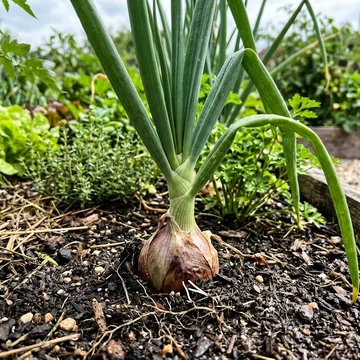
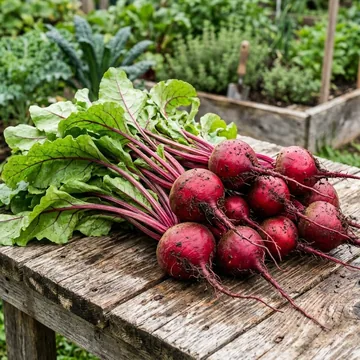
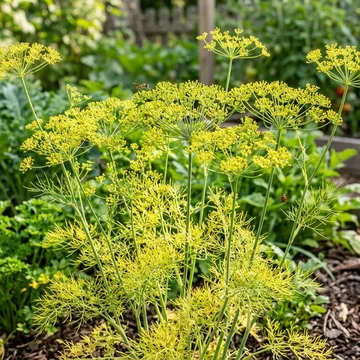
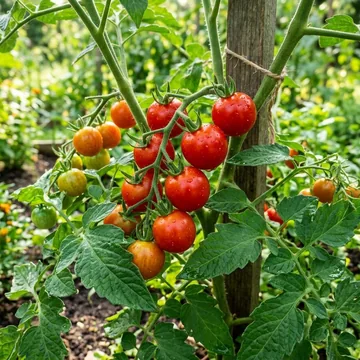
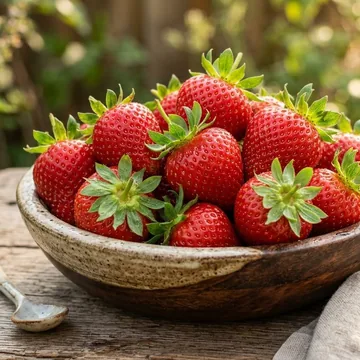
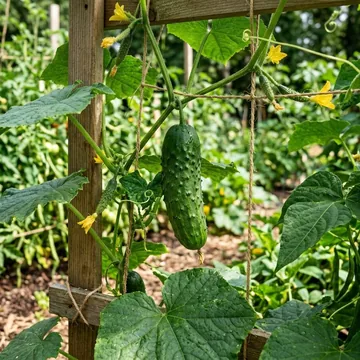
Keep away from: Tomato, Strawberry.
More plants to grow
Popular guides readers also check.
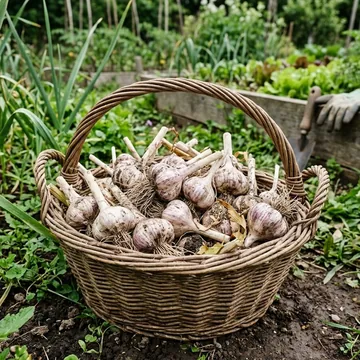
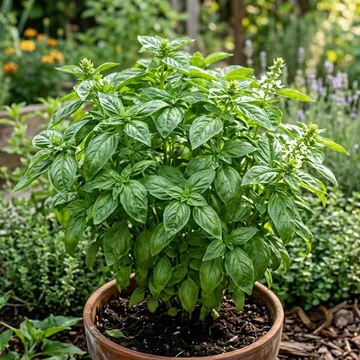
🌱 Get kale planting dates for your zone
Get your personalized "what to plant and when" calendar for your zone — plus tips when each crop is ready. Free, unsubscribe anytime.