How to Grow Pear
Zones 3a–9a · Beginner · 3–7 years
PerennialPears are among the most reliable and pest-tolerant home fruit trees — long-lived, productive, and less fussy than apples or stone fruit.
Light
Water
Soil
Days to harvest
When to plant Pears
Your exact dates depend on your last frost date. Enter your location to get your personalized planting calendar.
In general: direct-sow or transplant after your last frost, and expect harvest ~3–7 years later. See zone 3a →
Growing guide
Overview
Pear trees are long-lived, productive fruit trees that are easier to grow than apples or stone fruit and are less bothered by pests. They need full sun, moderate water, and well-drained soil, and most varieties require a compatible pollinator to set fruit. Once established, a healthy tree can bear fruit for decades.
Soil & planting prep
Pears grow best in loamy, well-drained soil with a pH between 6.0 and 7.0. Before planting, amend heavy clay or sandy soil with compost to improve drainage and fertility. Space standard trees 20 to 25 feet apart and dwarf varieties 10 to 15 feet apart, planting at the same depth they grew in the nursery.
When to plant
Plant pear trees in early spring, after the last frost date has passed and the soil is workable but still cool. In mild-winter areas (zones 8–9), you can also plant in late fall or winter while the tree is dormant. Avoid planting during the heat of summer or when the ground is frozen.
How to plant
- Choose a site in full sun with well-drained soil, away from buildings and other trees.
- Dig a hole twice as wide as the root ball and just as deep, so the graft union sits 2 inches above the soil line.
- Set the tree in the hole, spread the roots, and backfill with native soil, tamping gently to remove air pockets.
- Water thoroughly, then apply a 2- to 3-inch layer of mulch around the base, keeping it a few inches away from the trunk.
- If planting a bare-root tree, soak the roots in water for 1–2 hours before planting; for container trees, slide the root ball out carefully and loosen circling roots.
5 common mistakes to avoid
- Planting only one pear tree: most varieties are self-incompatible and need a different compatible variety nearby for cross-pollination, so you get little to no fruit.
- Burying the graft union: if the swollen graft joint is below the soil line, the scion can root and the tree may sucker or die; always keep it 2 inches above the soil.
- Overwatering or poor drainage: pears hate soggy roots and will decline or die in waterlogged soil, so plant in raised beds or amend heavy clay before planting.
- Ignoring fire blight: this bacterial disease strikes pear trees, especially in warm, wet springs; choose resistant varieties and prune out infected branches promptly to avoid losing the tree.
- Harvesting too late: pears ripen from the inside out and become mushy if left on the tree too long; pick when they are mature but still firm and let them ripen indoors.
Harvesting & storage
Harvest pears when they reach full size and the color begins to change, but while they are still firm—tilt the fruit gently; if it snaps off easily, it’s ready. Ripen them indoors at room temperature for a few days to a week until they yield to gentle pressure. Store firm, unripe pears in a cool place (around 40°F) for several weeks, or refrigerate ripe ones for a few days.
Companion planting
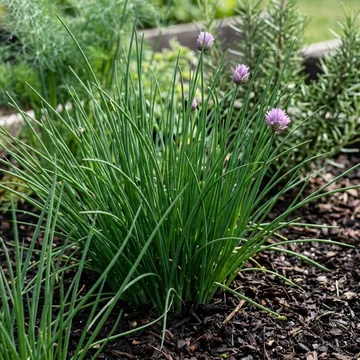
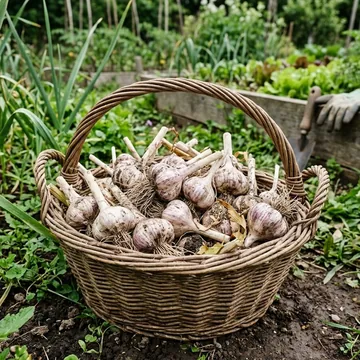
Good companions for pear trees include chives, garlic, and nasturtiums, which can help repel pests. Avoid planting near black walnut trees, which release juglone that can stunt or kill pears, and keep them away from other pears if you want to limit disease spread.
Growing in containers
Pears are best grown in the ground; they are not well-suited to containers because of their large size and long-term root needs. If you must try, use a 20-gallon pot with a dwarf variety, but expect limited fruit and more frequent watering.
Pro tips
Plant in full sun; most need a pollinator, so plant two compatible varieties. Harvest slightly under-ripe and ripen indoors. Trees bear in 3-6 years and live for decades.
Grow Pears this season
Get pear seeds and supplies matched to your climate.
Shop pear seeds →We may earn a commission when you buy through links on our site. Full disclosure.
Frequently asked questions
How long do Pears take to grow?
Pears take about 3–7 years.
What zone does Pear grow in?
Pears grow in USDA Hardiness Zones 3a–9a.
Can you grow Pear in a container?
Pears are usually grown in the ground or a large raised bed rather than a container.
Is Pear hard to grow?
Difficulty: Beginner. Pears are among the most reliable and pest-tolerant home fruit trees — long-lived, productive, and less fussy than apples or stone fruit.
Is Pear safe for dogs and cats?
Pears are safe for both dogs and cats.
Grows well with
Companion plants that help pear — improving growth, repelling pests, or attracting pollinators.
Keep away from: Potato.
More plants to grow
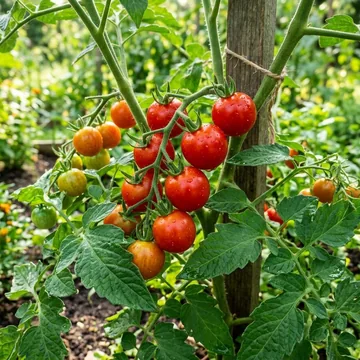
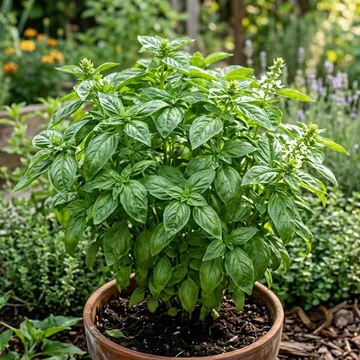
Popular guides readers also check.

🌱 Get pear planting dates for your zone
Get your personalized "what to plant and when" calendar for your zone — plus tips when each crop is ready. Free, unsubscribe anytime.