How to Grow Rhubarb
Zones 2a–8a · Beginner · Perennial
Container-friendlyPerennial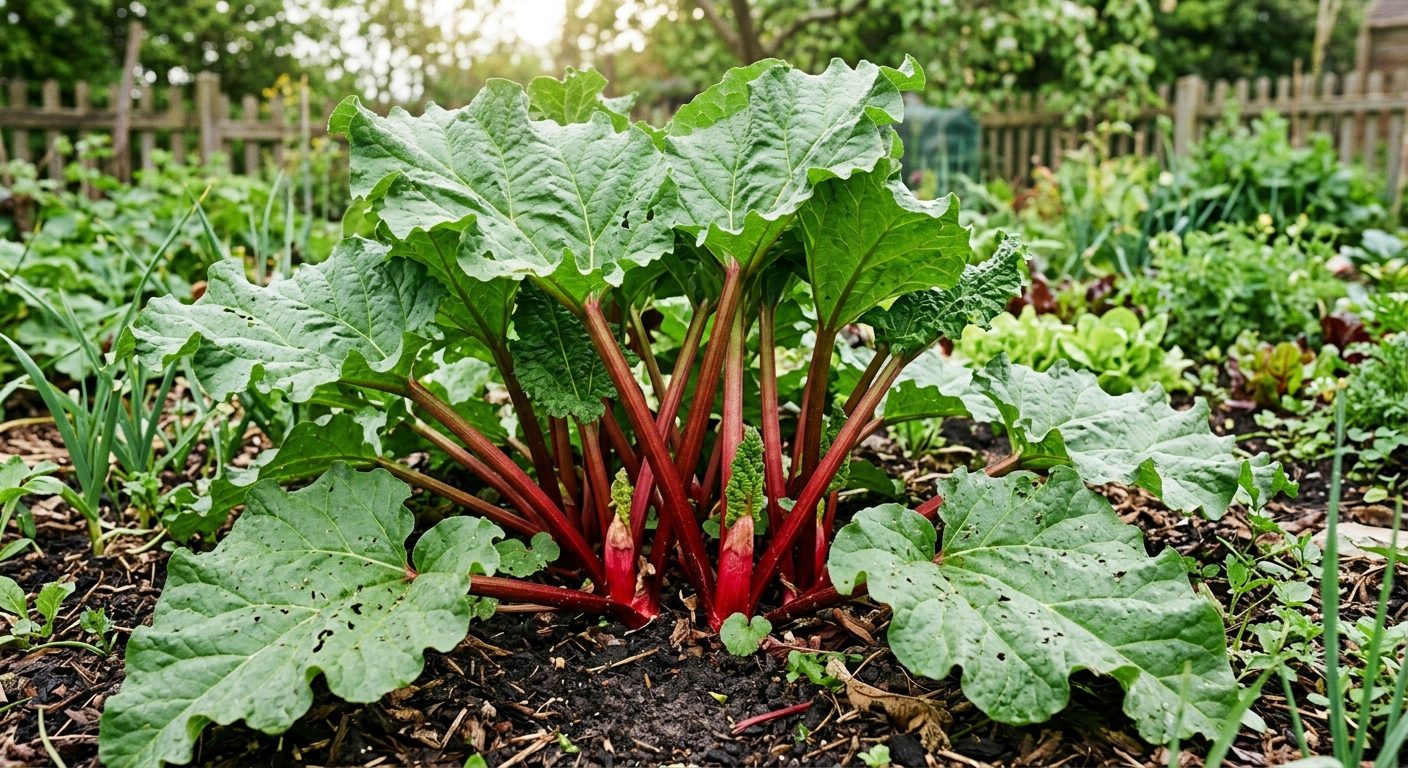
Rhubarb is extremely cold-hardy and productive — plant once and harvest stalks every spring for decades.
Light
Water
Soil
Days to harvest
When to plant Rhubarb
Your exact dates depend on your last frost date. Enter your location to get your personalized planting calendar.
In general: direct-sow or transplant after your last frost, and expect harvest starting the following season. See zone 2a →
Growing guide
Overview
Rhubarb is a cold-hardy perennial vegetable grown for its tart, red or green leaf stalks, which are used like fruit in pies, jams, and sauces. It is one of the most reliable and long-lived crops you can plant, producing for decades with minimal care. It needs full sun, moderate water, and well-drained soil to thrive.
Soil & planting prep
Rhubarb prefers loamy or clay soil that is well-drained and rich in organic matter, with a pH between 6.0 and 6.8. Before planting, work in 2–4 inches of compost or aged manure and remove any weeds. Space plants 3–4 feet apart, and set crowns so the buds are 1–2 inches below the soil surface.
When to plant
Plant rhubarb crowns in early spring, as soon as the soil can be worked and about 4–6 weeks before your last expected frost date. In cold climates (zones 2–8), this is typically March or April. Do not plant in fall, as crowns need time to establish before winter.
How to plant
- Choose a sunny spot with well-drained soil and clear it of perennial weeds.
- Dig a hole wide enough to spread the roots and deep enough so the crown sits 1–2 inches below the soil line.
- Mix compost or aged manure into the backfill and place the crown in the hole, spreading roots outward.
- Cover with soil, firm gently, and water thoroughly to settle the soil around the roots.
- Space multiple crowns 3–4 feet apart in rows 4–5 feet apart, and apply a 2–3 inch layer of mulch around the plants, keeping it away from the crown.
5 common mistakes to avoid
- Harvesting in the first year: rhubarb needs to establish a strong root system, so picking stalks in year one weakens the plant and reduces future yields. Wait until the second year, and only take a few stalks; full harvest begins in year three.
- Planting crowns too deep: if the crown is buried more than 2 inches, the buds may rot or fail to emerge. Set the crown so the top is just 1–2 inches below the soil surface.
- Eating the leaves: rhubarb leaves contain high levels of oxalic acid and are toxic to humans and pets. Always remove and discard leaves, and only use the stalks.
- Letting the plant flower: if flower stalks appear, cut them off at the base immediately, because seed production diverts energy from stalk production and can weaken the plant.
- Poor drainage: rhubarb roots rot in waterlogged soil. Plant in raised beds or amend heavy clay with organic matter to ensure good drainage, especially in winter.
Harvesting & storage
Begin harvesting in the second year, when stalks are 12–18 inches long and firm; pull and twist stalks gently from the base rather than cutting, and stop harvesting by mid-summer to let the plant recover. In subsequent years, harvest from early spring to early summer, taking only the outer stalks and leaving the inner ones to grow. Store stalks in the refrigerator for up to two weeks, or freeze them for later use.
Companion planting
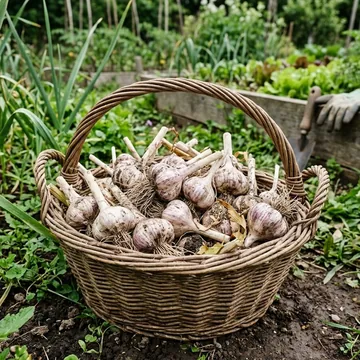
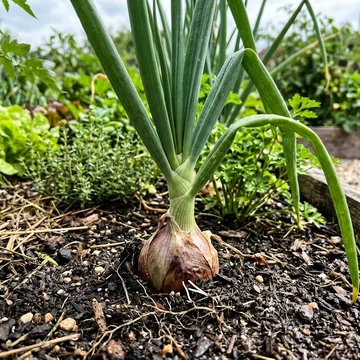
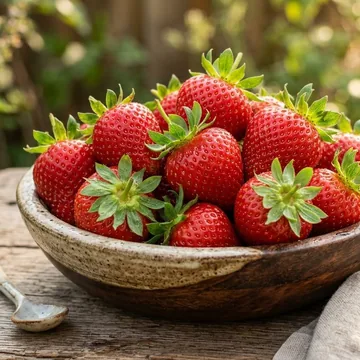
Good companions for rhubarb include strawberries, onions, garlic, and cabbage, which can benefit from its shade and pest-repelling properties. Avoid planting near dock or sorrel, as they can harbor similar pests and diseases.
Growing in containers
Rhubarb can be grown in containers, but it needs a large pot—at least 10 gallons—because it has a deep, extensive root system. Use a well-draining potting mix, keep it in full sun, and water moderately; container-grown rhubarb may need dividing every 3–4 years.
Pro tips
Plant crowns in spring. Never harvest the first year. Never eat the leaves — they are toxic. Mulch crowns in autumn. Divide every 5-7 years. Rhubarb actually improves after cold winters.
Grow Rhubarb this season
Get rhubarb seeds and supplies matched to your climate.
Shop rhubarb seeds →We may earn a commission when you buy through links on our site. Full disclosure.
Frequently asked questions
How long do Rhubarb take to grow?
Rhubarb take about Perennial.
What zone does Rhubarb grow in?
Rhubarb grow in USDA Hardiness Zones 2a–8a.
Can you grow Rhubarb in a container?
Yes — Rhubarb grow well in containers. A 10-gallon pot or larger is ideal.
Is Rhubarb hard to grow?
Difficulty: Beginner. Rhubarb is extremely cold-hardy and productive — plant once and harvest stalks every spring for decades.
Is Rhubarb safe for dogs and cats?
Rhubarb are not safe for pets — keep dogs and cats away from the plant.
Grows well with
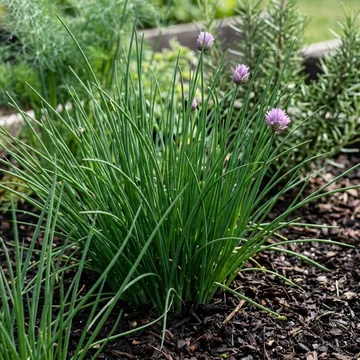
Companion plants that help rhubarb — improving growth, repelling pests, or attracting pollinators.
More plants to grow
Popular guides readers also check.
🌱 Get rhubarb planting dates for your zone
Get your personalized "what to plant and when" calendar for your zone — plus tips when each crop is ready. Free, unsubscribe anytime.