How to Grow Lemon Balm
Zones 3a–9b · Beginner · 60–70 days
Container-friendlyBalcony/patioIndoor-friendlyPerennialDeer-resistant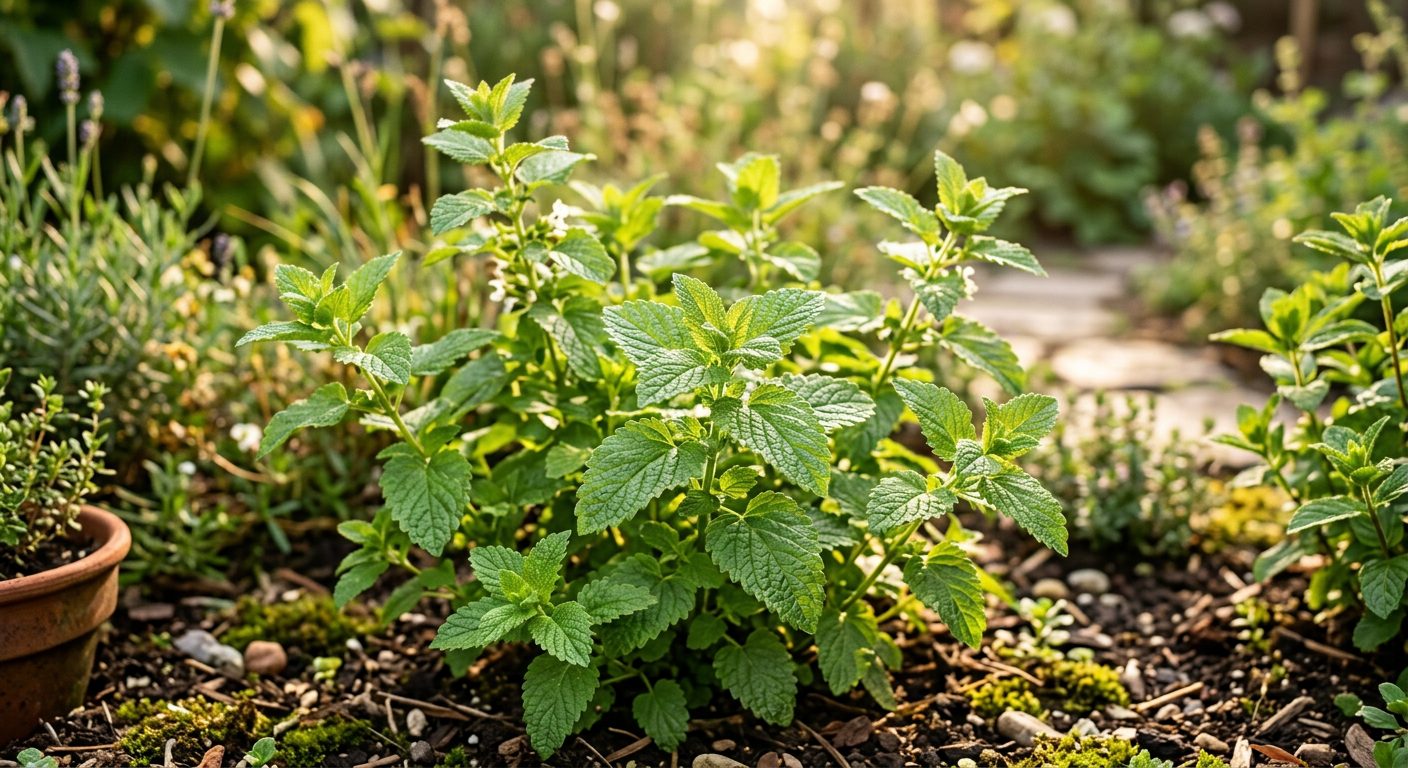
Lemon balm is a prolific mint-family herb with bright citrus fragrance. Used for teas, desserts, and calming remedies. Warning: it self-seeds aggressively — grow in containers to prevent garden takeover.
Light
Water
Soil
Days to harvest
Start indoors
When to plant Lemon Balms
Your exact dates depend on your last frost date. Enter your location to get your personalized planting calendar.
In general: start seeds indoors 6 weeks before your last frost, and expect harvest ~60–70 days later. See zone 3a →
Growing guide
Overview
Lemon balm is a perennial mint-family herb with bright citrus fragrance. Growers love it for teas, desserts, and pollinator-friendly flowers, and it tolerates partial shade better than most herbs. It needs well-drained soil, moderate water, and containment because it self-seeds and spreads aggressively.
Soil & planting prep
Grow lemon balm in well-drained loamy or sandy soil with a pH between 6.0 and 7.5. Space plants 18–24 inches apart and plant transplants at the same depth they grew in their pots. Surface-sow seeds and press them lightly into the soil because they need light to germinate.
When to plant
Start lemon balm seeds indoors 6 weeks before your last expected frost date. Harden off seedlings for 7–10 days, then transplant outdoors around the last frost date. You can also direct sow after the last frost; avoid fall planting in cold climates because young plants need a full season to establish.
How to plant
- Start seeds indoors 6 weeks before the last frost: scatter seeds on top of moist seed-starting mix and press lightly; do not cover, because lemon balm seeds need light to germinate.
- Keep seed trays moist and warm until seedlings emerge, usually in 7–14 days.
- Harden off seedlings for 7–10 days by gradually exposing them to outdoor conditions.
- Transplant after the last frost into well-drained soil, spacing plants 18–24 inches apart at the same depth as their pots.
- Water thoroughly after planting and add a light mulch; if growing in the ground, install a root barrier or use a container to prevent spreading.
5 common mistakes to avoid
- Letting lemon balm flower and set seed leads to aggressive self-seeding and less flavorful leaves; cut plants back before flowers open and shear hard in midsummer to prevent this.
- Planting it in the ground without a root barrier or container lets the mint-family roots and rhizomes spread quickly; grow it in a 3-gallon pot or bury a barrier around the root zone.
- Sowing seeds too deep causes poor germination because lemon balm seeds need light; press them onto the soil surface and leave them uncovered.
- Growing lemon balm in heavy, wet clay or watering too often invites root rot; use well-drained loamy or sandy soil and keep water moderate, avoiding soggy soil.
- Skipping the midsummer cutback leaves plants leggy and woody with few fresh leaves; cut stems back by half to two-thirds after the first flowering flush to force fresh growth.
Harvesting & storage
Begin harvesting 60–70 days after seeding, once plants are 6–8 inches tall and have multiple leafy stems. Pick leaves or cut whole stems before flowers open for best flavor, leaving at least two-thirds of the plant intact. Dry leaves in a single layer in a shaded, airy spot or store fresh in the refrigerator for a few days.
Companion planting
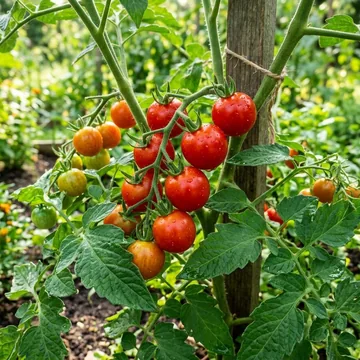
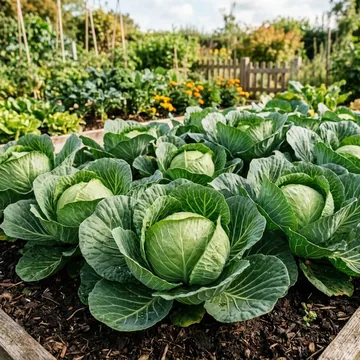
Lemon balm pairs well with broccoli, cabbage, cauliflower, and squash because its flowers attract pollinators and beneficial insects. Avoid planting it next to small, slow-growing herbs that can be crowded out by its spreading, self-seeding habit.
Growing in containers
Grow lemon balm in a container that holds at least 3 gallons of potting mix with drainage holes to keep its spreading roots and self-seeding under control. Place the pot in full sun to partial shade and water when the top inch of soil feels dry, since containers dry out faster than garden beds.
Pro tips
Grow in a container to control spreading. Harvest before flowering for best flavor. Cut back hard in midsummer to encourage fresh growth. Tolerates partial shade better than most herbs.
Grow Lemon Balms this season
Get lemon balm seeds and supplies matched to your climate.
Shop lemon balm seeds →We may earn a commission when you buy through links on our site. Full disclosure.
Frequently asked questions
How long do Lemon Balms take to grow?
Lemon Balms take about 60–70 days, plus 6 weeks to start seeds indoors.
What zone does Lemon Balm grow in?
Lemon Balms grow in USDA Hardiness Zones 3a–9b.
Can you grow Lemon Balm in a container?
Yes — Lemon Balms grow well in containers. A 3-gallon pot or larger is ideal.
Is Lemon Balm hard to grow?
Difficulty: Beginner. Lemon balm is a prolific mint-family herb with bright citrus fragrance. Used for teas, desserts, and calming remedies. Warning: it self-seeds aggressively — grow in containers to prevent garden takeover.
Is Lemon Balm safe for dogs and cats?
Lemon Balms are safe for both dogs and cats.
Grows well with
Companion plants that help lemon balm — improving growth, repelling pests, or attracting pollinators.
More plants to grow
Popular guides readers also check.
🌱 Get lemon balm planting dates for your zone
Get your personalized "what to plant and when" calendar for your zone — plus tips when each crop is ready. Free, unsubscribe anytime.