How to Grow Asparagus
Zones 2a–8b · Advanced · 2 years
Perennial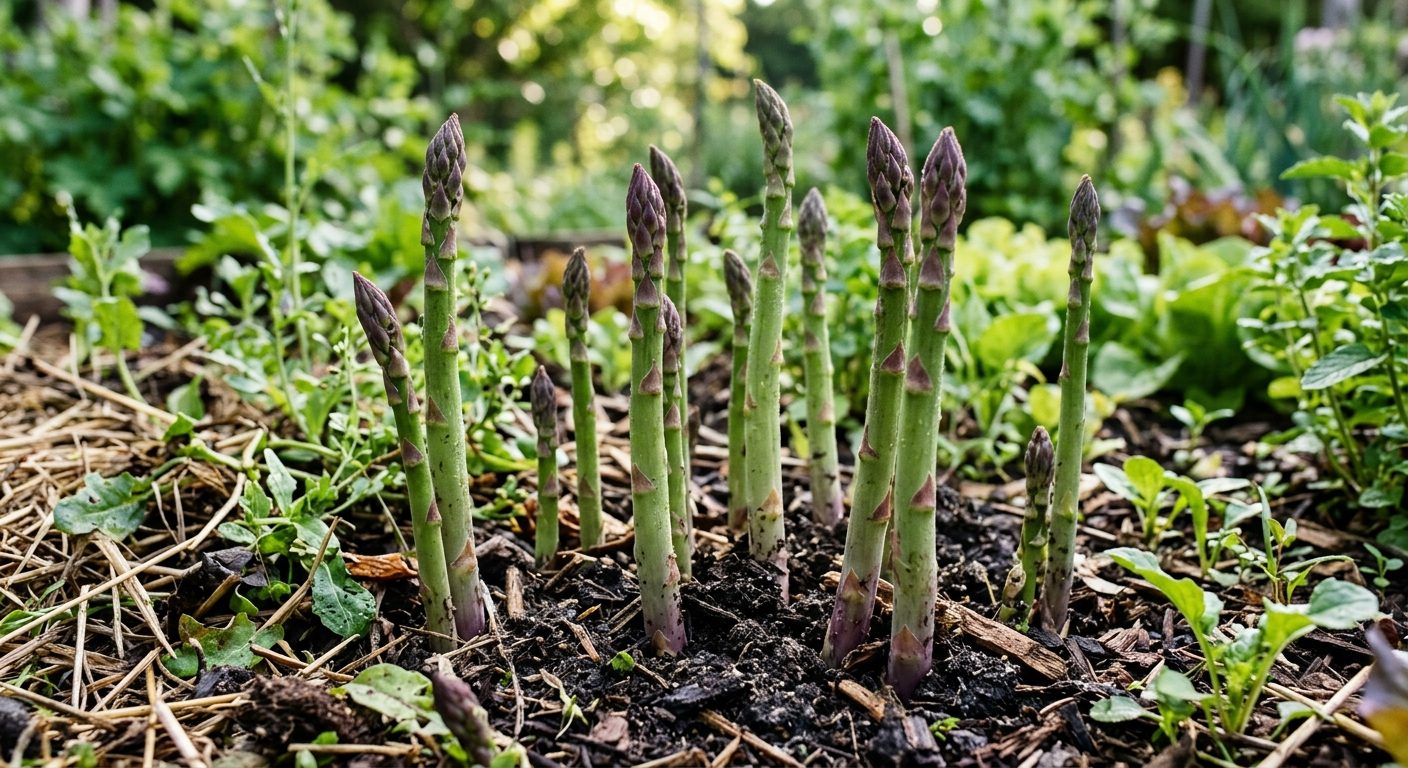
Asparagus is a long-term investment — it takes 2-3 years to establish but then produces for 20+ years.
Light
Water
Soil
Days to harvest
When to plant Asparagus
Your exact dates depend on your last frost date. Enter your location to get your personalized planting calendar.
In general: direct-sow or transplant after your last frost, and expect harvest ~2 years later. See zone 2a →
Growing guide
Overview
Asparagus is a perennial vegetable that produces tender spears from an underground crown for 20 years or more. Gardeners love it because a single well-prepared bed yields a reliable spring crop every year, but it demands patience — you wait two full years before the first real harvest. It needs full sun, well-drained soil, and a permanent spot where the roots can spread undisturbed.
Soil & planting prep
Asparagus grows best in loose, loamy or sandy soil that drains quickly; heavy clay causes crown rot. Aim for a soil pH between 6.5 and 7.5. Work in 2 to 3 inches of compost and a balanced organic fertilizer before planting, and set crowns 12 to 18 inches apart in rows spaced 3 to 4 feet apart.
When to plant
Plant asparagus crowns in early spring, about 2 to 4 weeks before your last expected frost date, as soon as the soil can be worked. Do not start asparagus indoors from seed for a home garden — crowns give you a head start and are far more reliable. In cold zones (2a–4b), wait until the soil is workable but still cool; in warmer zones (7–8b), plant in late winter to early spring before the crowns break dormancy.
How to plant
- Choose a permanent, full-sun spot that will not be tilled or moved for at least 20 years; asparagus resents disturbance.
- Dig a trench 12 inches wide and 6 to 8 inches deep, and mound the soil in the bottom so crowns sit on a small ridge.
- Soak the crowns in water for 30 minutes, then set them 12 to 18 inches apart with the buds facing up and roots spread over the mound.
- Cover the crowns with 2 inches of soil, then fill the trench gradually with more soil as the shoots emerge, stopping when the trench is level.
- Water deeply after planting and keep the bed evenly moist through the first growing season; mulch with 2 to 3 inches of compost or straw.
5 common mistakes to avoid
- Harvesting too soon — cutting spears in the first or second year weakens the crown and can kill it; wait until the third spring after planting, then cut for only 2 to 3 weeks.
- Planting in a wet, poorly drained spot — asparagus crowns rot in soggy soil, so choose a raised bed or amend heavy clay with sand and compost before planting.
- Letting weeds take over the bed — asparagus is a poor competitor, and weeds steal nutrients and water; hand-pull or shallow-cultivate carefully to avoid damaging shallow roots.
- Cutting down the ferns too early in fall — the green ferns feed the crown through photosynthesis until they turn brown; wait until late fall or winter to remove them.
- Planting crowns too shallow — if the crown is exposed or only barely covered, it dries out and produces weak spears; plant 6 to 8 inches deep and fill gradually.
Harvesting & storage
Harvest spears in the third year after planting, when they are 6 to 8 inches tall and the tips are still tight. Snap or cut them at the soil line every 2 to 3 days during the 2- to 3-week harvest window, then stop and let the ferns grow. Eat fresh spears within a few days, or blanch and freeze them for up to 8 months.
Companion planting
Good companions for asparagus include parsley, basil, and marigolds, which may help repel asparagus beetles. Avoid planting onions, garlic, and other alliums nearby, as they can stunt asparagus growth.
Growing in containers
Asparagus is not suited to containers — it needs a deep, permanent root run and 20 years of undisturbed soil. Grow it in the ground in a dedicated bed instead.
Pro tips
Plant crowns in a permanent bed — asparagus cannot be moved. Do not harvest for 2 years while it establishes. Top-dress with compost each autumn. Allow ferns to grow after harvest to feed the roots.
Grow Asparagus this season
Get asparagus seeds and supplies matched to your climate.
Shop asparagus seeds →We may earn a commission when you buy through links on our site. Full disclosure.
Frequently asked questions
How long do Asparagus take to grow?
Asparagus take about 2 years.
What zone does Asparagus grow in?
Asparagus grow in USDA Hardiness Zones 2a–8b.
Can you grow Asparagus in a container?
Asparagus are usually grown in the ground or a large raised bed rather than a container.
Is Asparagus hard to grow?
Difficulty: Advanced. Asparagus is a long-term investment — it takes 2-3 years to establish but then produces for 20+ years.
Is Asparagus safe for dogs and cats?
Asparagus are safe for both dogs and cats.
Grows well with
Companion plants that help asparagus — improving growth, repelling pests, or attracting pollinators.
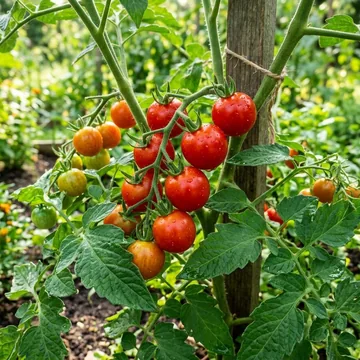
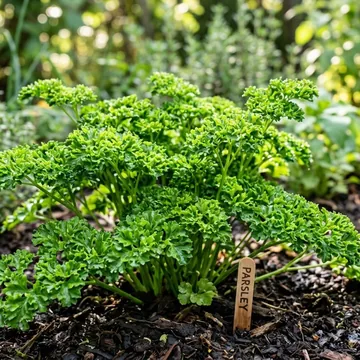
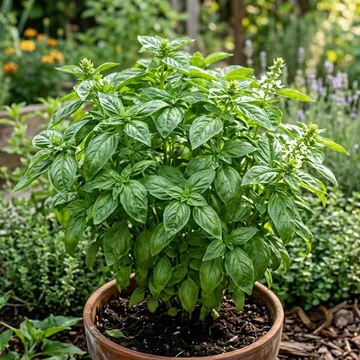
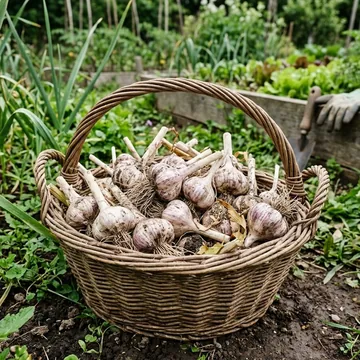
Keep away from: Onion, Garlic.
More plants to grow
Popular guides readers also check.

🌱 Get asparagus planting dates for your zone
Get your personalized "what to plant and when" calendar for your zone — plus tips when each crop is ready. Free, unsubscribe anytime.