How to Grow Banana
Zones 8a–11b · Intermediate · Perennial
Indoor-friendlyPerennial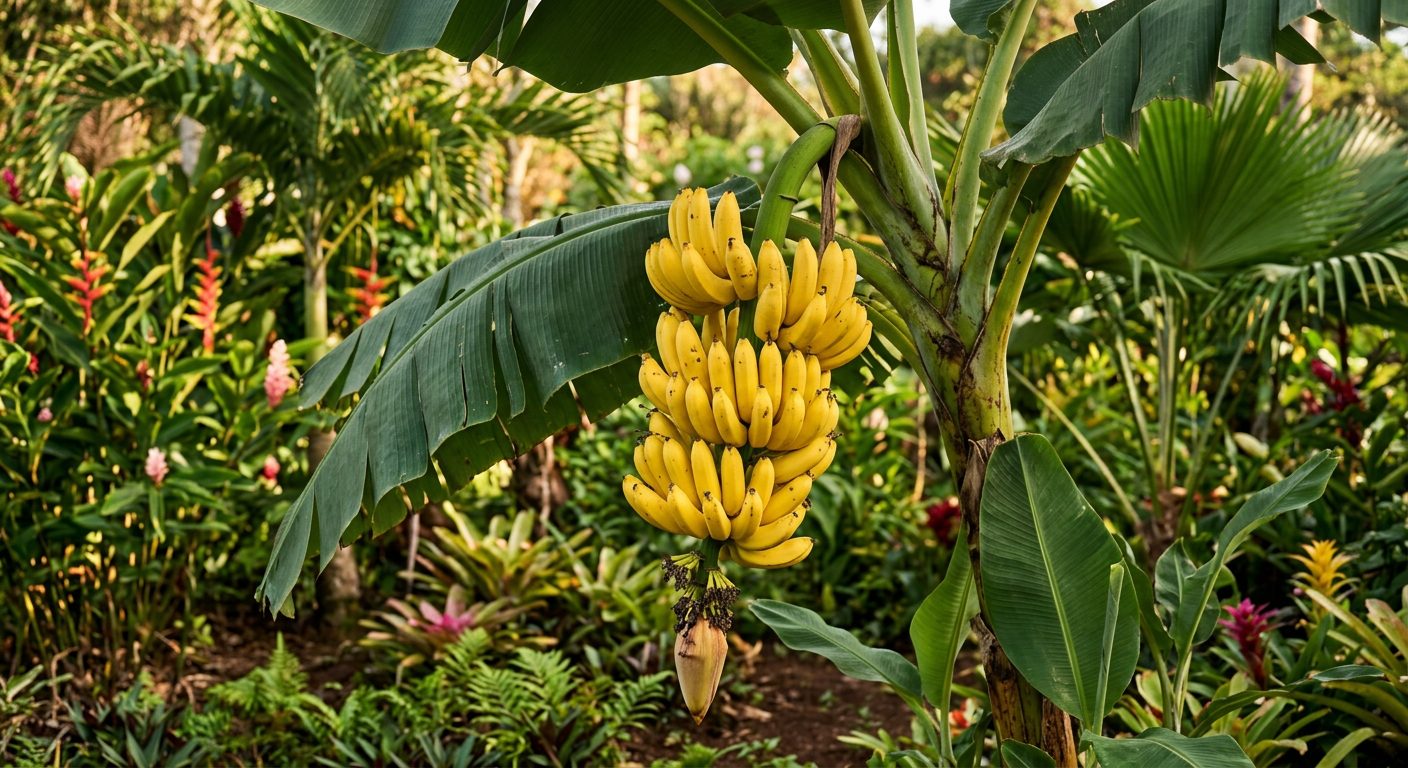
Bananas are fast-growing tropical plants that can add dramatic tropical look even in temperate gardens.
Light
Water
Soil
Days to harvest
When to plant Bananas
Your exact dates depend on your last frost date. Enter your location to get your personalized planting calendar.
In general: direct-sow or transplant after your last frost, and expect harvest starting the following season. See zone 8a →
Growing guide
Overview
Bananas are fast-growing tropical perennials that add a dramatic, large-leaf look to warm gardens, and in long-season warm climates they can produce edible fruit. Growers love their rapid growth and lush appearance, but bananas need full sun, rich well-drained soil, steady moisture, and heavy feeding. They are frost-tender and perform best in USDA zones 8a–11b; in cooler parts of that range they are usually grown as ornamental or die-back perennials.
Soil & planting prep
Bananas grow best in rich, loamy, well-drained soil with a pH around 5.5–6.5. Work several inches of compost or aged manure into the planting area, and space standard plants about 8–10 feet apart and dwarf types 6–8 feet apart. Plant nursery plants or corms at the same depth they were growing, with the top of the root ball or corm just below the soil surface.
When to plant
Plant bananas outdoors after your last frost date, once night temperatures stay above 50°F and the soil is warm. Bananas are frost-tender and are not fall-planted; spring planting gives the plant a full warm season to establish. In Zones 10–11, where frost is rare, you can plant almost any time except the coolest winter period.
How to plant
- Choose a full-sun, wind-sheltered site with rich, well-drained soil, and avoid low spots where water sits.
- Dig a planting hole about twice as wide as the root ball and the same depth, or about 18–24 inches wide and deep for a corm; mix compost into the removed soil.
- Set the banana plant or corm so the top sits just below soil level, then backfill and firm gently.
- Water deeply right after planting to settle the soil and remove air pockets.
- Mulch 3–4 inches deep around the base, keeping the mulch a few inches away from the pseudostem to prevent rot.
5 common mistakes to avoid
- Many gardeners plant bananas too early while nights are still cool, which can stop root growth or kill leaves; wait until after the last frost and set plants out only when soil is at least 60°F.
- Letting the root zone dry out is one of the fastest ways to get stunted plants and small or absent fruit, because bananas are high-water plants with large leaves; keep soil evenly moist through the growing season, especially in hot weather.
- Planting bananas in an open, windy spot leaves leaves shredded and can desiccate the plant or damage the pseudostem; choose a south-facing site with wind protection or create a windbreak.
- Underfeeding is a common reason bananas never size up or produce a good bunch, since they are heavy feeders especially for potassium; apply a balanced fruiting-plant fertilizer every 4–6 weeks during warm months.
- Letting a clump develop too many suckers robs the main plant of water and nutrients and can lead to small, delayed bunches; remove excess pups and keep only 3–5 strong stems per mat.
Harvesting & storage
A banana bunch is ready to cut when the fingers have filled out, become less angular, and the first hand shows a hint of yellow, often with drying flower tips. Cut the whole stalk with a sharp knife or machete and hang it in a shaded, warm, airy spot to ripen. After ripening, keep bananas at cool room temperature; yellow fruit can be held a few extra days in the refrigerator, though the peel may turn brown.
Companion planting
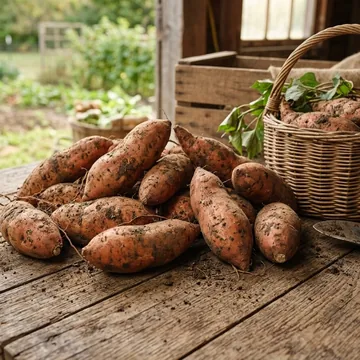
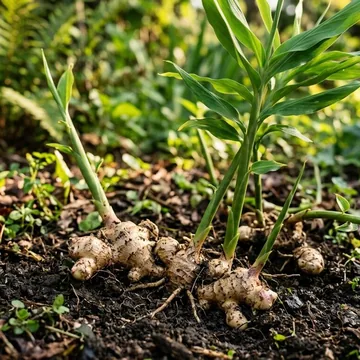
Good companions include sweet potato, lemongrass, ginger, and turmeric, which enjoy the same moist, rich soil and warm conditions. Avoid planting near large trees or shrubs that compete for water and cast shade.
Growing in containers
Bananas are not considered container-friendly and are best grown in the ground. In cold parts of their range, gardeners sometimes grow dwarf bananas in a large container and bring them indoors, but this is mainly a foliage strategy rather than a reliable way to get fruit.
Pro tips
In Zone 8-9 cold-hardy varieties like Musa basjoo can survive winters with heavy mulch. In colder zones grow in containers and bring indoors. Fruit production requires Zone 9+ and a long warm season.
Grow Bananas this season
Get banana seeds and supplies matched to your climate.
Shop banana seeds →We may earn a commission when you buy through links on our site. Full disclosure.
Frequently asked questions
How long do Bananas take to grow?
Bananas take about Perennial.
What zone does Banana grow in?
Bananas grow in USDA Hardiness Zones 8a–11b.
Can you grow Banana in a container?
Bananas are usually grown in the ground or a large raised bed rather than a container.
Is Banana hard to grow?
Difficulty: Intermediate. Bananas are fast-growing tropical plants that can add dramatic tropical look even in temperate gardens.
Is Banana safe for dogs and cats?
Bananas are safe for both dogs and cats.
Grows well with
Companion plants that help banana — improving growth, repelling pests, or attracting pollinators.
More plants to grow
Popular guides readers also check.

🌱 Get banana planting dates for your zone
Get your personalized "what to plant and when" calendar for your zone — plus tips when each crop is ready. Free, unsubscribe anytime.