How to Grow Lemon Tree
Zones 9a–11b · Intermediate · Perennial
Container-friendlyBalcony/patioIndoor-friendlyPerennial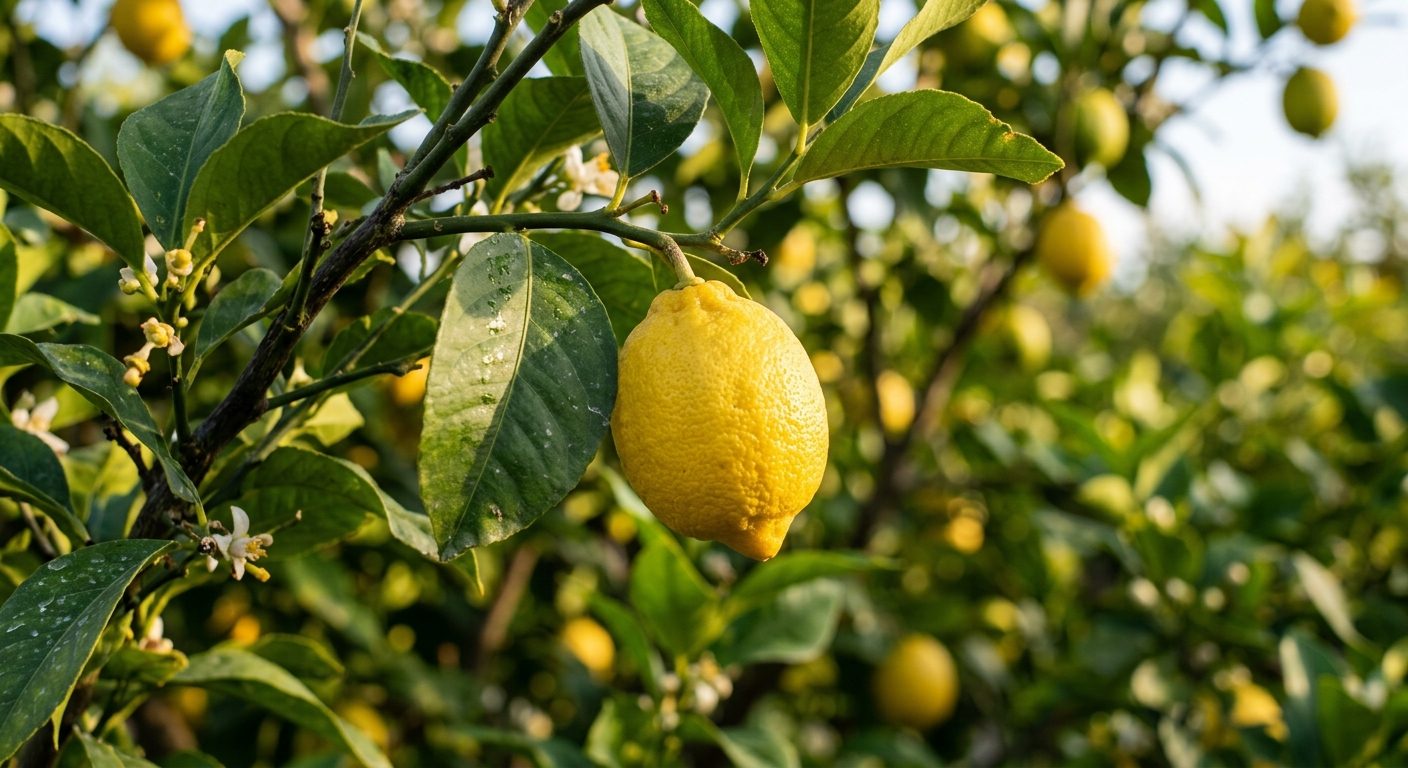
Lemon trees are popular container plants and can be grown indoors or outdoors in warm climates.
Light
Water
Soil
Days to harvest
When to plant Lemon Trees
Your exact dates depend on your last frost date. Enter your location to get your personalized planting calendar.
In general: direct-sow or transplant after your last frost, and expect harvest starting the following season. See zone 9a →
Growing guide
Overview
The lemon tree (Citrus limon) is a small evergreen that produces fragrant white blooms and tart yellow fruit, and it’s a favorite because it can fruit indoors in a sunny window or outdoors in warm climates. It needs full sun, moderate water, and well-drained soil to thrive. In zones 9a–11b it grows year-round outdoors; elsewhere it lives in a container and moves inside before frost.
Soil & planting prep
Use loamy or sandy, well-drained soil with a pH of 5.5–6.5. In the ground, plant in a spot that gets at least 6–8 hours of direct sun and space trees 8–12 feet apart. In containers, fill with a citrus or cactus mix that drains fast; set the tree so the root flare sits at or just above the soil line.
When to plant
Plant outdoors after the last frost date, once nighttime temperatures stay above 50°F. In zones 9a–11b, that’s usually spring; in colder zones, keep the tree in a container and move it outside only after the last frost, then bring it back in before the first fall frost. There is no indoor seed-start window for this guide—buy a grafted or potted tree and plant it when the weather is warm.
How to plant
- Choose a container at least 15 gallons or a sunny, frost-free spot in the ground.
- Dig a hole or fill the container so the root ball sits at the same depth it grew in the nursery, with the root flare just above the soil.
- Backfill with native soil or citrus mix, firm gently, and water deeply until it drains freely.
- Water thoroughly and let the top 2 inches of soil dry before watering again.
- In containers, place the tree where it gets 6–8 hours of direct sun; in the ground, keep it 8–12 feet from other trees or walls.
5 common mistakes to avoid
- Planting outdoors too early in spring: lemon trees are not frost-tolerant, and a late freeze kills new growth or the whole tree. Wait until after your last frost date and nighttime temperatures are above 50°F.
- Letting the soil stay soggy: lemons hate wet feet, and constant moisture causes root rot and yellowing leaves. Always use a fast-draining mix and water only when the top 2 inches of soil are dry.
- Giving too little sun indoors: a lemon tree in a dim corner drops leaves and refuses to flower. Put it by the sunniest south- or west-facing window, or use grow lights for 6–8 hours a day.
- Skipping fertilizer: citrus are heavy feeders, and without regular feeding they produce small, pale leaves and little fruit. Feed with a citrus fertilizer in spring and summer, following the label rate.
- Moving the tree straight from indoors to full outdoor sun: sudden direct sun scorches leaves. Harden it off over 7–10 days, starting in shade and gradually increasing sun exposure.
Harvesting & storage
Lemons are ready when they reach full size and turn bright yellow, which can take several months after flowering. Cut or twist the fruit from the tree, leaving a short stem, and use it fresh. Store lemons at room temperature for about a week or in the refrigerator for up to a month.
Companion planting
Good companions for lemon trees include marigolds, nasturtiums, and other low-growing flowers that don’t compete for water. Avoid planting mint or other aggressive spreaders nearby, as they can steal moisture and nutrients.
Growing in containers
Lemon trees grow well in containers and need at least a 15-gallon pot with drainage holes. Use a citrus or cactus mix, water when the top 2 inches of soil are dry, and move the pot indoors before frost in cold zones.
Pro tips
In cold zones grow in containers and bring indoors before frost. Keep near a sunny window or under grow lights. Water when top 2cm of soil is dry. Feed with citrus fertiliser in spring and summer.
Grow Lemon Trees this season
Get lemon tree seeds and supplies matched to your climate.
Shop lemon tree seeds →We may earn a commission when you buy through links on our site. Full disclosure.
Frequently asked questions
How long do Lemon Trees take to grow?
Lemon Trees take about Perennial.
What zone does Lemon Tree grow in?
Lemon Trees grow in USDA Hardiness Zones 9a–11b.
Can you grow Lemon Tree in a container?
Yes — Lemon Trees grow well in containers. A 15-gallon pot or larger is ideal.
Is Lemon Tree hard to grow?
Difficulty: Intermediate. Lemon trees are popular container plants and can be grown indoors or outdoors in warm climates.
Is Lemon Tree safe for dogs and cats?
Lemon Trees are not safe for pets — keep dogs and cats away from the plant.
Grows well with
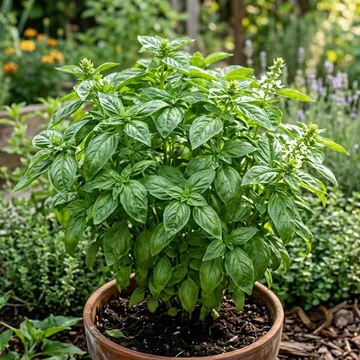
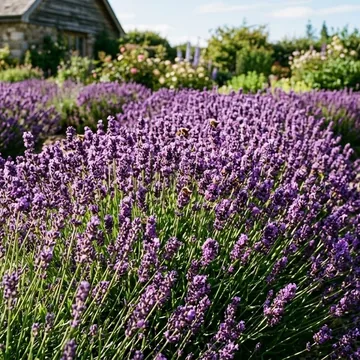
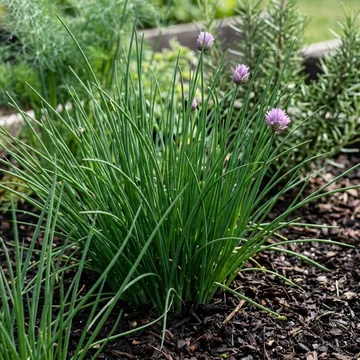
Companion plants that help lemon tree — improving growth, repelling pests, or attracting pollinators.
More plants to grow
Popular guides readers also check.

🌱 Get lemon tree planting dates for your zone
Get your personalized "what to plant and when" calendar for your zone — plus tips when each crop is ready. Free, unsubscribe anytime.