How to Grow Peach
Zones 5a–9a · Intermediate · Perennial
Perennial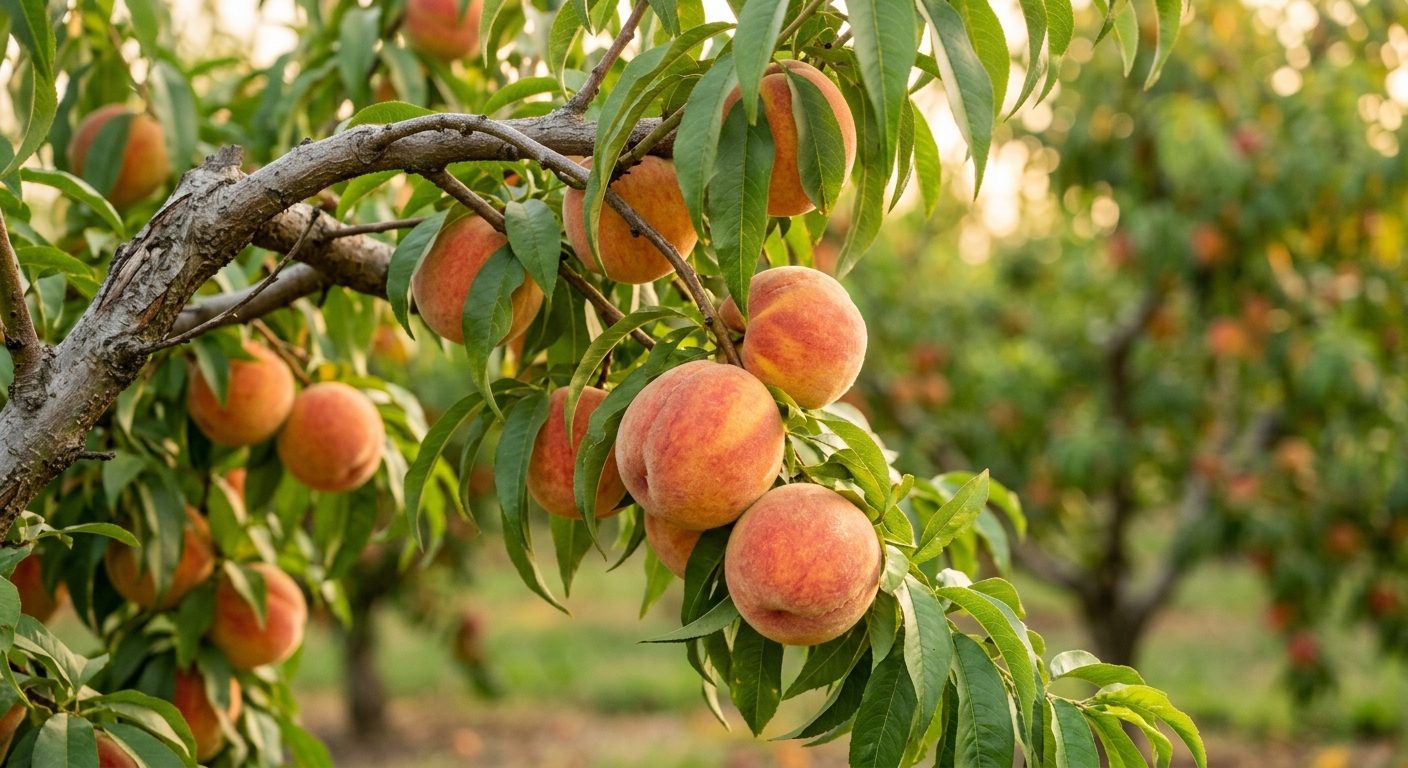
Peaches are fast-maturing fruit trees that can produce within 2-3 years and thrive in warm temperate climates.
Light
Water
Soil
Days to harvest
When to plant Peaches
Your exact dates depend on your last frost date. Enter your location to get your personalized planting calendar.
In general: direct-sow or transplant after your last frost, and expect harvest starting the following season. See zone 5a →
Growing guide
Overview
Peach is a perennial stone fruit tree grown for its sweet, juicy fruit and early orchard harvest. Gardeners like it because trees can set fruit within 2–3 years and need only moderate water once established. It needs full sun, well-drained loamy or sandy soil, and annual pruning and fruit thinning to crop well in USDA Zones 5a–9a.
Soil & planting prep
Peaches need deep, well-drained loamy or sandy soil with a slightly acidic to neutral pH of 6.0–7.0. Space standard trees 18–20 feet apart and dwarf trees 10–12 feet apart. Plant at the same depth as the nursery line, keeping the graft union 2–3 inches above the soil.
When to plant
Plant peach trees in early spring after your last frost date, when the ground is workable and not waterlogged. Bare-root trees are best set out while dormant in late winter or early spring; in Zones 5–7 wait until the danger of hard frost is past, and in Zones 8–9 plant as early as the soil can be worked.
How to plant
- Choose a full-sun spot with loamy or sandy well-drained soil; space standard trees 18–20 feet apart and dwarf trees 10–12 feet apart.
- Dig a hole about twice as wide as the root system and no deeper than the roots.
- Set the tree in the hole so the graft union sits 2–3 inches above the soil line, and spread the roots outward.
- Backfill with native soil, tamp gently, and water deeply to settle air pockets.
- Water regularly through the first season and apply a 2–3 inch ring of mulch, keeping it several inches away from the trunk.
5 common mistakes to avoid
- Planting in heavy or poorly drained soil is a classic peach failure because peach roots drown and rot in wet feet; avoid low spots, or plant on a slight mound if drainage is doubtful.
- Skipping fruit thinning leads to small peaches and broken branches because peaches often set far more fruit than the tree can size up; thin fruit when it is about marble-sized to one peach every 6–8 inches along the branch.
- Skipping annual pruning causes a dense, shaded center and weak fruiting wood; prune in late winter or early spring to keep an open vase shape and remove dead, crossing, or upright shoots.
- Choosing the wrong chill variety prevents good fruit set: low-chill types belong in Zones 8–9 and standard higher-chill types in Zones 5–7, so match the label to your zone.
- Failing to protect flowers in a late frost can wipe out the crop because peach blossoms are not frost-tolerant; avoid frost pockets and cover small trees with frost cloth when freezing nights are forecast.
Harvesting & storage
A peach is ready when the green background color shifts to yellow or cream, the fruit softens slightly near the stem, and it smells sweet. Harvest by gently twisting the fruit upward; it should release easily. Ripe peaches store for only a few days at room temperature or up to about a week refrigerated, so handle them gently and use promptly.
Companion planting
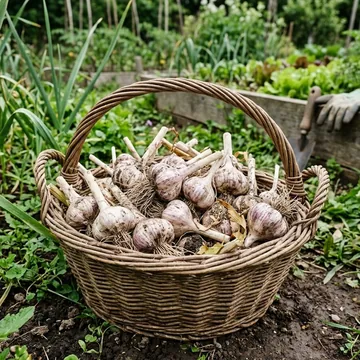
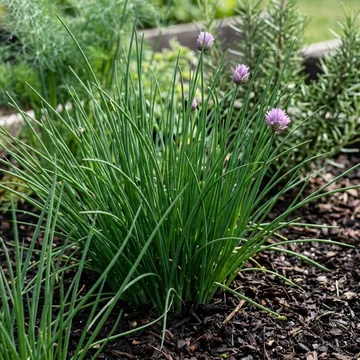
Good companions include garlic and chives, which may help deter peach tree borers. Avoid planting peach trees near black walnut or other walnut species, which release juglone that can damage peach roots.
Growing in containers
Peach is not container-friendly and is best grown in the ground; even dwarf peach trees need a large root zone and consistent moisture. Skip balcony containers unless you have a very large planter with a genetic dwarf rootstock, and expect more watering and less vigor.
Pro tips
Choose low-chill varieties for Zone 8-9 standard varieties for Zone 5-7. Peaches need well-drained soil — they rot in wet feet. Thin fruit heavily for larger peaches. Protect spring blossoms from late frosts.
Grow Peaches this season
Get peach seeds and supplies matched to your climate.
Shop peach seeds →We may earn a commission when you buy through links on our site. Full disclosure.
Frequently asked questions
How long do Peaches take to grow?
Peaches take about Perennial.
What zone does Peach grow in?
Peaches grow in USDA Hardiness Zones 5a–9a.
Can you grow Peach in a container?
Peaches are usually grown in the ground or a large raised bed rather than a container.
Is Peach hard to grow?
Difficulty: Intermediate. Peaches are fast-maturing fruit trees that can produce within 2-3 years and thrive in warm temperate climates.
Is Peach safe for dogs and cats?
Peaches are not safe for pets — keep dogs and cats away from the plant.
Grows well with
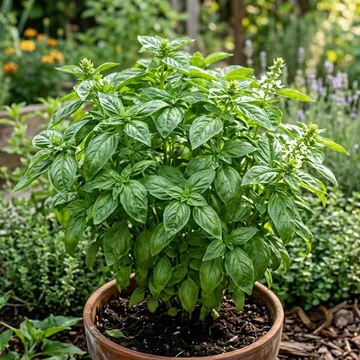
Companion plants that help peach — improving growth, repelling pests, or attracting pollinators.
Keep away from: Potato.
More plants to grow
Popular guides readers also check.
🌱 Get peach planting dates for your zone
Get your personalized "what to plant and when" calendar for your zone — plus tips when each crop is ready. Free, unsubscribe anytime.