What Grows in Yellowknife, NT?
NWT, zone 1.
Zone
Last frost
First frost
Frost-free days
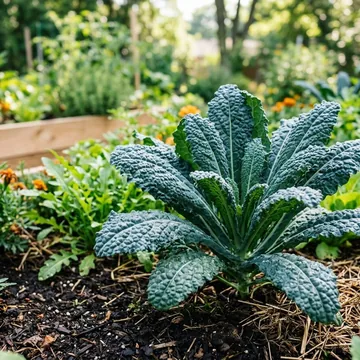
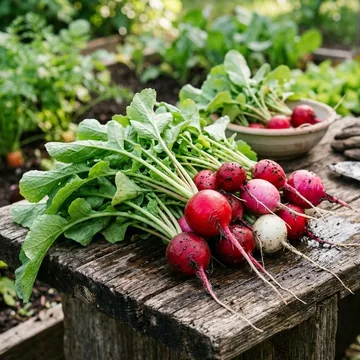
Yellowknife is in Canadian Zone 1 with about 70 frost-free days, and you can grow kale, lettuce, peas, radishes here.
What to plant, and when
Timing by your frost dates — last frost June 5, first frost September 1.
Ground Cherry, Winter Squash, Butternut Squash
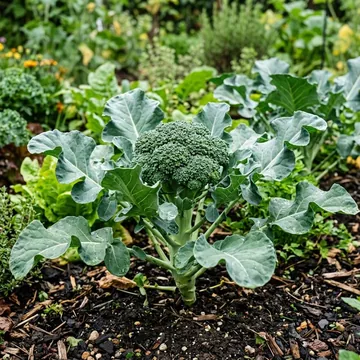
Cabbage, Turnip, Parsnip, Rutabaga, Celeriac, Kohlrabi, French Tarragon, Lemon Balm
Microgreens, Gooseberry, Red Currant, Elderberry, Plum, Pear
Horseradish, Sorrel, Calendula
What grows well in Yellowknife
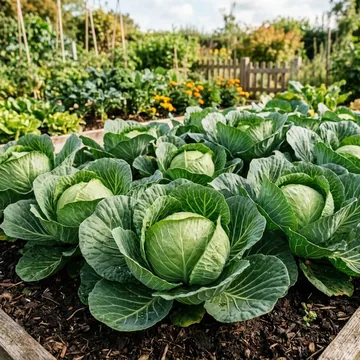
Cabbage
Grows well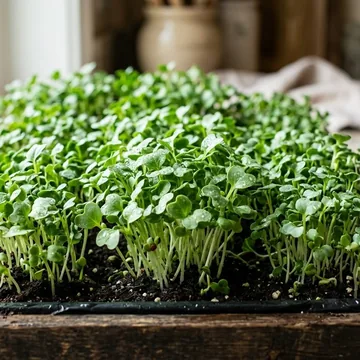
Microgreens
Grows well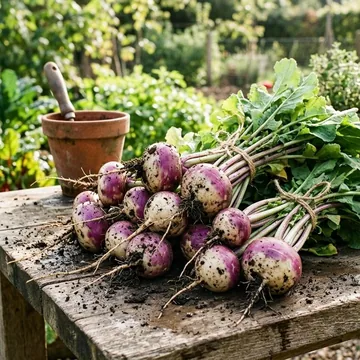
Turnip
Grows well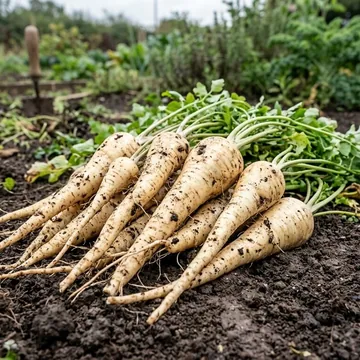
Parsnip
Grows well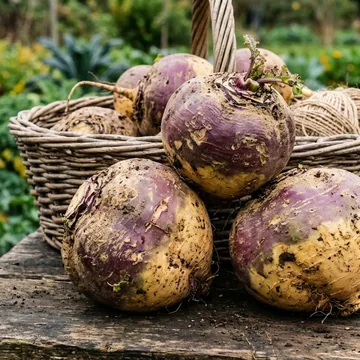
Rutabaga
Grows well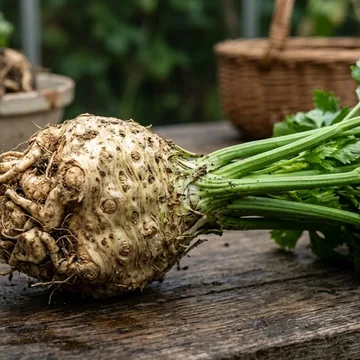
Celeriac
Grows well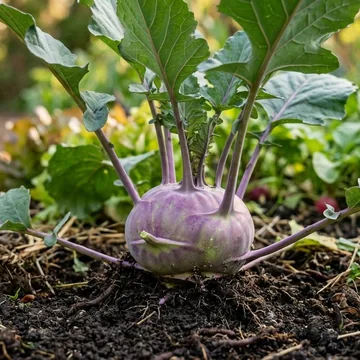
Kohlrabi
Grows well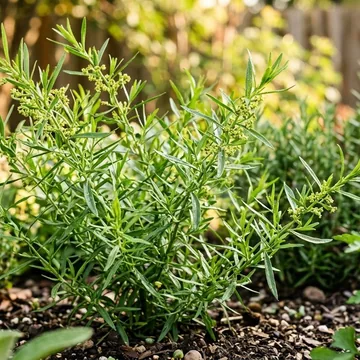
French Tarragon
Grows well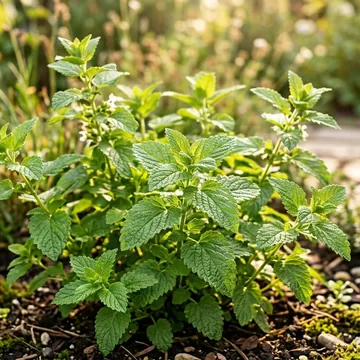
Lemon Balm
Grows well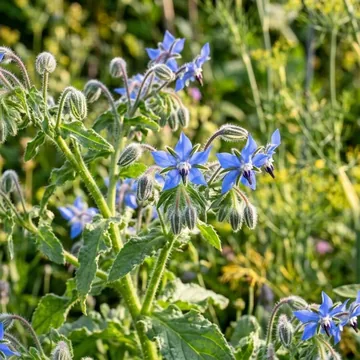
Borage
Grows well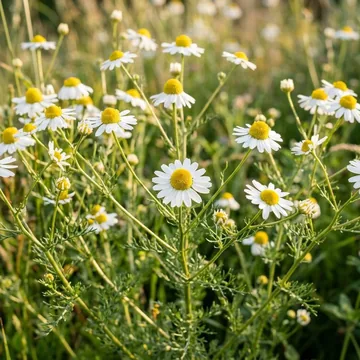
German Chamomile
Grows well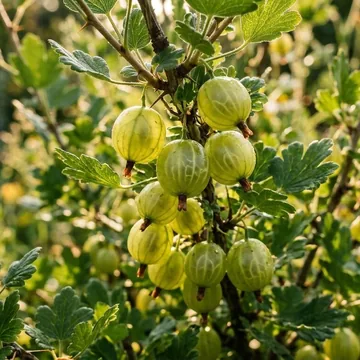
Gooseberry
Grows well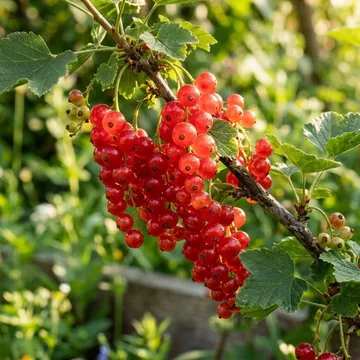
Red Currant
Grows well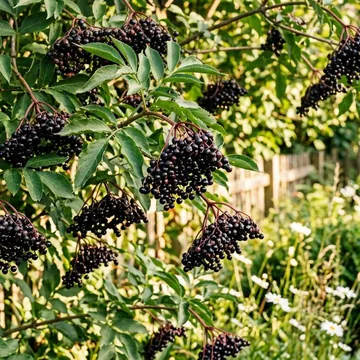
Elderberry
Grows well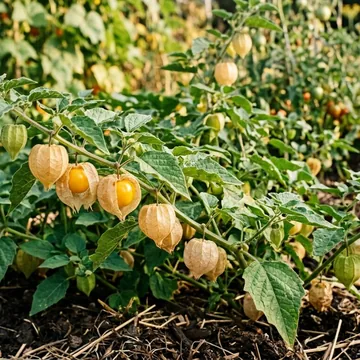
Ground Cherry
Grows well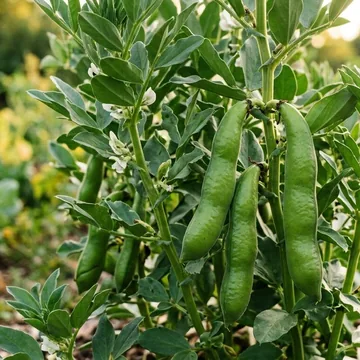
Fava Beans
Grows well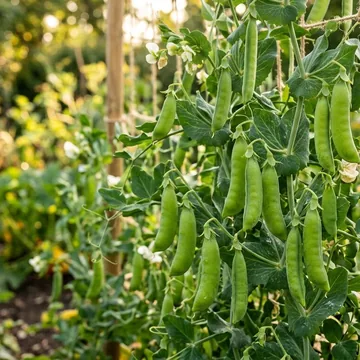
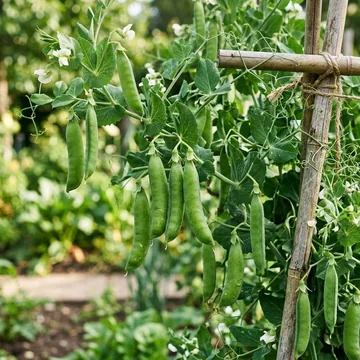
Snap Peas
Grows well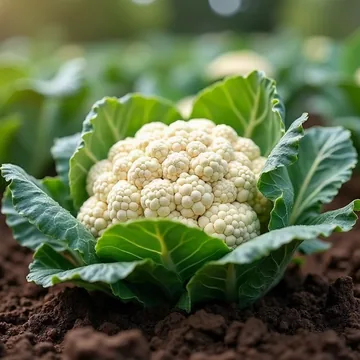
Cauliflower
Grows well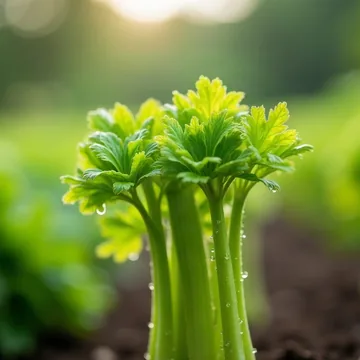
Celery
Grows well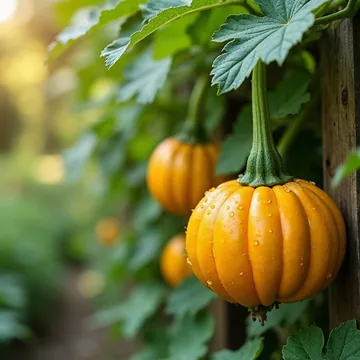
Winter Squash
Grows well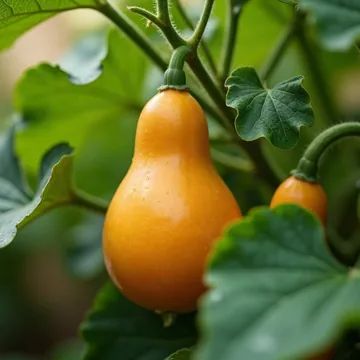
Butternut Squash
Grows well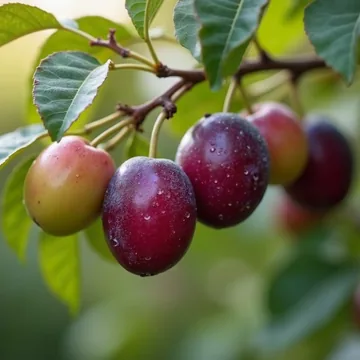
Plum
Grows well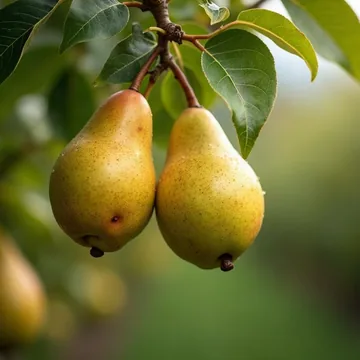
Pear
Grows well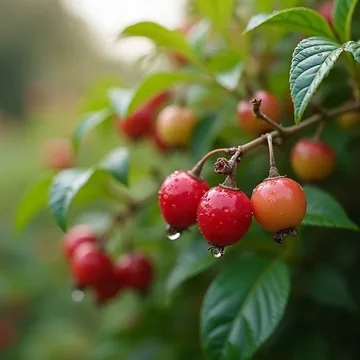
Cranberry
Grows well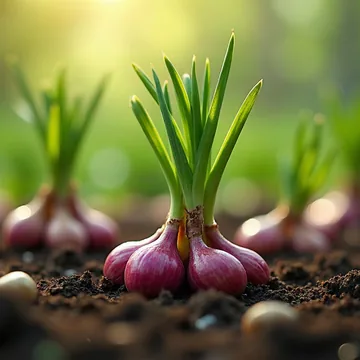
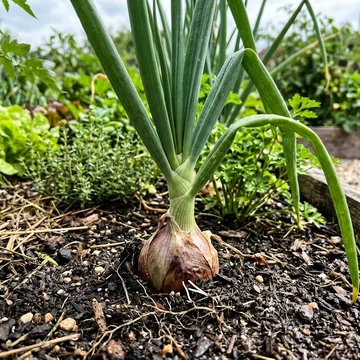
Shallot
Grows well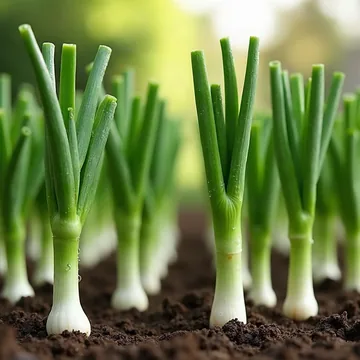
Scallion
Grows well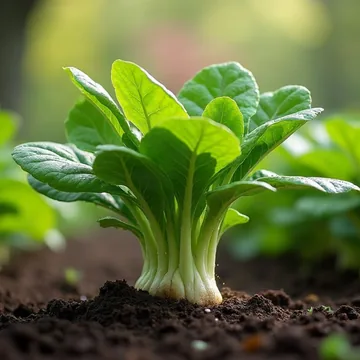
Horseradish
Grows well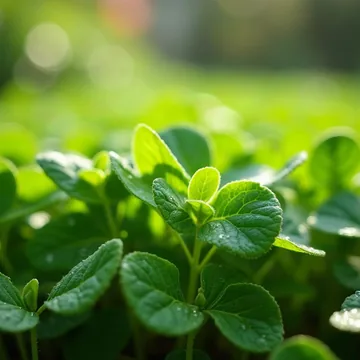
Watercress
Grows well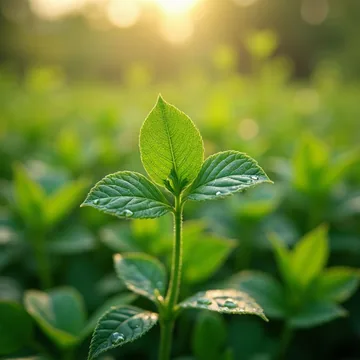
Sorrel
Grows well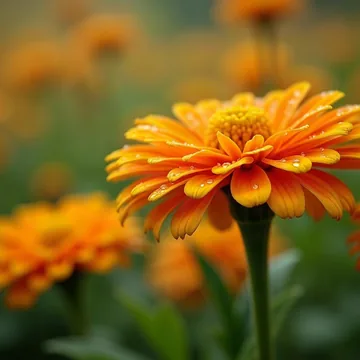
Calendula
Grows wellLocal favourites in Yellowknife: kale, lettuce, peas, radishes.
Borderline — needs extra care
Frequently asked questions
What hardiness zone is Yellowknife, NT in?
Yellowknife, NT is in Canadian Hardiness Zone 1. This drives everything about what you can reliably grow — it maps directly to how cold your winters get.
When is the last frost in Yellowknife?
The average last spring frost in Yellowknife is around June 5, and the first fall frost is typically September 1. Plan to move tender plants outside after June 5 and have them harvested (or protected) before September 1.
What grows well in Yellowknife?
Plenty — Yellowknife's Canadian Zone 1 climate supports 30+ crops. Some of the easiest and most reliable here are Microgreens, Turnip, Rutabaga.
How long is Yellowknife's growing season?
Yellowknife typically has around 70 frost-free days per year (roughly June 5 to September 1). That's a short season — focus on fast-maturing and cool-season crops (greens, roots, peas), start warm-season plants indoors, and use season extension like row covers.
What should I plant first in Yellowknife?
Go with fast-maturing crops to get a quick win while the season is short: Microgreens, Scallion, Watercress are among the quickest from seed to harvest in Yellowknife.
Can I grow vegetables in containers in Yellowknife?
Yes — Yellowknife's climate is container-friendly for the right crops. Cabbage, Turnip, Kohlrabi all do well in pots, which also lets you start them a little earlier and move them in on cold nights.
When should I start seeds indoors in Yellowknife?
For warm-season crops like Cabbage, Celeriac, Kohlrabi, start seeds indoors 6–8 weeks before your last frost (around June 5), then transplant after the danger of frost has passed.
What's tricky to grow in Yellowknife?
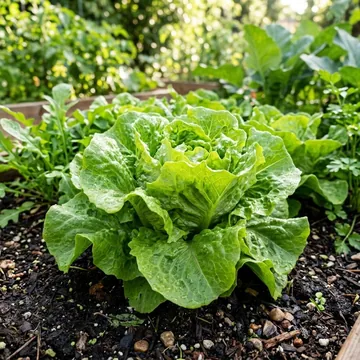
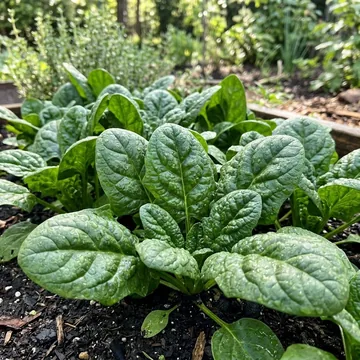
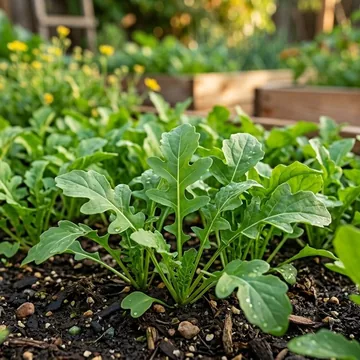
A few crops need extra care in Yellowknife's climate — Lettuce, Spinach, Kale are borderline here and may need season extension (row covers, cold frames, or a head start indoors).