How to Grow Calendula
Zones 2a–11b · Beginner · 50–70 days
Container-friendlyBalcony/patioFall-plantedDeer-resistantCalendula (pot marigold) is a cheerful, easy annual flower with edible petals — a pollinator magnet and a classic companion plant that repels pests throughout the garden.
Light
Water
Soil
Days to harvest
Start indoors
When to plant Calendulas
Your exact dates depend on your last frost date. Enter your location to get your personalized planting calendar.
In general: start seeds indoors 4 weeks before your last frost, and expect harvest ~50–70 days later. See zone 2a →
Growing guide
Overview
Calendula (pot marigold) is a cool-season annual flower with daisy-like blooms in shades of orange and yellow. Growers love it because the petals are edible, it attracts pollinators, and it blooms over a long season. It needs full sun, moderate water, and well-drained soil to thrive.
Soil & planting prep
Calendula grows best in loamy, well-drained soil with a pH between 6.0 and 7.0. Before planting, work in 2 to 3 inches of compost to improve fertility and drainage. Space plants 9 to 12 inches apart and sow seeds about 1/4 inch deep.
When to plant
Calendula is a cool-season annual. In spring, direct sow seeds or set out transplants about 2 weeks before your last frost date, as the plants tolerate light frost. You can also start seeds indoors 4 weeks before last frost. In mild-winter areas (zones 8–11), plant again in late summer or early fall for winter blooms.
How to plant
- Choose a spot in full sun with well-drained soil.
- Work 2 to 3 inches of compost into the top 6 inches of soil.
- Sow seeds 1/4 inch deep, spacing them 9 to 12 inches apart.
- Water gently after planting to settle the soil.
- Keep the soil evenly moist until seedlings emerge, usually in 7 to 14 days.
5 common mistakes to avoid
- Planting too late in spring: Calendula stops blooming in intense summer heat, so delay planting and you’ll get weak growth and few flowers. Sow or transplant early, about 2 weeks before last frost, to enjoy a long bloom season.
- Overwatering: Calendula is prone to root rot in soggy soil. Water only when the top inch of soil feels dry, and ensure the planting area drains well.
- Not deadheading: If you leave spent blooms on the plant, it will stop producing new flowers and put energy into seed production. Remove faded flowers regularly to keep it blooming.
- Crowding plants: Planting closer than 9 inches apart reduces airflow and encourages powdery mildew. Thin seedlings or space transplants to the recommended distance.
- Growing in too much shade: Calendula needs full sun to bloom well. In less than 6 hours of direct sun, plants become leggy and produce few flowers.
Harvesting & storage
Harvest calendula flowers when they are fully open, ideally in the morning after dew has dried. Cut or pinch off the blooms at the stem, and deadhead regularly to encourage more flowers. Use petals fresh, or dry whole flowers in a cool, dark place and store them in an airtight container.
Companion planting
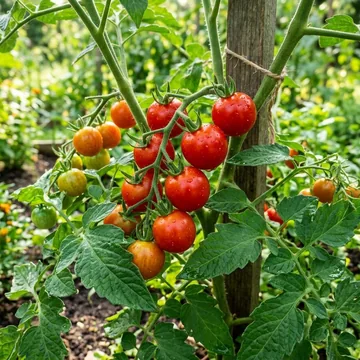
Calendula is a good companion for tomatoes, cucumbers, and other vegetables because it attracts beneficial insects and can help repel pests. Avoid planting it near fennel, which can inhibit its growth.
Growing in containers
Calendula grows well in containers. Use a pot that holds at least 1 gallon of potting mix per plant, and place it in full sun. Water when the top inch of soil dries out, and fertilize lightly if growth slows.
Pro tips
Direct sow after last frost or start indoors 4 weeks earlier. Deadhead to keep it blooming. Edible petals brighten salads and are used in natural salves.
Grow Calendulas this season
Get calendula seeds and supplies matched to your climate.
Shop calendula seeds →We may earn a commission when you buy through links on our site. Full disclosure.
Frequently asked questions
How long do Calendulas take to grow?
Calendulas take about 50–70 days, plus 4 weeks to start seeds indoors.
What zone does Calendula grow in?
Calendulas grow in USDA Hardiness Zones 2a–11b.
Can you grow Calendula in a container?
Yes — Calendulas grow well in containers. A 1-gallon pot or larger is ideal.
Is Calendula hard to grow?
Difficulty: Beginner. Calendula (pot marigold) is a cheerful, easy annual flower with edible petals — a pollinator magnet and a classic companion plant that repels pests throughout the garden.
Is Calendula safe for dogs and cats?
Calendulas are safe for both dogs and cats.
Grows well with
Companion plants that help calendula — improving growth, repelling pests, or attracting pollinators.
More plants to grow
Popular guides readers also check.
🌱 Get calendula planting dates for your zone
Get your personalized "what to plant and when" calendar for your zone — plus tips when each crop is ready. Free, unsubscribe anytime.