Home › Plants › Butternut Squash
How to Grow Butternut Squash
Zones 3a–10b · Beginner · 100–120 days
Butternut squash is the most popular winter squash — sweet, smooth, and superb for storage. A vigorous vining plant that needs warm weather and room to sprawl.
Light
Water
Soil
Days to harvest
Start indoors
When to plant Butternut Squashes
Your exact dates depend on your last frost date. Enter your location to get your personalized planting calendar.
In general: start seeds indoors 4 weeks before your last frost, and expect harvest ~100–120 days later. See zone 3a →
Growing guide
Overview
Butternut squash is a warm-season winter squash grown for its sweet, dense orange flesh and its excellent storage life. It’s a vigorous vining plant that needs full sun, warm soil, and plenty of room to sprawl. Give it a long frost-free season and consistent moisture, and you’ll harvest squash that keeps for months.
Soil & planting prep
Butternut squash grows best in loose, loamy, well-drained soil rich in organic matter, with a pH around 6.0 to 6.8. Work in 2 to 3 inches of compost before planting. Space plants 36 to 48 inches apart in rows 6 to 8 feet apart, or plant in hills 4 to 6 feet apart. Sow seeds 1 inch deep.
When to plant
Butternut squash is not frost tolerant, so wait until all danger of frost has passed and soil has warmed to at least 60°F — usually 1 to 2 weeks after your last frost date. You can start seeds indoors 4 weeks before your last frost date, but transplant carefully to avoid disturbing the roots. In short-season areas, starting indoors gives you a head start on the 100 to 120 days needed to maturity.
How to plant
- Choose a site in full sun with loose, well-drained soil and plenty of space for vines to run.
- Improve the soil by mixing in 2 to 3 inches of compost or well-rotted manure before planting.
- Direct sow seeds 1 inch deep after the last frost, spacing 36 to 48 inches apart; or start seeds indoors 4 weeks before last frost in biodegradable pots.
- If transplanting, harden off seedlings for several days, then set them out after the last frost, taking care not to disturb the roots.
- Water gently after planting and keep the soil consistently moist but not soggy; mulch to retain moisture and suppress weeds.
5 common mistakes to avoid
- Planting too early in cold soil — butternut squash seeds and seedlings rot or stall when soil is below 60°F, so wait until the soil has warmed after your last frost date.
- Not giving vines enough room — butternut squash is a vigorous sprawler, and crowding it reduces airflow and yields; space plants 36 to 48 inches apart and provide a trellis if space is tight.
- Inconsistent watering — drought stress followed by heavy watering can cause blossom-end rot and poor fruit development; keep soil evenly moist with about 1 inch of water per week.
- Over-fertilizing with nitrogen — too much nitrogen produces huge vines and few female flowers; use a balanced fertilizer or compost before planting and avoid high-nitrogen side dressings.
- Harvesting too early — butternut squash needs 100 to 120 days to mature, and picking before the skin turns hard and tan means poor flavor and short storage life; wait until the rind is hard and the stem is dry.
Harvesting & storage
Butternut squash is ready when the skin turns a deep tan, the rind is hard enough that you can’t dent it with a fingernail, and the stem dries and turns brown. Cut the fruit from the vine with a few inches of stem attached, then cure it in a warm, dry spot (80–85°F) for 1 to 2 weeks. Store cured squash in a cool, dry place at 50–55°F, where it keeps for several months.
Companion planting
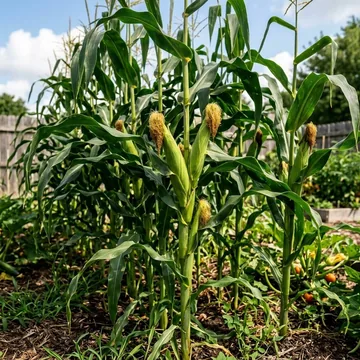
Good companions for butternut squash include corn, beans, and nasturtiums, which can help repel pests. Avoid planting near potatoes, which can compete for nutrients and may increase disease risk.
Growing in containers
Butternut squash is not well suited to containers because it’s a large, sprawling vine that needs a lot of root space and room to run. If you must grow it in a pot, use at least a 10-gallon container and provide a sturdy trellis, but expect smaller yields than in-ground plants.
Pro tips
Direct sow after last frost or start indoors 3-4 weeks earlier. Harvest when skin turns tan and hard. Cure 1-2 weeks in a warm spot before storing in a cool dry place.
Grow Butternut Squashes this season
Get butternut squash seeds and supplies matched to your climate.
Shop butternut squash seeds →We may earn a commission when you buy through links on our site. Full disclosure.
Frequently asked questions
How long do Butternut Squashes take to grow?
Butternut Squashes take about 100–120 days, plus 4 weeks to start seeds indoors.
What zone does Butternut Squash grow in?
Butternut Squashes grow in USDA Hardiness Zones 3a–10b.
Can you grow Butternut Squash in a container?
Butternut Squashes are usually grown in the ground or a large raised bed rather than a container.
Is Butternut Squash hard to grow?
Difficulty: Beginner. Butternut squash is the most popular winter squash — sweet, smooth, and superb for storage. A vigorous vining plant that needs warm weather and room to sprawl.
Is Butternut Squash safe for dogs and cats?
Butternut Squashes are safe for both dogs and cats.
Grows well with
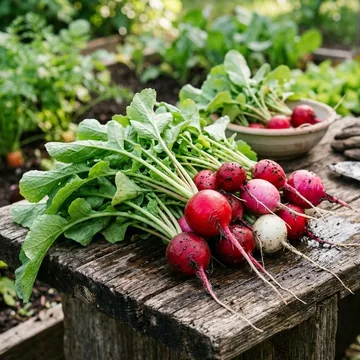
Companion plants that help butternut squash — improving growth, repelling pests, or attracting pollinators.
Keep away from: Potato.
More plants to grow
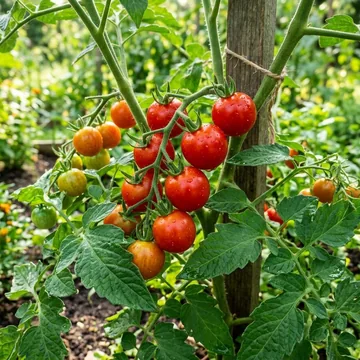
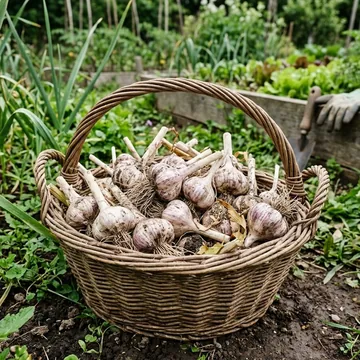
Popular guides readers also check.
🌱 Get butternut squash planting dates for your zone
Get your personalized "what to plant and when" calendar for your zone — plus tips when each crop is ready. Free, unsubscribe anytime.