How to Grow Celeriac
Zones 3a–9b · Advanced · 110–120 days
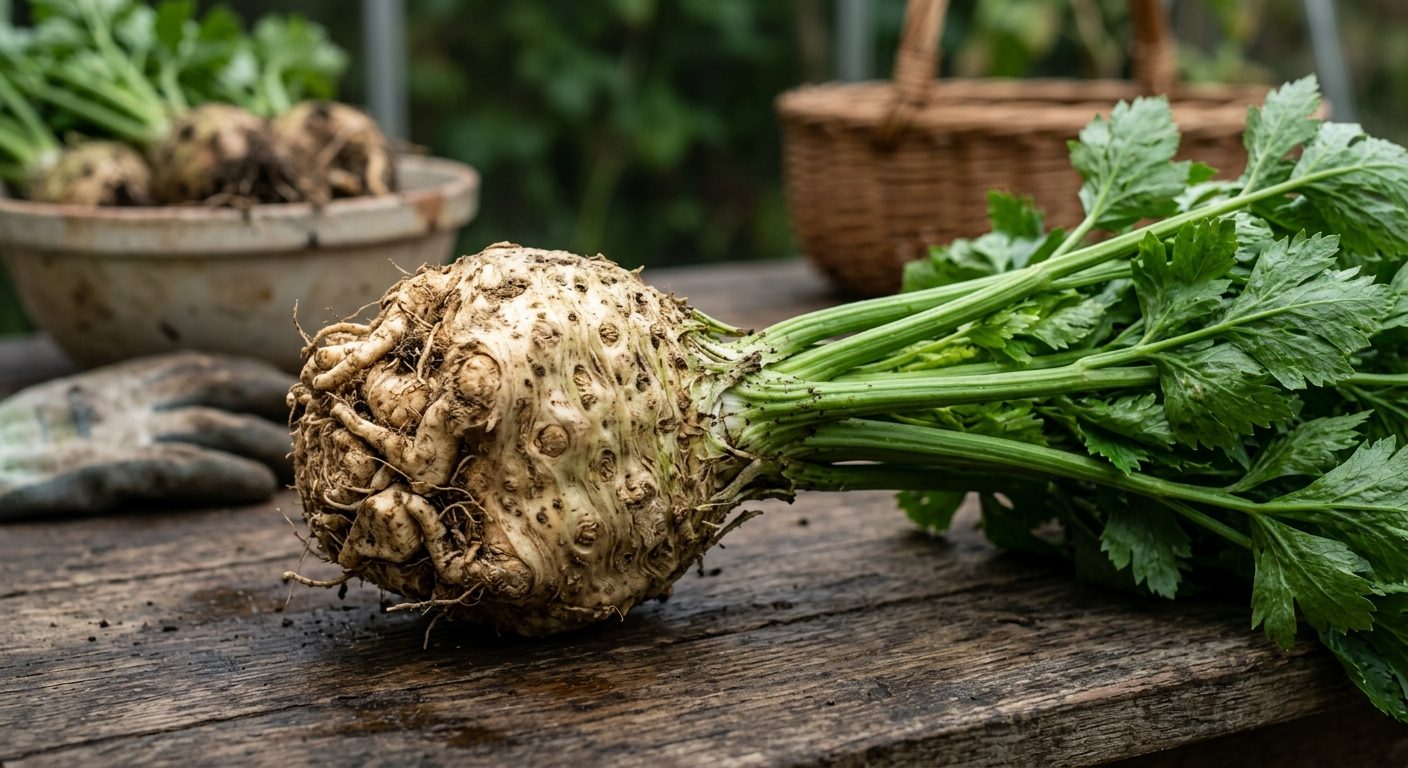
Celeriac (celery root) is a rewarding but demanding crop with a long growing season. The knobbly root has a mild celery-like flavor and stores well all winter.
Light
Water
Soil
Days to harvest
Start indoors
When to plant Celeriacs
Your exact dates depend on your last frost date. Enter your location to get your personalized planting calendar.
In general: start seeds indoors 10 weeks before your last frost, and expect harvest ~110–120 days later. See zone 3a →
Growing guide
Overview
Celeriac, also called celery root, is a knobby, bulbous vegetable with a mild celery flavor that stores well into winter. It’s an advanced crop because it needs a long season, constant moisture, and steady feeding to size up without turning woody. Growers who give it rich soil and regular water are rewarded with roots that keep for months.
Soil & planting prep
Celeriac needs loamy, well-drained, rich soil with plenty of organic matter; it prefers a pH between 6.0 and 7.0. Work in 2–3 inches of compost before planting. Space plants 8–12 inches apart in rows 18–24 inches apart, setting them so the crown sits just at the soil line—do not bury the growing point.
When to plant
Start seeds indoors 10 weeks before your last frost date—this is one of the earliest indoor starts of the season. Transplant seedlings outdoors after all frost risk has passed and soil has warmed. In short-season areas, start even earlier or choose a fast-maturing variety, because celeriac needs 110–120 days to reach harvest.
How to plant
- Sow seeds indoors 10 weeks before last frost, barely covering them with light seed-starting mix and keeping the surface moist.
- Harden off seedlings for 7–10 days before transplanting, gradually exposing them to outdoor conditions.
- Prepare a bed with 2–3 inches of compost worked into the top 6 inches of soil; ensure good drainage.
- Transplant seedlings 8–12 inches apart in rows 18–24 inches apart, setting the crown at soil level and firming gently.
- Water immediately after transplanting and keep the bed consistently moist—never let it dry out completely.
5 common mistakes to avoid
- Starting seeds too late: celeriac needs 110–120 days, so if you sow indoors less than 10 weeks before last frost, the roots won’t size up before fall freezes; start on time and transplant promptly.
- Letting the soil dry out: celeriac is shallow-rooted and demands constant moisture; drought stress causes hollow, woody, or bitter roots, so water deeply at least twice a week and mulch to hold moisture.
- Planting too deeply: burying the crown (where leaves emerge) rots the growing point; set transplants so the crown is exactly at soil level, never below.
- Skipping side-root trimming: if you don’t remove the small side roots that form on the bulb, they divert energy and create a knobby, hairy root; trim them with scissors when they appear, starting about a month after transplanting.
- Harvesting too early or too late: pulling before 110 days gives small, fibrous roots, while leaving them past a hard freeze turns them mushy; harvest when the bulb is 3–4 inches across and before the first hard freeze (below 28°F).
Harvesting & storage
Celeriac is ready when the bulb reaches 3–4 inches across, usually 110–120 days after transplanting; the top leaves may start to yellow slightly. Loosen the soil with a fork and lift the root, cutting the stems off about 1 inch above the crown. Store in a cool, humid place (32–40°F) in damp sand or a plastic bag with holes; it keeps for several months.
Companion planting
Good companions for celeriac include leeks, onions, cabbage, and beans, which share similar moisture needs and can help repel pests. Avoid planting it near carrots or parsnips, as they compete for the same nutrients and can attract similar pests.
Growing in containers
Celeriac is not recommended for containers—it needs a large volume of consistently moist, rich soil to develop a full-sized root. Grow it in the ground or in a raised bed for best results.
Pro tips
Start indoors 10-12 weeks before last frost — one of the earliest indoor starts of the season. Transplant after all frost risk. Keep consistently moist. Trim side roots as bulb develops. Harvest before hard freeze.
Grow Celeriacs this season
Get celeriac seeds and supplies matched to your climate.
Shop celeriac seeds →We may earn a commission when you buy through links on our site. Full disclosure.
Frequently asked questions
How long do Celeriacs take to grow?
Celeriacs take about 110–120 days, plus 10 weeks to start seeds indoors.
What zone does Celeriac grow in?
Celeriacs grow in USDA Hardiness Zones 3a–9b.
Can you grow Celeriac in a container?
Celeriacs are usually grown in the ground or a large raised bed rather than a container.
Is Celeriac hard to grow?
Difficulty: Advanced. Celeriac (celery root) is a rewarding but demanding crop with a long growing season. The knobbly root has a mild celery-like flavor and stores well all winter.
Is Celeriac safe for dogs and cats?
Celeriacs are safe for both dogs and cats.
Grows well with
Companion plants that help celeriac — improving growth, repelling pests, or attracting pollinators.
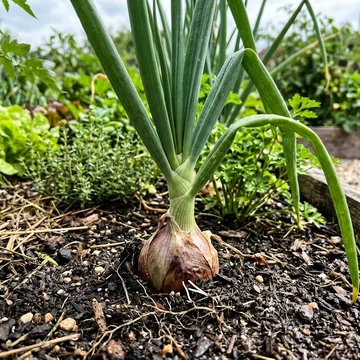
Keep away from: Parsnip.
More plants to grow
Popular guides readers also check.
🌱 Get celeriac planting dates for your zone
Get your personalized "what to plant and when" calendar for your zone — plus tips when each crop is ready. Free, unsubscribe anytime.