How to Grow Parsnip
Zones 2a–9b · Intermediate · 100–130 days
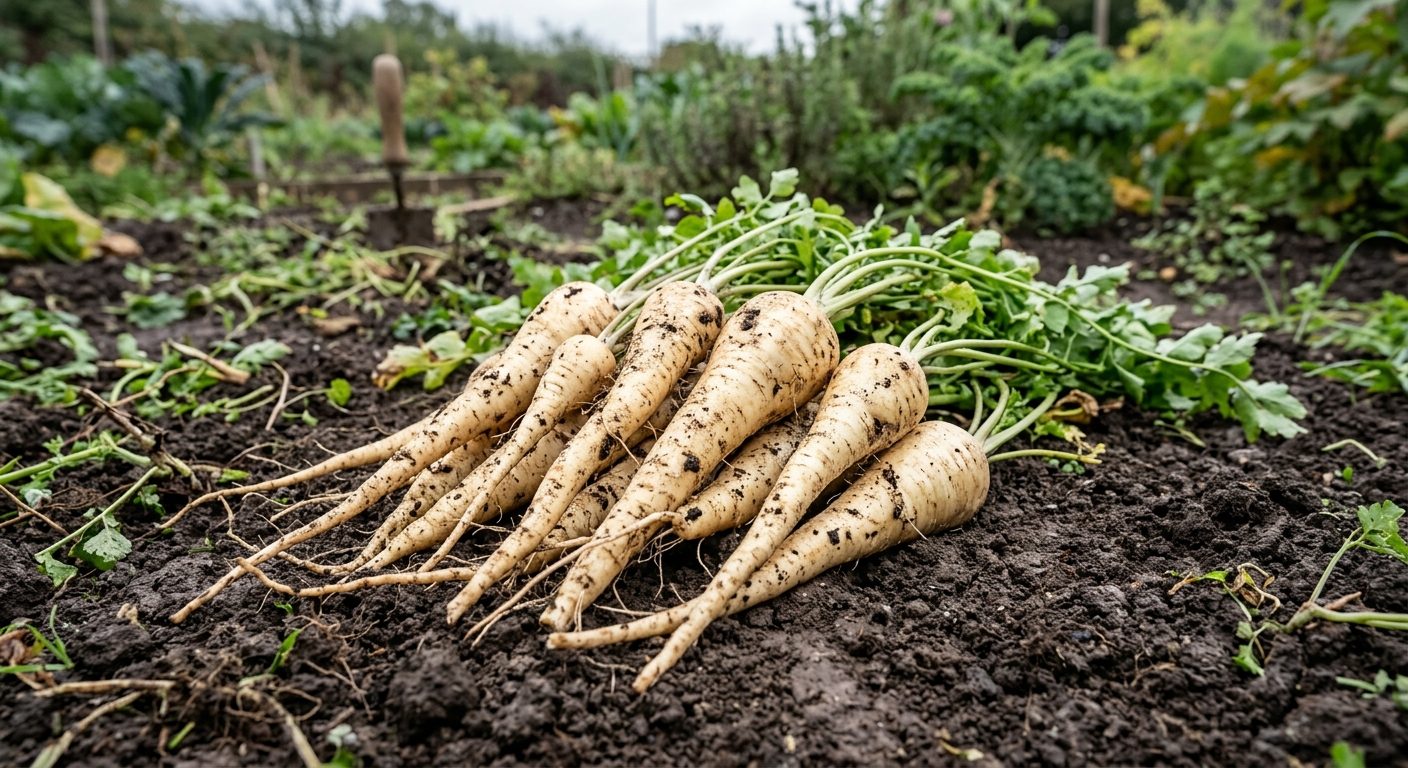
Parsnips are an underrated root vegetable — sweet and nutty after frost exposure. They need deep, loose soil and a long season but reward patience with exceptional flavor.
Light
Water
Soil
Days to harvest
When to plant Parsnips
Your exact dates depend on your last frost date. Enter your location to get your personalized planting calendar.
In general: direct-sow or transplant after your last frost, and expect harvest ~100–130 days later. See zone 2a →
Growing guide
Overview
Parsnip is a long-season root vegetable in the carrot family with sweet, nutty flavor that deepens after frost exposure. Growers prize it for roasting, mashing, and winter soups, but it requires patience and the right conditions: fresh seed, full sun, deep loose soil, and steady moisture. It is frost tolerant and is normally left in the ground through fall cold to sweeten.
Soil & planting prep
Parsnips need deep, loose, well-drained loamy or sandy soil with no rocks or hardpan, which can fork the roots. Aim for a pH of about 6.0–6.8, and avoid fresh manure or heavy nitrogen. Sow seed ½ inch deep and thin seedlings to 6 inches apart in rows 12–18 inches apart.
When to plant
Direct sow only, 3–4 weeks before your average last spring frost, as soon as the soil can be worked. Parsnip seed germinates slowly in cool soil, so do not wait until warm weather; in zones 8–9, sow in late winter or very early spring. Do not start parsnips indoors or transplant them.
How to plant
- Pick a full-sun bed with deep, loose, loamy or sandy soil, and remove stones, clods, and hardpans that can deform roots.
- Direct sow fresh seed 3–4 weeks before the last frost, placing seed ½ inch deep and about 1 inch apart.
- Water lightly and keep the seedbed moist but not waterlogged; germination can take 14–28 days and the surface must not crust over.
- When seedlings are about 2 inches tall, thin them to 6 inches apart so each root has enough space to size up.
- Weed carefully by hand or shallow cultivation, water moderately, and avoid high-nitrogen fertilizer that promotes split or hairy roots.
5 common mistakes to avoid
- Using old parsnip seed is a common cause of patchy germination because parsnip seed loses viability quickly; buy fresh seed every season and sow generously.
- Starting parsnips indoors or transplanting seedlings disturbs the taproot and produces forked, misshapen roots; direct sow only in the garden bed.
- Growing parsnips in rocky, compacted, or freshly manured soil causes forked and stunted roots; prepare a deep, stone-free bed before sowing.
- Skipping thinning or thinning too late leaves roots crowded and undersized; thin plants to 6 inches while seedlings are still small.
- Harvesting all parsnips before frost misses the cold conversion of starch to sugar; leave roots in the ground through a few light frosts to improve sweetness.
Harvesting & storage
Parsnips are ready about 100–130 days after sowing, but flavor is best after several frosts. Loosen soil with a digging fork and lift the root rather than pulling by the tops. Trim leaves to about 1 inch and store roots in a refrigerator or root cellar; you can also leave mature roots in the ground and dig them as needed through winter where soil is workable.
Companion planting
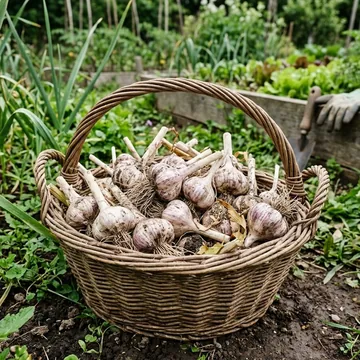
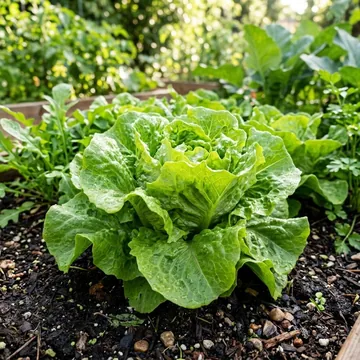
Good companions include onions, garlic, lettuce, radishes, and peas. Avoid planting parsnips close to carrots or celery, which share similar pests.
Growing in containers
Parsnips are not a practical container crop because their long taproot needs deep, loose, in-ground soil. Grow them in the ground or a deep raised bed rather than a pot or planter.
Pro tips
Direct sow only — parsnips do not transplant well. Sow fresh seed (old seed has poor germination) 3-4 weeks before last frost. Thin to 6 inches. Leave in ground after frost — cold converts starch to sugar.
Grow Parsnips this season
Get parsnip seeds and supplies matched to your climate.
Shop parsnip seeds →We may earn a commission when you buy through links on our site. Full disclosure.
Frequently asked questions
How long do Parsnips take to grow?
Parsnips take about 100–130 days.
What zone does Parsnip grow in?
Parsnips grow in USDA Hardiness Zones 2a–9b.
Can you grow Parsnip in a container?
Parsnips are usually grown in the ground or a large raised bed rather than a container.
Is Parsnip hard to grow?
Difficulty: Intermediate. Parsnips are an underrated root vegetable — sweet and nutty after frost exposure. They need deep, loose soil and a long season but reward patience with exceptional flavor.
Is Parsnip safe for dogs and cats?
Parsnips are safe for both dogs and cats.
Grows well with
Companion plants that help parsnip — improving growth, repelling pests, or attracting pollinators.
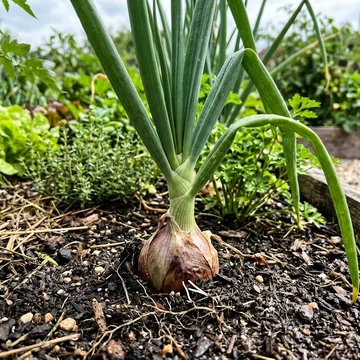
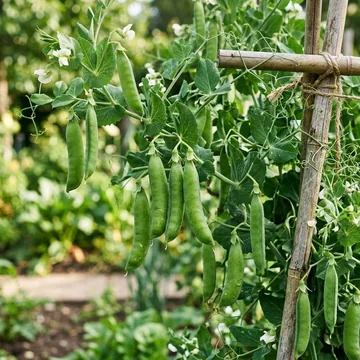
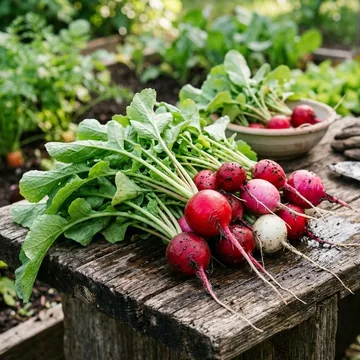
Keep away from: Carrot, Dill.
More plants to grow
Popular guides readers also check.
🌱 Get parsnip planting dates for your zone
Get your personalized "what to plant and when" calendar for your zone — plus tips when each crop is ready. Free, unsubscribe anytime.