How to Grow Rutabaga
Zones 2a–9b · Beginner · 90–105 days
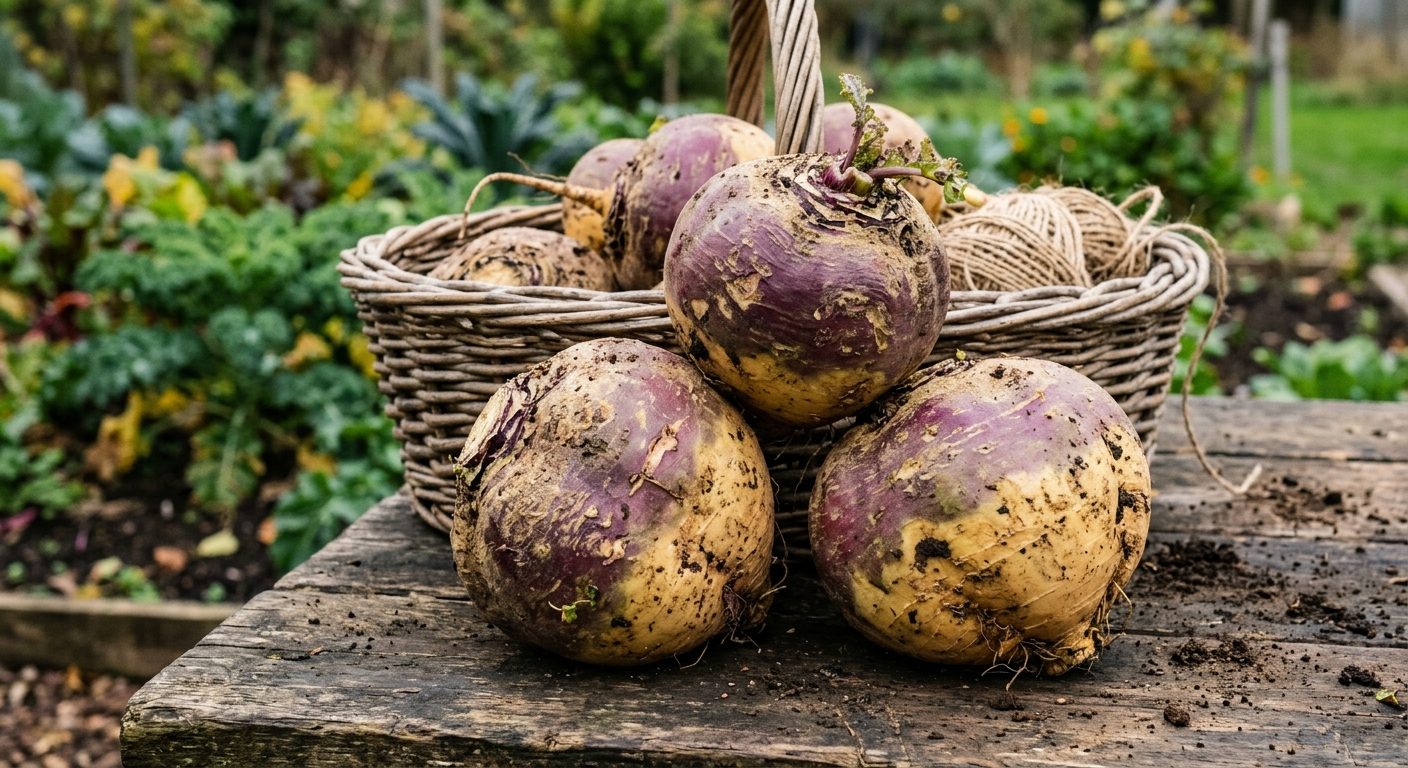
Rutabaga is a cold-climate staple — a cross between turnip and cabbage that stores exceptionally well through winter. Hearty flavor that improves after frost.
Light
Water
Soil
Days to harvest
When to plant Rutabagas
Your exact dates depend on your last frost date. Enter your location to get your personalized planting calendar.
In general: direct-sow or transplant after your last frost, and expect harvest ~90–105 days later. See zone 2a →
Growing guide
Overview
Rutabaga is a cold-hardy root vegetable, a cross between turnip and cabbage, grown for its sweet, dense roots and edible greens. Gardeners love it because it stores for months and its flavor actually improves after a few frosts. It needs full sun, consistent moisture, and a long, cool growing season to size up well.
Soil & planting prep
Rutabaga does best in loose, well-drained loamy or clay soil that has been worked deeply to allow roots to expand. Aim for a soil pH between 6.0 and 6.8; add compost or aged manure in fall or early spring. Sow seeds ¼ to ½ inch deep and thin seedlings to 6–8 inches apart in rows 18–24 inches apart.
When to plant
Direct sow rutabaga in mid-to-late summer, about 90–110 days before your first expected fall frost — this is the ideal timing for a fall crop. In cool northern areas (zones 2–4), you can also sow in early spring as soon as the soil can be worked, but fall planting is preferred because roots mature in cool weather. Do not start rutabaga indoors; it does not transplant well.
How to plant
- Choose a sunny spot with loose, well-drained soil and remove rocks or clods that can deform roots.
- Sow seeds directly in the garden ¼ to ½ inch deep, spacing seeds 1 inch apart in rows 18–24 inches apart.
- Water gently and keep the soil consistently moist until seedlings emerge, usually in 7–14 days.
- When seedlings are 2–3 inches tall, thin them to stand 6–8 inches apart — this is critical for proper root development.
- Side-dress with compost or a low-nitrogen fertilizer about 4–6 weeks after sowing, and keep the area weed-free.
5 common mistakes to avoid
- Sowing too late in spring for a summer harvest — rutabaga needs cool weather and will be woody and bitter if roots mature in heat; instead, time your sowing so roots size up in autumn.
- Failing to thin seedlings properly — crowded plants produce small, misshapen roots; thin to 6–8 inches apart when seedlings are 2–3 inches tall.
- Letting the soil dry out — uneven moisture causes tough, cracked, or pithy roots; water deeply once a week, more in drought, to keep soil evenly moist.
- Planting in fresh manure or high-nitrogen soil — this encourages leafy tops at the expense of roots; use well-rotted compost and avoid nitrogen-heavy fertilizers.
- Harvesting too early or too late — roots left in the ground too long become woody, while those pulled too soon lack sweetness; wait until roots are 3–5 inches across and have had a few frosts.
Harvesting & storage
Rutabaga is ready when roots are 3–5 inches in diameter, typically 90–105 days after sowing, and flavor is best after several light frosts. Loosen the soil with a fork and pull roots by hand, cutting the tops to 1 inch above the crown. Store in a cool, humid place (32–40°F) such as a root cellar or refrigerator for several months.
Companion planting
Good companions for rutabaga include peas, beans, and clover, which add nitrogen to the soil, as well as onions and leeks, which may help repel pests. Avoid planting near potatoes, which can compete for nutrients and share similar pests.
Growing in containers
Rutabaga is not well-suited to containers because its roots need deep, unobstructed soil to develop properly. Grow it in the ground or in a raised bed at least 12 inches deep for best results.
Pro tips
Direct sow 90-110 days before first frost — a fall crop is ideal. Thin to 6-8 inches. Harvest after several frosts for best flavor. Stores well in root cellar or refrigerator for months.
Grow Rutabagas this season
Get rutabaga seeds and supplies matched to your climate.
Shop rutabaga seeds →We may earn a commission when you buy through links on our site. Full disclosure.
Frequently asked questions
How long do Rutabagas take to grow?
Rutabagas take about 90–105 days.
What zone does Rutabaga grow in?
Rutabagas grow in USDA Hardiness Zones 2a–9b.
Can you grow Rutabaga in a container?
Rutabagas are usually grown in the ground or a large raised bed rather than a container.
Is Rutabaga hard to grow?
Difficulty: Beginner. Rutabaga is a cold-climate staple — a cross between turnip and cabbage that stores exceptionally well through winter. Hearty flavor that improves after frost.
Is Rutabaga safe for dogs and cats?
Rutabagas are safe for both dogs and cats.
Grows well with
Companion plants that help rutabaga — improving growth, repelling pests, or attracting pollinators.
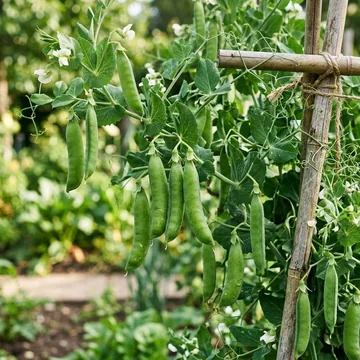
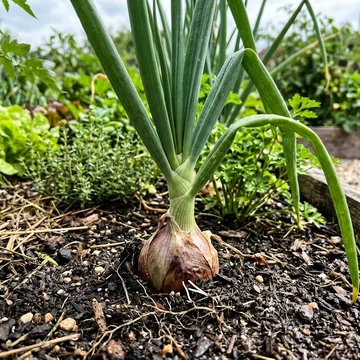
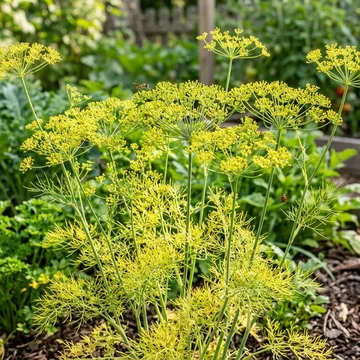
Keep away from: Mustard Greens.
More plants to grow
Popular guides readers also check.

🌱 Get rutabaga planting dates for your zone
Get your personalized "what to plant and when" calendar for your zone — plus tips when each crop is ready. Free, unsubscribe anytime.