How to Grow Fava Beans
Zones 3a–8b · Intermediate · 80–100 days
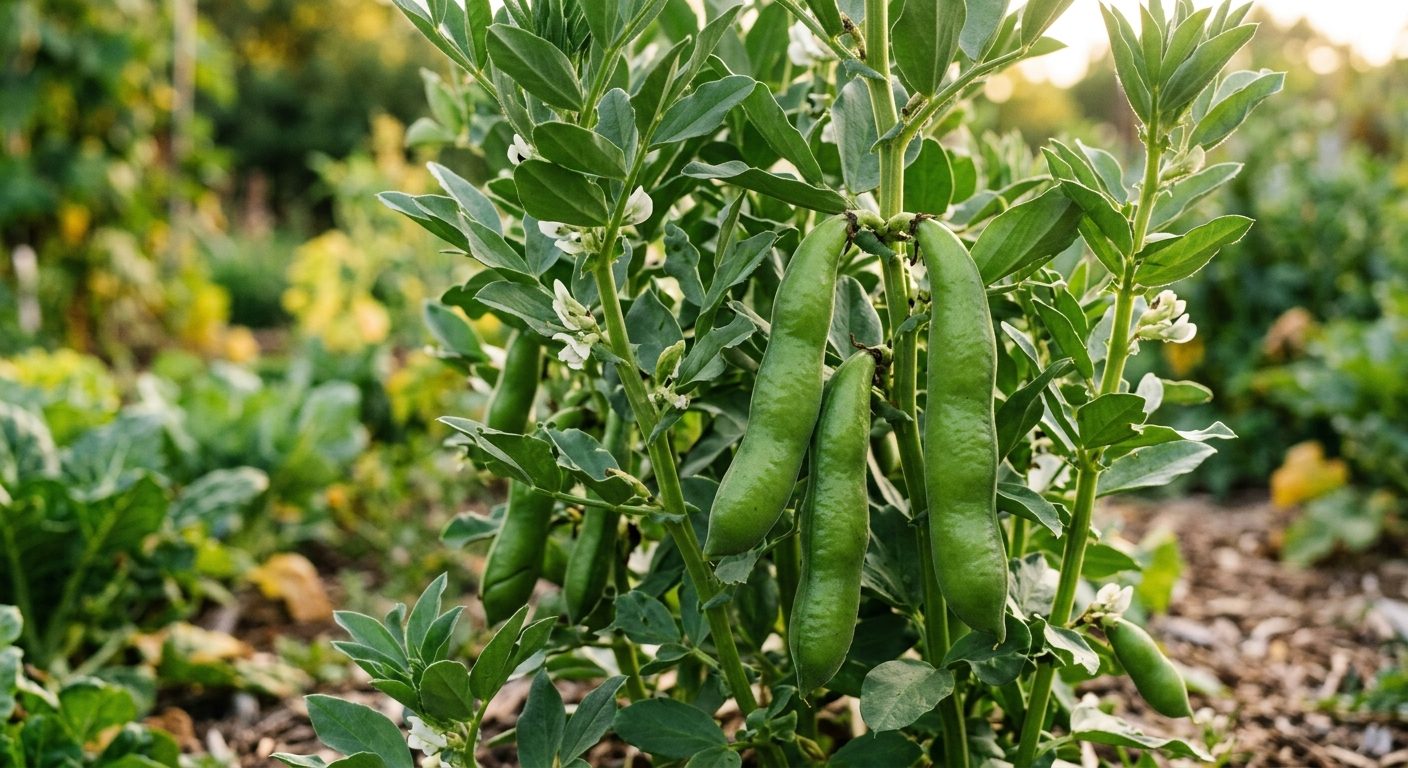
Fava beans (broad beans) are a cool-season legume prized in Mediterranean, Middle Eastern, and North African cuisines. They are one of the earliest spring crops — planted before last frost while soil is still cold.
Light
Water
Soil
Days to harvest
When to plant Fava Beanses
Your exact dates depend on your last frost date. Enter your location to get your personalized planting calendar.
In general: direct-sow or transplant after your last frost, and expect harvest ~80–100 days later. See zone 3a →
Growing guide
Overview
Fava beans (broad beans) are a cool-season legume grown for their buttery, nutty shell beans and young greens. Gardeners value them as one of the earliest spring crops because they tolerate frost and fix nitrogen in the soil. They need full sun, well-drained loamy or clay soil, and cool weather to set pods before summer heat arrives.
Soil & planting prep
Fava beans grow well in loamy or clay soil as long as it drains well. Aim for a near-neutral pH around 6.0–7.0, and mix in an inch of compost before planting, but avoid high-nitrogen fertilizer. Sow seeds 1–2 inches deep, spaced 4–6 inches apart in rows 18–24 inches apart.
When to plant
Direct sow fava beans outdoors 4–6 weeks before your last spring frost date, as soon as the soil can be worked. They are frost tolerant and germinate in cold soil, so do not wait until after the last frost. In the listed zones, plant them as an early spring crop rather than a fall crop.
How to plant
- Choose a full-sun spot with well-drained loamy or clay soil, and loosen the bed before planting.
- Sow seeds 1–2 inches deep and 4–6 inches apart in rows 18–24 inches apart.
- Water lightly after sowing, and keep the soil evenly moist until seedlings emerge; after that, water moderately.
- Add stakes or run twine around the row once plants reach about 12 inches tall, because fava beans can grow 4–5 feet and flop over.
- When plants begin flowering, pinch out the tender growing tips to reduce aphid pressure and encourage pod set.
5 common mistakes to avoid
- Waiting until after the last frost to sow, which pushes flowering and pod fill into hot weather; direct sow 4–6 weeks before last frost so pods set in cool conditions.
- Skipping support so the 4- to 5-foot plants fall over and pods touch the soil; stake or corral the row early.
- Letting black bean aphids build up on the soft growing tips; check the tops and pinch out the tips when flowers appear to reduce populations.
- Applying high-nitrogen fertilizer or rich manure, which produces leafy growth instead of pods because favas fix their own nitrogen.
- Leaving pods on the plant too long, which makes the beans starchy and tough; harvest when beans are just visible through the pod and before pods turn yellow.
Harvesting & storage
Start checking pods about 80–100 days after sowing. Harvest when the beans are just visible through the pod; pods should feel full but still green. Pick regularly to encourage more pods, shell fresh beans within a few days, or blanch and freeze them; for dry beans, leave pods on the plant until dry.
Companion planting
Fava beans fix nitrogen, so they are a good early companion before or alongside leafy greens such as lettuce and spinach. Avoid planting them right after other legumes in the same bed to reduce disease and pest carryover.
Growing in containers
Fava beans are not a good container crop. The plants grow 4–5 feet tall and need staking, so they perform best in the ground; no container size is recommended for this crop.
Pro tips
Direct sow 4-6 weeks before last frost — favas need cool conditions to set pods and fail in summer heat. Support with stakes as plants grow to 4-5 feet. Pinch out growing tips when in flower to reduce aphid problems and improve pod set. Harvest pods when beans are just visible through the pod.
Grow Fava Beanses this season
Get fava beans seeds and supplies matched to your climate.
Shop fava beans seeds →We may earn a commission when you buy through links on our site. Full disclosure.
Frequently asked questions
How long do Fava Beanses take to grow?
Fava Beanses take about 80–100 days.
What zone does Fava Beans grow in?
Fava Beanses grow in USDA Hardiness Zones 3a–8b.
Can you grow Fava Beans in a container?
Fava Beanses are usually grown in the ground or a large raised bed rather than a container.
Is Fava Beans hard to grow?
Difficulty: Intermediate. Fava beans (broad beans) are a cool-season legume prized in Mediterranean, Middle Eastern, and North African cuisines. They are one of the earliest spring crops — planted before last frost while soil is still cold.
Is Fava Beans safe for dogs and cats?
Fava Beanses are safe for both dogs and cats.
Grows well with
Companion plants that help fava beans — improving growth, repelling pests, or attracting pollinators.
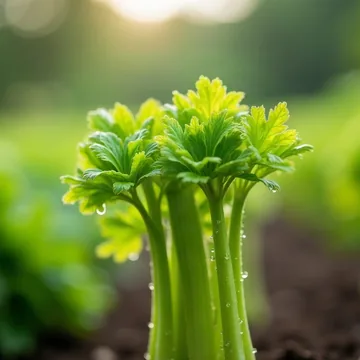
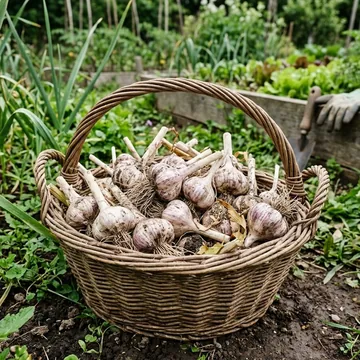
Keep away from: Onion, Garlic.
More plants to grow
Popular guides readers also check.

🌱 Get fava beans planting dates for your zone
Get your personalized "what to plant and when" calendar for your zone — plus tips when each crop is ready. Free, unsubscribe anytime.