How to Grow Winter Squash
Zones 3a–10b · Beginner · 90–120 days
Winter squash (butternut, acorn, spaghetti) are the long-storing hard-skinned squash you plant in spring and harvest in fall. Vigorous, sprawling, and highly productive.
Light
Water
Soil
Days to harvest
Start indoors
When to plant Winter Squashes
Your exact dates depend on your last frost date. Enter your location to get your personalized planting calendar.
In general: start seeds indoors 4 weeks before your last frost, and expect harvest ~90–120 days later. See zone 3a →
Growing guide
Overview
Winter squash are vining vegetables that produce hard-skinned fruit in fall, including butternut, acorn, and spaghetti types. Gardeners love them because they store for months and have rich, sweet flesh. They need full sun, moderate water, and plenty of space—vines can spread 6–8 feet.
Soil & planting prep
Prepare loamy, well-drained soil with a pH between 6.0 and 6.8. Work in compost or aged manure before planting. Space plants 3–4 feet apart in rows 6–8 feet apart, or plant in hills 4–6 feet apart. Sow seeds 1 inch deep.
When to plant
Start seeds indoors 4 weeks before your last frost date. Transplant seedlings outdoors 1–2 weeks after the last frost, when soil has warmed to at least 60°F. In short-season areas, you can also direct sow after the last frost.
How to plant
- Choose a site in full sun with well-drained soil.
- Amend soil with compost or aged manure; ensure pH is 6.0–6.8.
- Sow seeds 1 inch deep, either indoors 4 weeks before last frost or directly outdoors after last frost.
- Space plants 3–4 feet apart in rows 6–8 feet apart, or in hills 4–6 feet apart.
- Water gently after planting and keep soil consistently moist until seedlings establish.
5 common mistakes to avoid
- Planting too early in cold soil—seeds rot and seedlings stall; wait until soil is at least 60°F.
- Not giving vines enough room—crowded plants produce fewer and smaller fruits; allow 6–8 feet per vine or use a sturdy trellis.
- Inconsistent watering—fluctuating moisture causes blossom-end rot and misshapen fruit; water deeply once a week, more in heat.
- Harvesting before the skin hardens—immature squash won’t store; wait until you can’t dent the skin with a fingernail.
- Skipping the curing step—uncured squash rots in storage; cure in a warm, dry place for 1–2 weeks before storing.
Harvesting & storage
Harvest when the skin is hard and you can’t dent it with a fingernail, and the stem is dry and brown. Cut the fruit from the vine, leaving 1–2 inches of stem attached. Cure in a warm, dry place for 1–2 weeks, then store at 50–55°F with good air circulation.
Companion planting
Good companions include corn, beans, and radishes. Avoid planting near potatoes, which can compete for nutrients and increase disease risk.
Growing in containers
Winter squash are not well-suited to containers because vines need 6–8 feet to sprawl. If you must, use a 10-gallon pot with a trellis and a compact variety, but yields will be limited.
Pro tips
Direct sow or start indoors 4 weeks before last frost; transplant after frost. Give vines room (6-8 ft) or a trellis. Harvest when skin is hard and you can't dent it with a fingernail. Cure in a warm place for 1-2 weeks for long storage.
Grow Winter Squashes this season
Get winter squash seeds and supplies matched to your climate.
Shop winter squash seeds →We may earn a commission when you buy through links on our site. Full disclosure.
Frequently asked questions
How long do Winter Squashes take to grow?
Winter Squashes take about 90–120 days, plus 4 weeks to start seeds indoors.
What zone does Winter Squash grow in?
Winter Squashes grow in USDA Hardiness Zones 3a–10b.
Can you grow Winter Squash in a container?
Winter Squashes are usually grown in the ground or a large raised bed rather than a container.
Is Winter Squash hard to grow?
Difficulty: Beginner. Winter squash (butternut, acorn, spaghetti) are the long-storing hard-skinned squash you plant in spring and harvest in fall. Vigorous, sprawling, and highly productive.
Is Winter Squash safe for dogs and cats?
Winter Squashes are safe for both dogs and cats.
Grows well with
Companion plants that help winter squash — improving growth, repelling pests, or attracting pollinators.
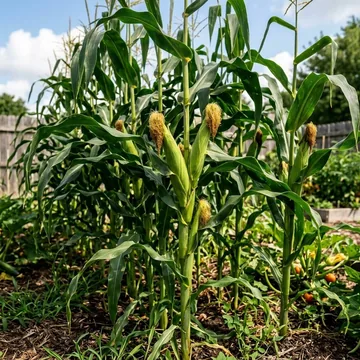
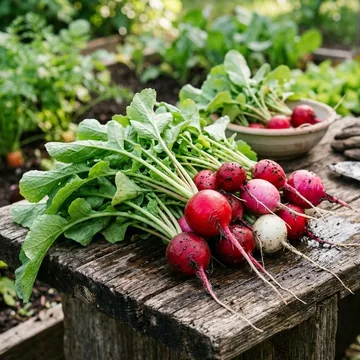
Keep away from: Potato.
More plants to grow
Popular guides readers also check.
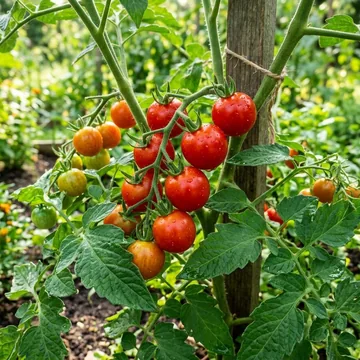
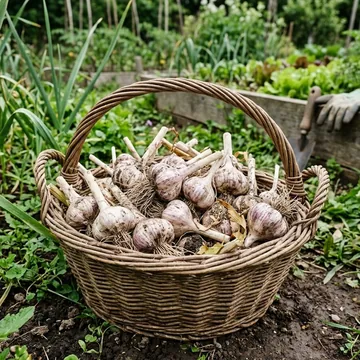
🌱 Get winter squash planting dates for your zone
Get your personalized "what to plant and when" calendar for your zone — plus tips when each crop is ready. Free, unsubscribe anytime.