What Grows in Yukon?
Yukon has a subarctic continental climate with extreme cold winters but surprisingly warm and long summer days. Whitehorse is Zone 1b-2a. Some vegetables succeed with cold frames and fast-maturing varieties.
Primary zone
Last frost
First frost
Growing season
In Yukon, you can grow 31 plants well. The state/province spans zones 0, 1 with a 75-day season.
What grows well in Yukon
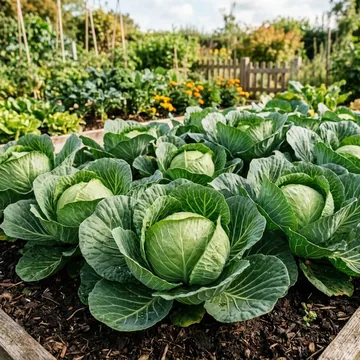
Cabbage
Grows well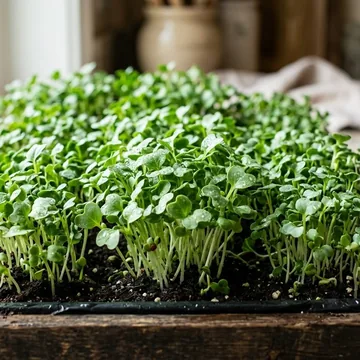
Microgreens
Grows well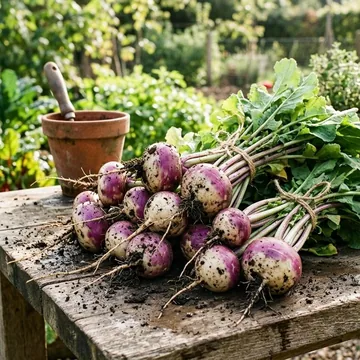
Turnip
Grows well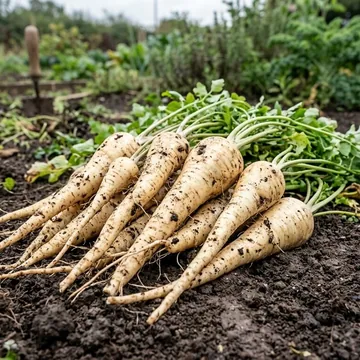
Parsnip
Grows well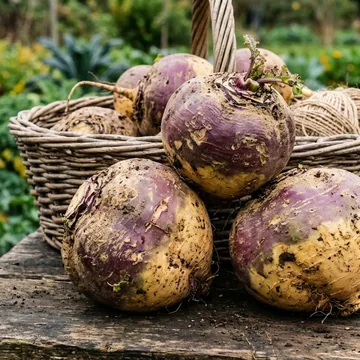
Rutabaga
Grows well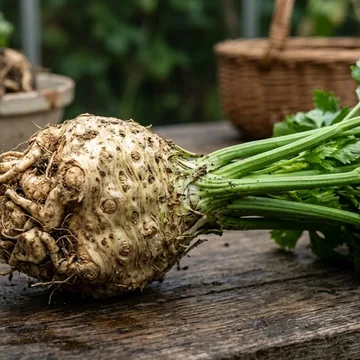
Celeriac
Grows well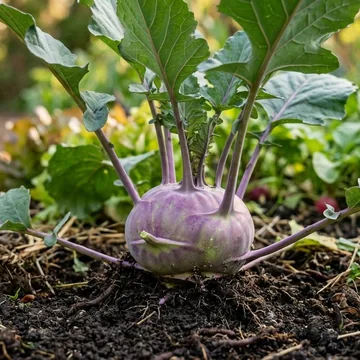
Kohlrabi
Grows well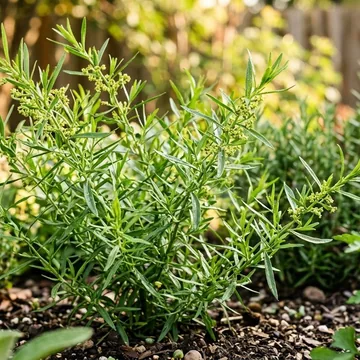
French Tarragon
Grows well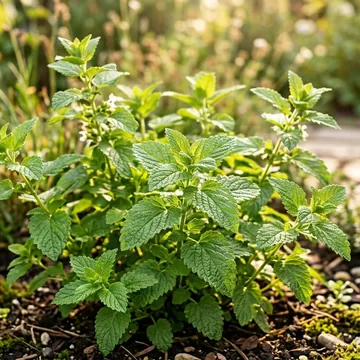
Lemon Balm
Grows well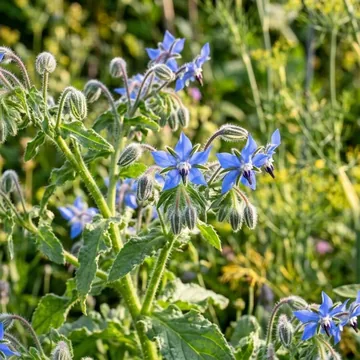
Borage
Grows well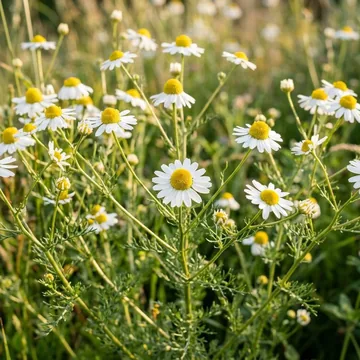
German Chamomile
Grows well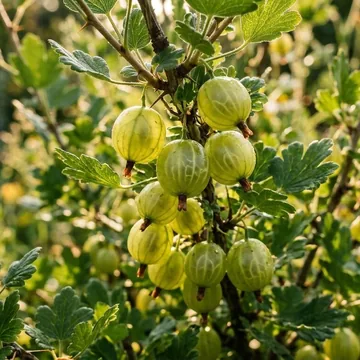
Gooseberry
Grows well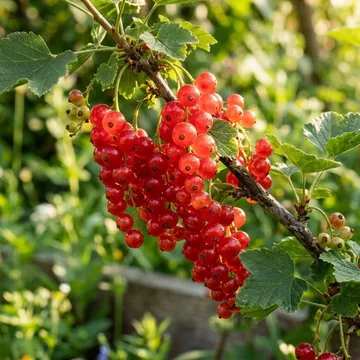
Red Currant
Grows well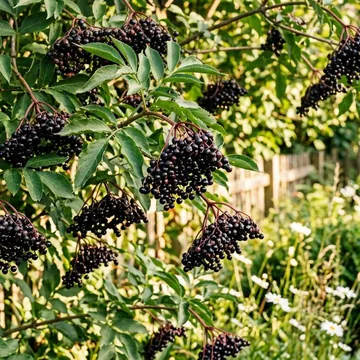
Elderberry
Grows well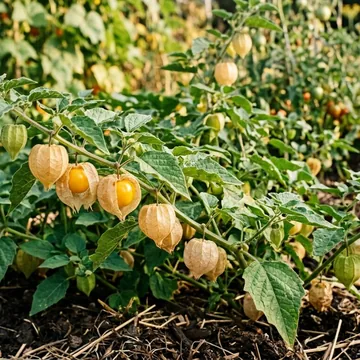
Ground Cherry
Grows well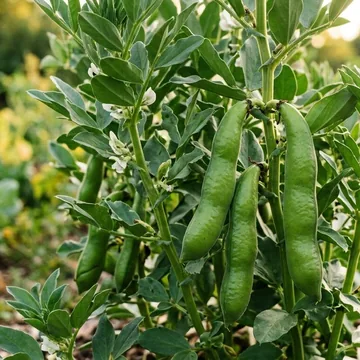
Fava Beans
Grows well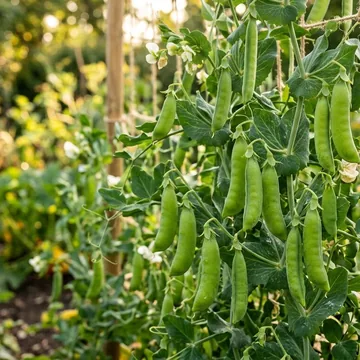
Snap Peas
Grows well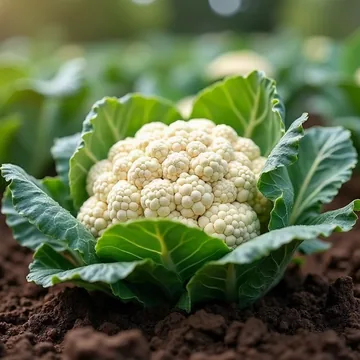
Cauliflower
Grows well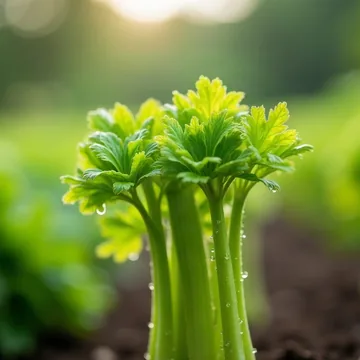
Celery
Grows well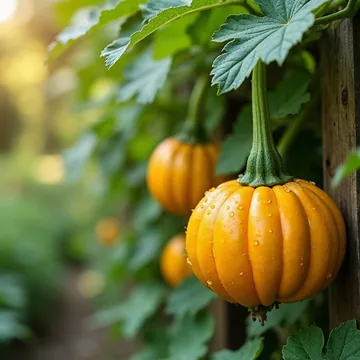
Winter Squash
Grows well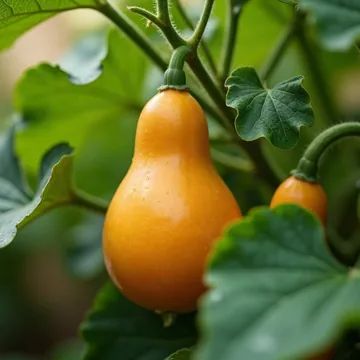
Butternut Squash
Grows well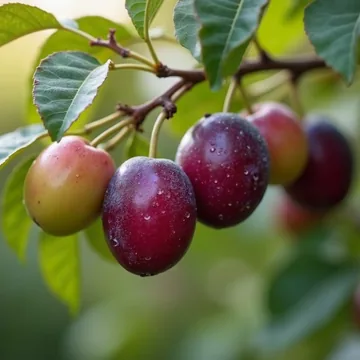
Plum
Grows well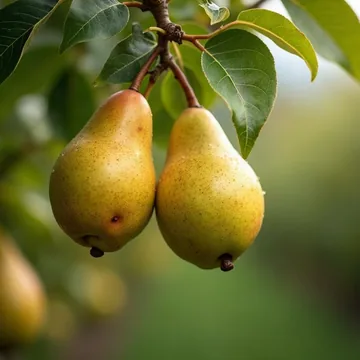
Pear
Grows well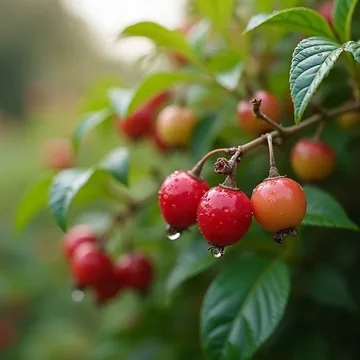
Cranberry
Grows well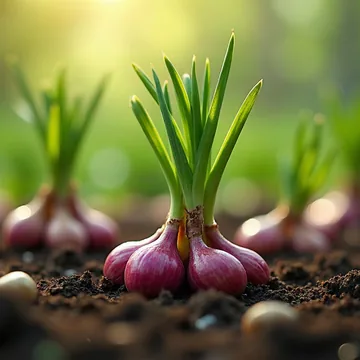
Shallot
Grows well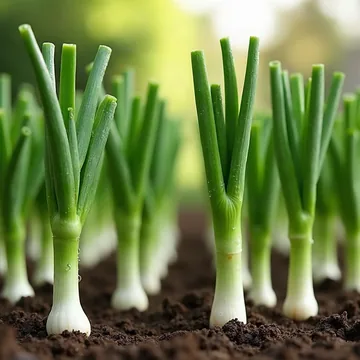
Scallion
Grows well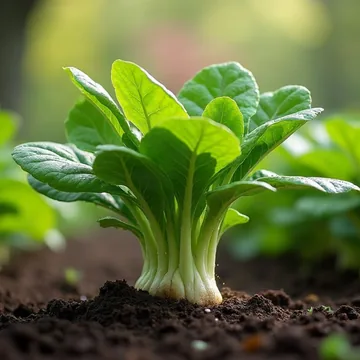
Horseradish
Grows well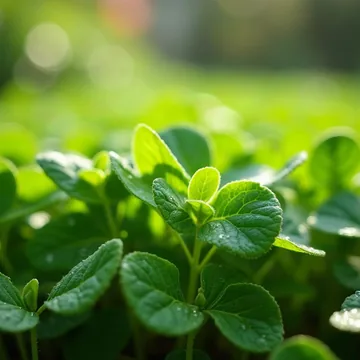
Watercress
Grows well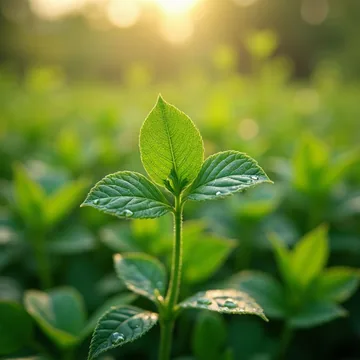
Sorrel
Grows well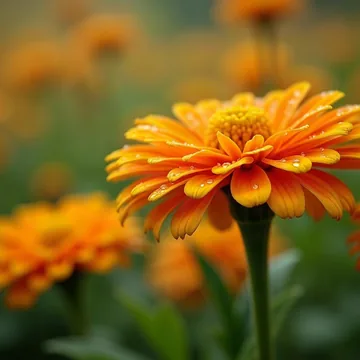
Calendula
Grows well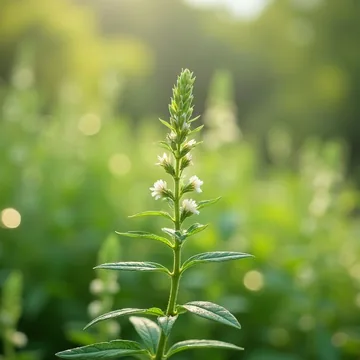
Savory
Grows wellFrequently asked questions
What hardiness zone is Yukon?
Yukon spans 0, 1 zones, with a primary zone of 1.
When is the last frost in Yukon?
The average last frost is mid-June, and the first frost is mid-August.
What grows well in Yukon?
31 plants grow well here, including Cabbage, Microgreens, Turnip, Parsnip, Rutabaga, Celeriac, and more.
How long is Yukon's growing season?
Yukon has about 75 frost-free days per year. Yukon has a subarctic continental climate with extreme cold winters but surprisingly warm and long summer days. Whitehorse is Zone 1b-2a. Some vegetables succeed with cold frames and fast-maturing varieties.
🌱 Get Yukon planting dates
Get your personalized "what to plant and when" calendar for your zone — plus tips when each crop is ready. Free, unsubscribe anytime.