What Grows in US Zone 1b?
Severe subarctic climate. Short but productive summer for cold-hardy vegetables like kale, radishes, and lettuce.
Last frost
First frost
Frost-free days
Plants that grow well
In Zone 1b, 2 plants grow well, 25 are borderline. Your growing season is 47 days (mid-June to early August).
What grows well in Zone 1b
Borderline — needs care
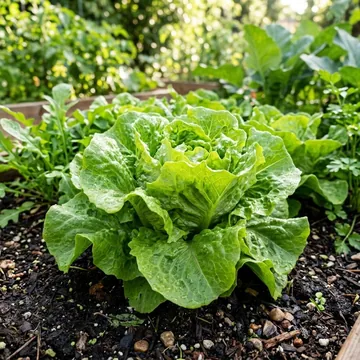
Lettuce
Borderline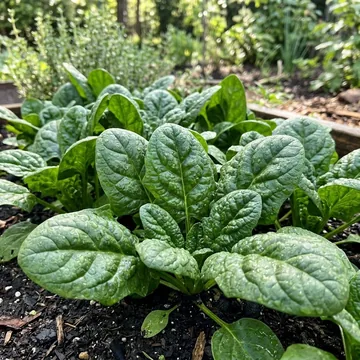
Spinach
Borderline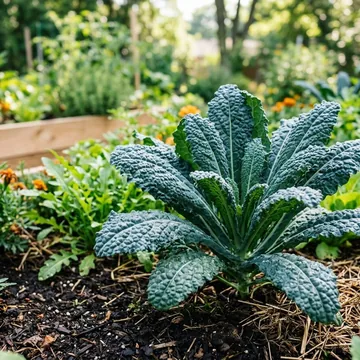
Kale
Borderline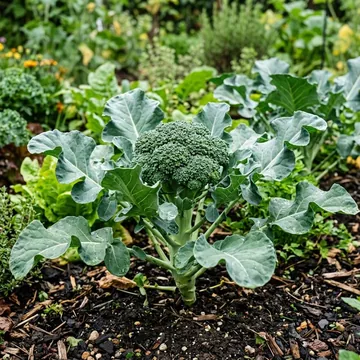
Broccoli
Borderline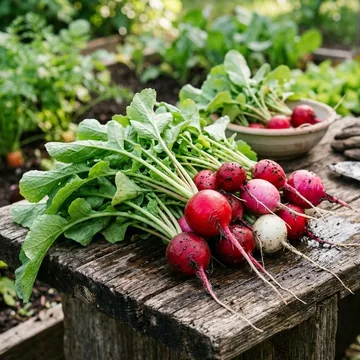
Radish
Borderline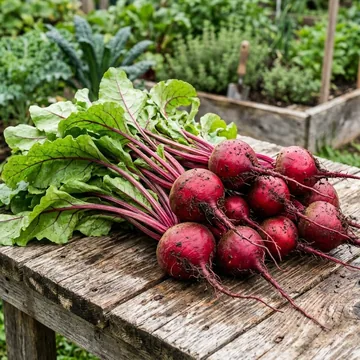
Beets
Borderline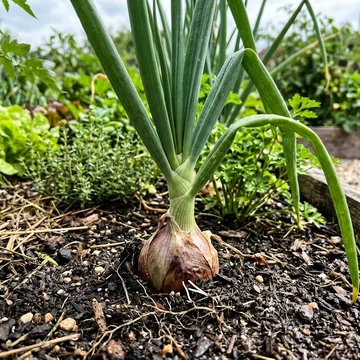
Onion
Borderline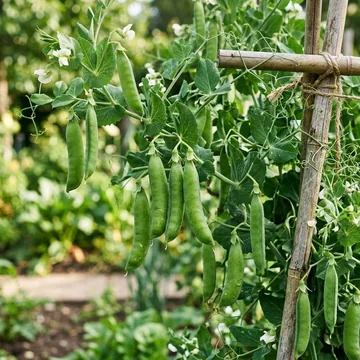
Peas
Borderline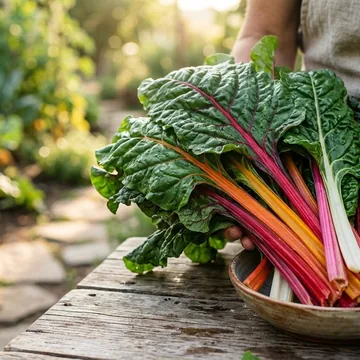
Swiss Chard
Borderline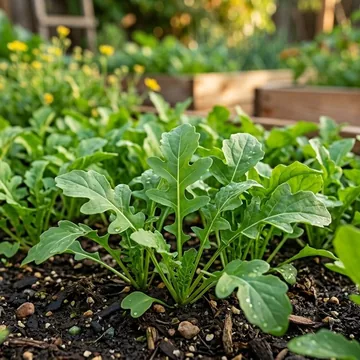
Arugula
Borderline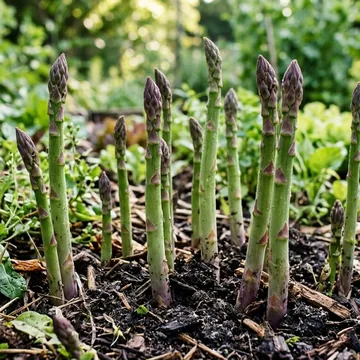
Asparagus
Borderline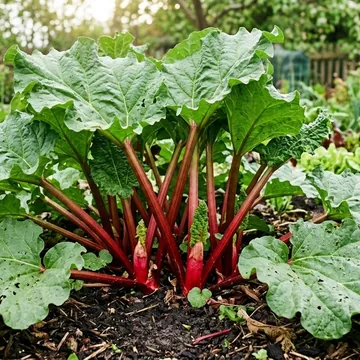
Rhubarb
Borderline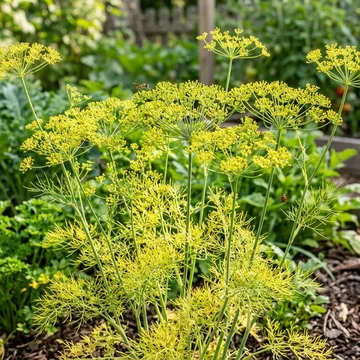
Dill
Borderline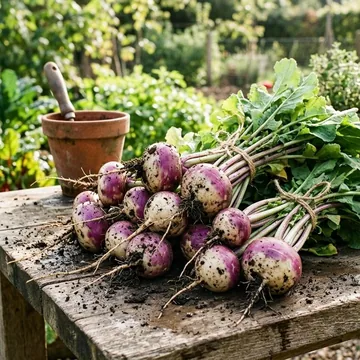
Turnip
Borderline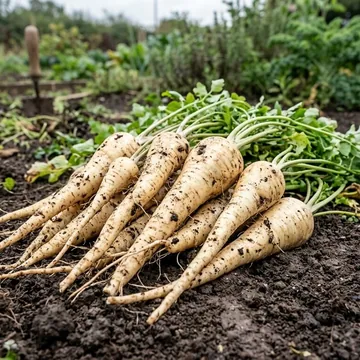
Parsnip
Borderline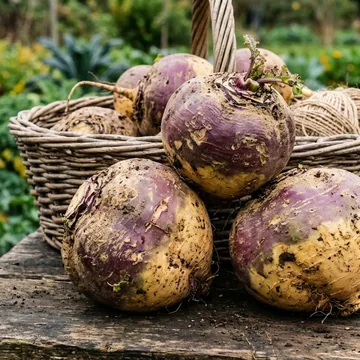
Rutabaga
Borderline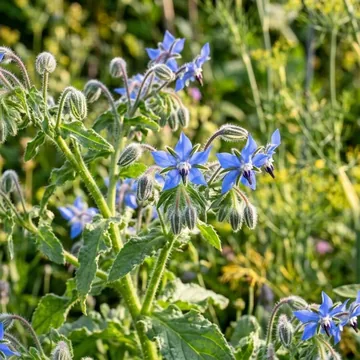
Borage
Borderline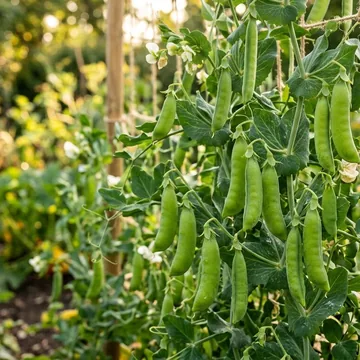
Snap Peas
Borderline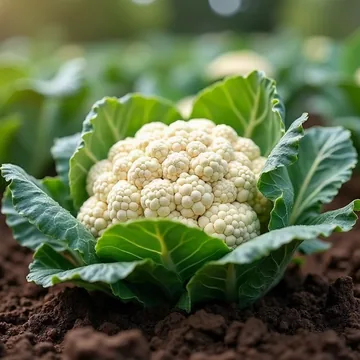
Cauliflower
Borderline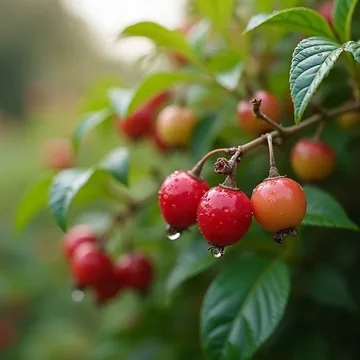
Cranberry
Borderline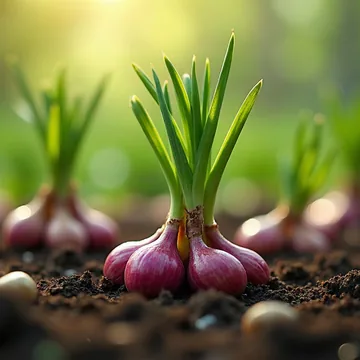
Shallot
Borderline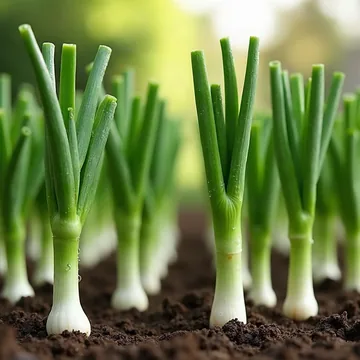
Scallion
Borderline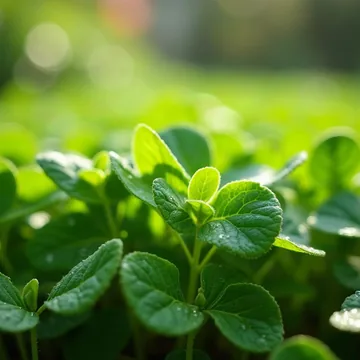
Watercress
Borderline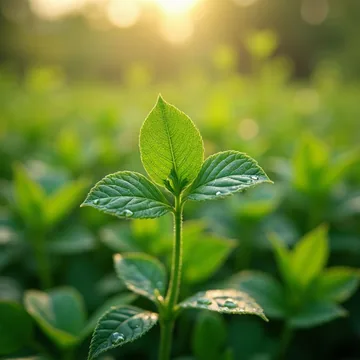
Sorrel
Borderline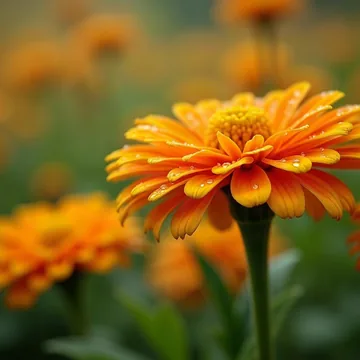
Calendula
BorderlineFrequently asked questions
What is USDA Hardiness Zone 1b?
Severe subarctic climate. Short but productive summer for cold-hardy vegetables like kale, radishes, and lettuce.
When is the last frost in Zone 1b?
The average last frost is mid-June, and the first frost is early August. That's about 47 frost-free days per year.
What grows well in Zone 1b?
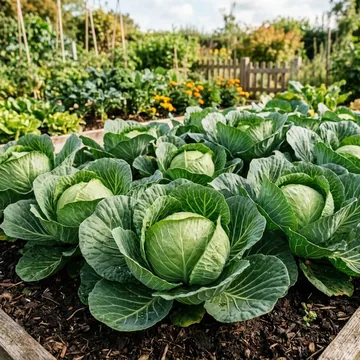
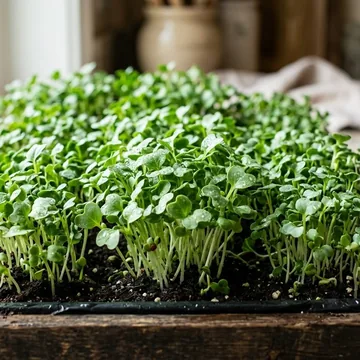
2 plants grow well here, including Cabbage, Microgreens. See the full list below.
What can't you grow in Zone 1b?
92 plants are too cold or too warm for this zone — see the "won't grow" list below.
🌱 Get Zone 1b planting dates
Get your personalized "what to plant and when" calendar for your zone — plus tips when each crop is ready. Free, unsubscribe anytime.