How to Grow Lavender
Zones 5a–8b · Intermediate · Perennial
Container-friendlyBalcony/patioPerennialDeer-resistant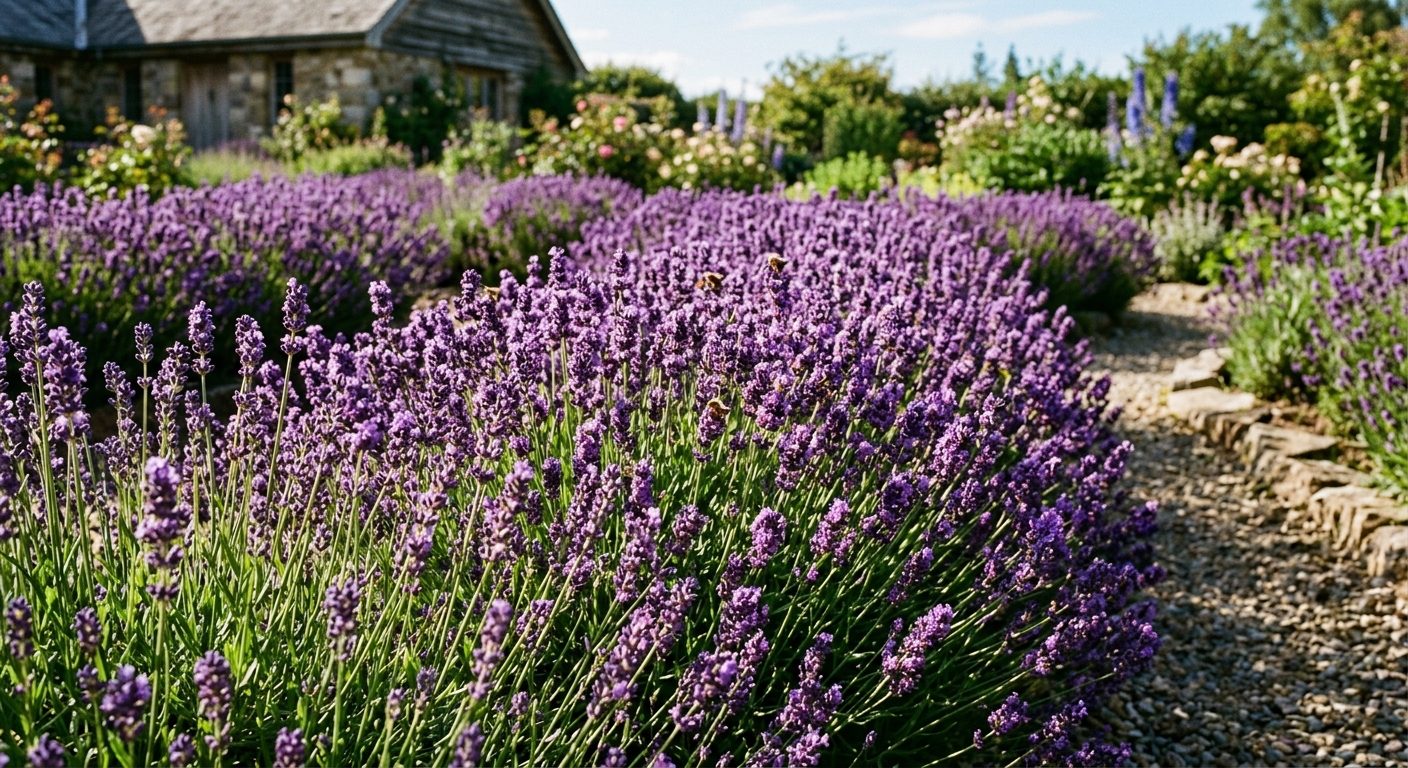
Lavender needs excellent drainage above all — it will rot in wet heavy soil even in a suitable zone.
Light
Water
Soil
Days to harvest
When to plant Lavenders
Your exact dates depend on your last frost date. Enter your location to get your personalized planting calendar.
In general: direct-sow or transplant after your last frost, and expect harvest starting the following season. See zone 5a →
Growing guide
Overview
Lavender is a long-lived perennial grown for its fragrant purple flower spikes and silvery foliage. Gardeners in USDA zones 5a-8b value it for pollinators, drought tolerance, and cut or dried flowers. It needs full sun, low water, and sharply drained soil; English lavender (Lavandula angustifolia) is the hardiest choice for cold zones.
Soil & planting prep
Choose a sandy or loamy spot with excellent drainage; avoid low areas where water collects. Lavender prefers neutral to slightly alkaline soil, around pH 6.5-8.0, so add garden lime if your soil is acidic. Space plants 18-24 inches apart and set them at the same depth they were growing in the nursery pot.
When to plant
Set out lavender transplants in spring after your last frost date, once the soil is beginning to warm. Young lavender is not frost-tolerant, so do not plant it in fall in this guide, and wait if a late frost is forecast. In zones 5a-8b this is typically mid-spring to early summer depending on your exact location.
How to plant
- Pick a full-sun site with at least 6 hours of direct sun per day.
- Before planting, loosen the soil and mix in coarse sand or fine gravel, not compost, to improve drainage.
- Dig a hole the same depth as the root ball and twice as wide; space multiple plants 18-24 inches apart.
- Set the plant in the hole so the crown is level with the surrounding soil and backfill around it.
- Water lightly to settle the soil, then spread a gravel or stone mulch around the base instead of wood chips.
5 common mistakes to avoid
- Using compost or rich organic matter in the planting hole is a common mistake because it retains moisture around lavender roots, so improve drainage with coarse sand or gravel instead.
- Giving lavender less than full sun produces leggy, weak growth and almost no blooms, so plant it where it will receive at least six hours of direct sun.
- Letting lavender sit in heavy clay or low wet soil causes root rot even in zones 5a-8b, so use a raised bed, berm, or container if drainage is slow.
- Cutting into the old woody center or skipping pruning leaves a plant that declines quickly, so cut back by about half after flowering while keeping several inches of green growth below the cuts.
- Planting young transplants before the last spring frost can damage or kill them, so wait until frost danger has passed and the soil has started to warm.
Harvesting & storage
Harvest lavender when the lower third of each flower spike has opened but the upper buds are not fully open, because that is when fragrance and oil are strongest. Cut stems in the morning after dew dries, leaving some green growth on the plant. Hang small bundles upside down in a dark, dry, airy place until crisp, then store in an airtight container.
Companion planting
Good companions include rosemary, sage, thyme, yarrow, and echinacea, which share the same dry, full-sun conditions. Avoid planting lavender beside water-loving or heavy-feeding plants such as impatiens, hostas, or hydrangeas that need consistently moist rich soil.
Growing in containers
Lavender grows well in containers; choose a pot at least 3 gallons with multiple drainage holes. Use a gritty, fast-draining potting mix, place it in full sun, and let the top inch or two of soil dry before watering.
Pro tips
Plant in the sandiest most well-drained soil you have. Raised beds or containers work well. Cut back by half after flowering. English lavender (L. angustifolia) is the hardiest for cold zones.
Grow Lavenders this season
Get lavender seeds and supplies matched to your climate.
Shop lavender seeds →We may earn a commission when you buy through links on our site. Full disclosure.
Frequently asked questions
How long do Lavenders take to grow?
Lavenders take about Perennial.
What zone does Lavender grow in?
Lavenders grow in USDA Hardiness Zones 5a–8b.
Can you grow Lavender in a container?
Yes — Lavenders grow well in containers. A 3-gallon pot or larger is ideal.
Is Lavender hard to grow?
Difficulty: Intermediate. Lavender needs excellent drainage above all — it will rot in wet heavy soil even in a suitable zone.
Is Lavender safe for dogs and cats?
Lavenders are not safe for pets — keep dogs and cats away from the plant.
Grows well with
Companion plants that help lavender — improving growth, repelling pests, or attracting pollinators.
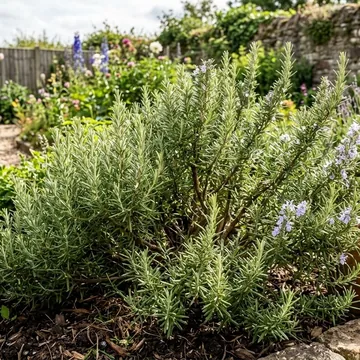
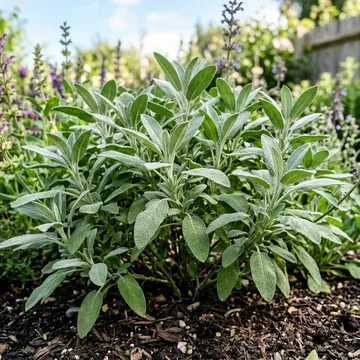
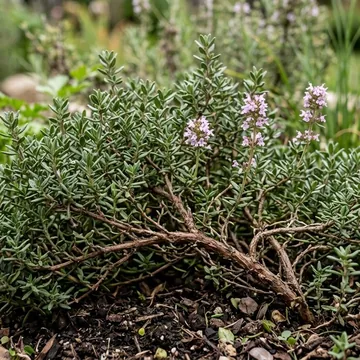
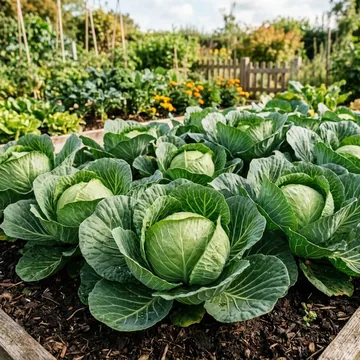
Keep away from: Mint.
More plants to grow
Popular guides readers also check.
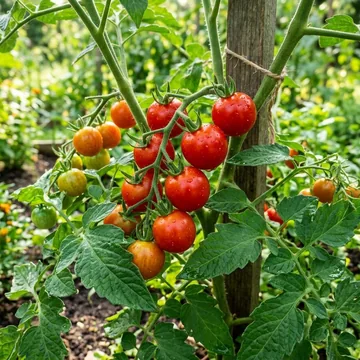
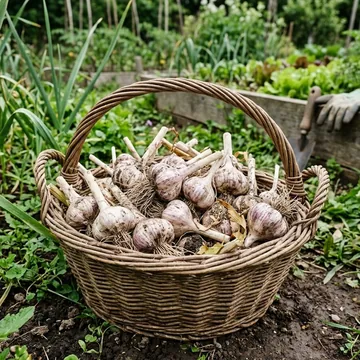
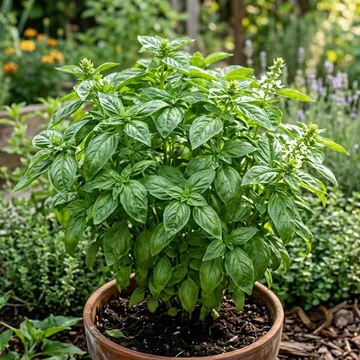
🌱 Get lavender planting dates for your zone
Get your personalized "what to plant and when" calendar for your zone — plus tips when each crop is ready. Free, unsubscribe anytime.