How to Grow Sunflower
Zones 2a–11b · Beginner · 60–80 days
Container-friendlyBalcony/patio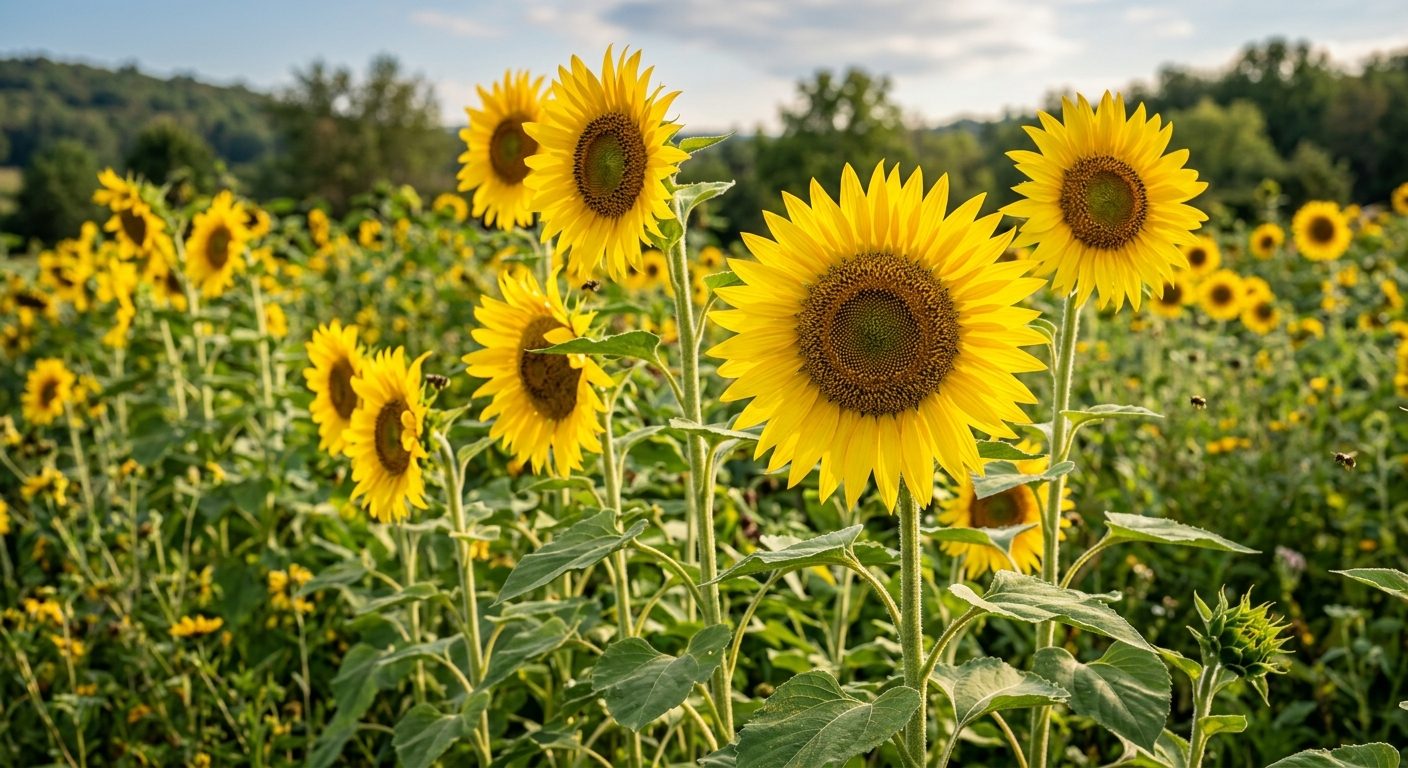
Sunflowers are fast-growing cheerful and attract pollinators — some varieties produce edible seeds.
Light
Water
Soil
Days to harvest
When to plant Sunflowers
Your exact dates depend on your last frost date. Enter your location to get your personalized planting calendar.
In general: direct-sow or transplant after your last frost, and expect harvest ~60–80 days later. See zone 2a →
Growing guide
Overview
Sunflowers are fast-growing annuals grown across USDA zones 2a–11b, loved for their cheerful blooms, pollinator visits, and edible seeds on some varieties. They are beginner-friendly and bloom quickly. They thrive in full sun and well-drained loamy or sandy soil, with low water once established.
Soil & planting prep
Ideal soil is well-drained loam or sand with a pH around 6.0–7.5. Work an inch or two of compost into the top 12 inches of soil before planting, but avoid high-nitrogen fertilizer, which encourages tall stems at the expense of flowers. Sow seeds 1 inch deep and 6 inches apart before thinning.
When to plant
Direct sow after your last frost date. Sunflowers are frost-tender, so wait until all danger of frost has passed and soil is at least 50°F, usually 1–2 weeks after last frost. For continuous blooms, sow a new batch every 2–3 weeks until mid-summer.
How to plant
- Pick a full-sun spot with at least 6–8 hours of direct sun and well-drained loamy or sandy soil.
- Loosen soil about 12 inches deep and mix in an inch or two of compost; avoid high-nitrogen fertilizer.
- After your last frost, sow seeds 1 inch deep and 6 inches apart, then water lightly.
- Thin when seedlings have their first true leaves: 12–18 inches apart for dwarf and branching types, 24–36 inches for single-stem giants.
- Water regularly until plants are established, then reduce frequency. Stake tall varieties when they reach 2–3 feet.
5 common mistakes to avoid
- Sowing before the soil has warmed — sunflower seeds germinate poorly below about 50°F and may rot, so wait until 1–2 weeks after your last frost date.
- Growing tall single-stem varieties at dwarf spacing — crowded plants compete for light and produce small heads; thin giants to 24–36 inches apart.
- Skipping support for tall or giant varieties — a heavy flower head on a tall stem topples easily in wind or rain; stake plants when they reach about 2–3 feet.
- Watering established sunflowers too often — they are a low-water crop, and constantly wet soil leads to root or stem rot; let the top few inches of soil dry between waterings.
- Harvesting seed heads too early — seeds are not mature until the back of the head has turned yellow-brown and the seeds feel firm; cover heads with netting if birds start feeding.
Harvesting & storage
For cut flowers, cut stems in early morning when the petals just begin to open. For edible seed, wait until the back of the head turns yellow-brown and the seeds feel firm, then cut the head and hang it in a dry, airy place. Rub the seeds free and store them in an airtight container.
Companion planting
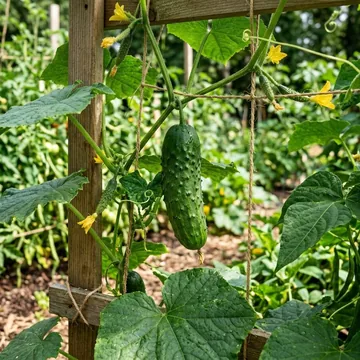
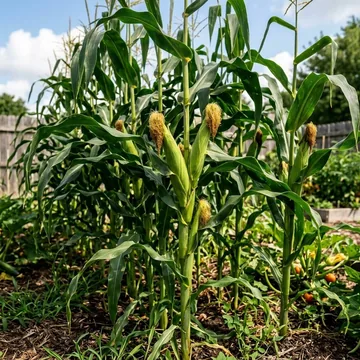
Good companions include cucumbers, squash, and corn; sunflowers attract pollinators and can support light vining crops. Avoid planting them next to potatoes or pole beans, which can be stunted by sunflower root exudates.
Growing in containers
Dwarf and compact sunflowers grow well in a 5-gallon container with drainage holes and quality potting mix. Place the container in full sun and water when the top inch of soil is dry; tall or giant varieties are better in the ground.
Pro tips
Direct sow after last frost in the sunniest spot available. No transplanting needed. Giant varieties need staking. Harvest seed heads when the back turns brown and seeds are firm.
Grow Sunflowers this season
Get sunflower seeds and supplies matched to your climate.
Shop sunflower seeds →We may earn a commission when you buy through links on our site. Full disclosure.
Frequently asked questions
How long do Sunflowers take to grow?
Sunflowers take about 60–80 days.
What zone does Sunflower grow in?
Sunflowers grow in USDA Hardiness Zones 2a–11b.
Can you grow Sunflower in a container?
Yes — Sunflowers grow well in containers. A 5-gallon pot or larger is ideal.
Is Sunflower hard to grow?
Difficulty: Beginner. Sunflowers are fast-growing cheerful and attract pollinators — some varieties produce edible seeds.
Is Sunflower safe for dogs and cats?
Sunflowers are safe for both dogs and cats.
Grows well with
Companion plants that help sunflower — improving growth, repelling pests, or attracting pollinators.
Keep away from: Potato.
More plants to grow
Popular guides readers also check.
🌱 Get sunflower planting dates for your zone
Get your personalized "what to plant and when" calendar for your zone — plus tips when each crop is ready. Free, unsubscribe anytime.