How to Grow Peanut
Zones 6a–11b · Intermediate · 120–150 days
Container-friendlyPeanuts are a fascinating crop — not a tree nut but a legume that flowers above ground and buries its pods below. They need a long, hot growing season and loose, sandy soil.
Light
Water
Soil
Days to harvest
Start indoors
When to plant Peanuts
Your exact dates depend on your last frost date. Enter your location to get your personalized planting calendar.
In general: start seeds indoors 4 weeks before your last frost, and expect harvest ~120–150 days later. See zone 6a →
Growing guide
Overview
The peanut is a warm-season legume that flowers above ground, then bends its pegs down to bury pods in the soil. Gardeners grow it because it’s a fun, unusual crop that fixes nitrogen and produces fresh, boilable peanuts you can’t buy at the store. It needs a long, hot summer, full sun, and loose, sandy soil to thrive.
Soil & planting prep
Peanuts grow best in loose, sandy loam with a pH of 6.0 to 6.5. Work the soil 8 to 10 inches deep so pegs can easily penetrate and pods can expand. Plant seeds 1 to 1.5 inches deep and 6 to 8 inches apart in rows spaced 24 to 36 inches apart.
When to plant
Plant peanuts outdoors only after the last frost date has passed and the soil has warmed to at least 65°F at a 4-inch depth. In most regions, this is 2 to 4 weeks after the average last frost. If you start seeds indoors, begin them 4 weeks before the last frost date in individual pots, but harden them off carefully because peanuts resent root disturbance.
How to plant
- Choose a spot in full sun with loose, sandy loam that drains well; avoid heavy clay.
- Incorporate compost or aged manure the previous fall or a few weeks before planting, and adjust pH to 6.0–6.5 if needed.
- Sow raw, unroasted peanut seeds (with intact skins) 1 to 1.5 inches deep, 6 to 8 inches apart, in rows 24 to 36 inches apart.
- Water gently after planting and keep the soil evenly moist but not soggy until seedlings emerge, usually in 7 to 14 days.
- Once plants are 6 to 8 inches tall, begin hilling soil around the base to give pegs a loose medium to enter.
5 common mistakes to avoid
- Planting too early in cold soil: peanuts need soil at 65°F or warmer to germinate and grow; planting into cold, wet soil causes seeds to rot and seedlings to stunt. Wait until the soil has warmed reliably after your last frost date.
- Using roasted or treated peanuts: only raw, unroasted peanuts with intact skins will sprout. Roasted nuts are dead, and treated seed is often coated with fungicides not meant for garden use.
- Letting the soil dry out completely during flowering and pegging: drought stress at this stage causes empty pods and poor yields. Keep the soil evenly moist from flowering until harvest, especially in sandy soils.
- Failing to hill soil around the plants: without loose soil around the base, pegs can’t bury and pods won’t form. Hill soil twice, starting when plants are 6 to 8 inches tall and again two weeks later.
- Harvesting too early or too late: digging before pods mature gives you shriveled, watery nuts, while leaving them too long causes pods to sprout or rot in the ground. Watch for yellowing foliage and check a few pods for full, dark veins inside the shell.
Harvesting & storage
Harvest when the foliage turns yellow and begins to die back, usually 120 to 150 days after planting. Lift the entire plant with a garden fork, shake off excess soil, and cure the whole plants in a dry, airy spot for 1 to 2 weeks. Once cured, strip the pods and store them in a cool, dry place; shelled nuts keep for several months in airtight containers.
Companion planting
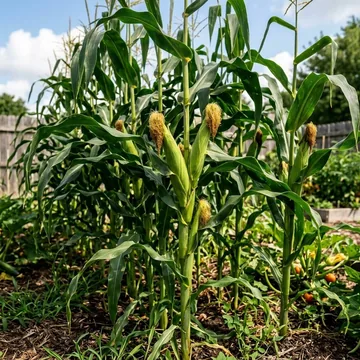
Peanuts grow well with corn, beans, and other legumes, as well as with marigolds and nasturtiums. Avoid planting them near onions, garlic, or other alliums, which can inhibit legume growth.
Growing in containers
Peanuts can be grown in containers, but they need a large pot at least 12 gallons to allow pegs to bury and pods to develop. Use a loose, sandy potting mix and keep it evenly moist; place the container in full sun and hill soil around the base as plants grow.
Pro tips
Plant raw, unroasted peanuts after soil warms to 65°F+. Hill soil around plants as they grow so pegs can bury. Harvest when foliage yellows; dry the pods before shelling.
Grow Peanuts this season
Get peanut seeds and supplies matched to your climate.
Shop peanut seeds →We may earn a commission when you buy through links on our site. Full disclosure.
Frequently asked questions
How long do Peanuts take to grow?
Peanuts take about 120–150 days, plus 4 weeks to start seeds indoors.
What zone does Peanut grow in?
Peanuts grow in USDA Hardiness Zones 6a–11b.
Can you grow Peanut in a container?
Yes — Peanuts grow well in containers. A 12-gallon pot or larger is ideal.
Is Peanut hard to grow?
Difficulty: Intermediate. Peanuts are a fascinating crop — not a tree nut but a legume that flowers above ground and buries its pods below. They need a long, hot growing season and loose, sandy soil.
Is Peanut safe for dogs and cats?
Peanuts are safe for both dogs and cats.
Grows well with
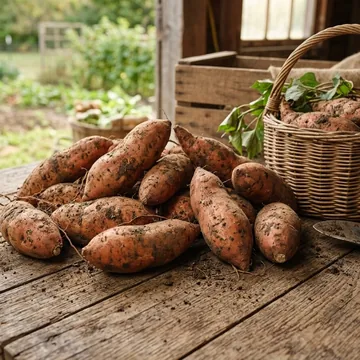
Companion plants that help peanut — improving growth, repelling pests, or attracting pollinators.
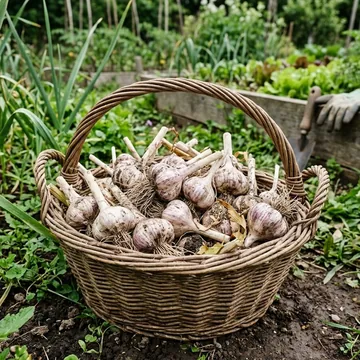
Keep away from: Onion, Garlic.
More plants to grow
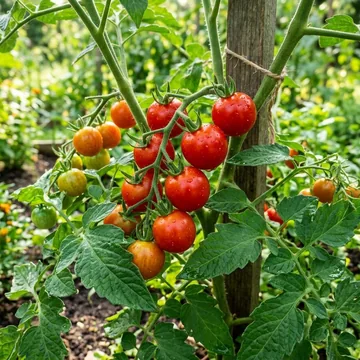
Popular guides readers also check.

🌱 Get peanut planting dates for your zone
Get your personalized "what to plant and when" calendar for your zone — plus tips when each crop is ready. Free, unsubscribe anytime.