How to Grow Okra
Zones 7a–11b · Intermediate · 50–65 days
Container-friendlyBalcony/patio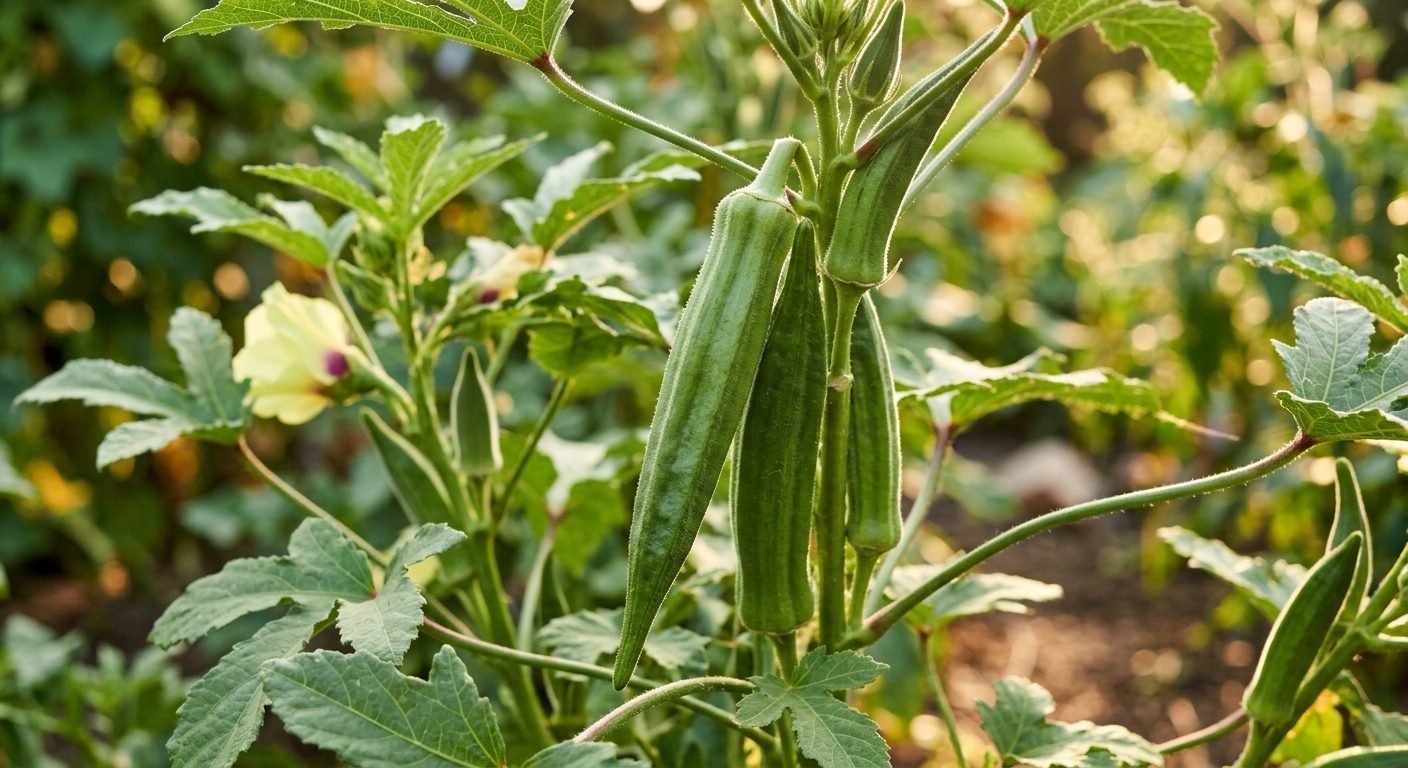
Okra is a heat-loving staple of Southern US, Indian, and West African cuisines. The crisp pods are essential for gumbo, bhindi masala, and fried dishes. One of the most productive warm-season crops per square foot.
Light
Water
Soil
Days to harvest
Start indoors
When to plant Okras
Your exact dates depend on your last frost date. Enter your location to get your personalized planting calendar.
In general: start seeds indoors 3 weeks before your last frost, and expect harvest ~50–65 days later. See zone 7a →
Growing guide
Overview
Okra is a heat-loving vegetable grown for its crisp, edible pods, which are a staple in Southern US, Indian, and West African cooking. It thrives in full sun and warm soil, producing pods in just 50 to 65 days from transplant. This plant is a heavy producer, yielding pods continuously if kept picked, and it grows well in containers with at least 5 gallons of soil.
Soil & planting prep
Okra prefers loose, well-drained loamy or sandy soil with a pH between 6.0 and 6.8. Before planting, mix in 2 to 3 inches of compost to improve fertility and drainage. Space plants 12 to 18 inches apart in rows 3 feet apart, and plant seeds 1 inch deep.
When to plant
Okra is not frost-tolerant and needs warm soil, so wait until at least 2 weeks after your last frost date, when soil temperature is consistently 65°F or higher. If starting indoors, sow seeds 3 weeks before your last frost date and transplant after the soil has warmed. In zones 7a–11b, this typically means planting from late April through June.
How to plant
- Soak seeds in water for 12 hours before planting to soften the hard seed coat and speed germination.
- Sow seeds indoors 3 weeks before the last frost date in individual pots filled with seed-starting mix, keeping them at 70–85°F.
- Harden off seedlings for 7–10 days by gradually exposing them to outdoor conditions before transplanting.
- Transplant seedlings or direct-sow seeds 1 inch deep and 12–18 inches apart in full sun after the soil has warmed to at least 65°F.
- Water immediately after planting and keep the soil evenly moist until plants are established.
5 common mistakes to avoid
- Planting too early in cold soil: okra seeds rot and seedlings stall if soil is below 65°F, so wait until at least 2 weeks after your last frost date.
- Not soaking seeds before planting: the hard seed coat delays germination by weeks, so soak seeds for 12 hours to jump-start sprouting.
- Letting pods grow too large: pods over 3 inches become tough and fibrous, so harvest every 2–3 days when pods are 2–3 inches long.
- Underwatering during pod set: drought stress causes pods to be small and woody, so water deeply once a week, more in extreme heat.
- Handling plants without gloves: the leaves and stems have tiny spines that irritate skin, so wear gloves and long sleeves when harvesting or tending.
Harvesting & storage
Harvest okra pods when they are 2 to 3 inches long and still tender, snapping them off cleanly at the stem. Pick every 2 to 3 days during peak season to keep plants productive. Store pods in a paper bag in the refrigerator for up to 3 days, or blanch and freeze for longer storage.
Companion planting
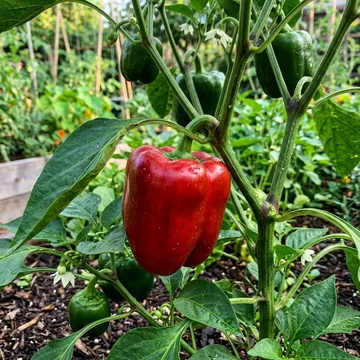
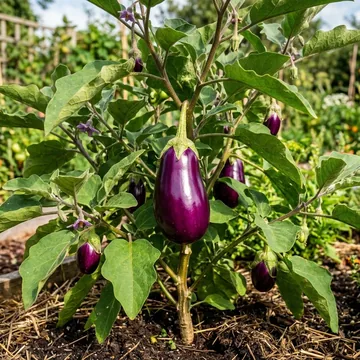
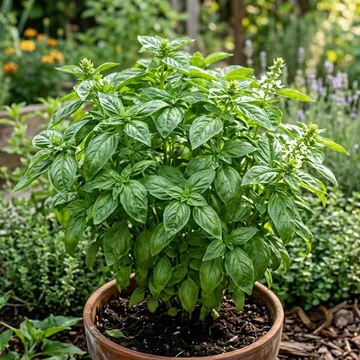
Good companions for okra include peppers, eggplant, and basil, which share similar heat and water needs. Avoid planting near cabbage family crops, as they may compete for nutrients and attract similar pests.
Growing in containers
Okra grows well in containers, but it needs a large pot—at least 5 gallons per plant—with drainage holes. Use a well-draining potting mix and place the container in full sun, watering regularly to keep the soil evenly moist.
Pro tips
Do not transplant until soil is consistently 65°F+. Soak seeds 12 hours before planting. Harvest pods at 2-3 inches — larger pods become fibrous. Pick every 2-3 days during peak season. Wear gloves — plant is mildly irritating.
Grow Okras this season
Get okra seeds and supplies matched to your climate.
Shop okra seeds →We may earn a commission when you buy through links on our site. Full disclosure.
Frequently asked questions
How long do Okras take to grow?
Okras take about 50–65 days, plus 3 weeks to start seeds indoors.
What zone does Okra grow in?
Okras grow in USDA Hardiness Zones 7a–11b.
Can you grow Okra in a container?
Yes — Okras grow well in containers. A 5-gallon pot or larger is ideal.
Is Okra hard to grow?
Difficulty: Intermediate. Okra is a heat-loving staple of Southern US, Indian, and West African cuisines. The crisp pods are essential for gumbo, bhindi masala, and fried dishes. One of the most productive warm-season crops per square foot.
Is Okra safe for dogs and cats?
Okras are safe for both dogs and cats.
Grows well with
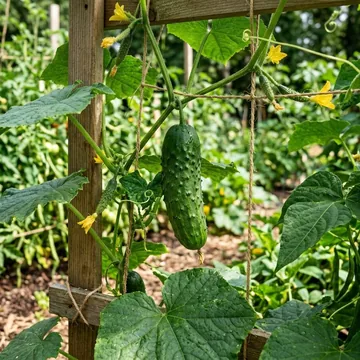
Companion plants that help okra — improving growth, repelling pests, or attracting pollinators.
More plants to grow
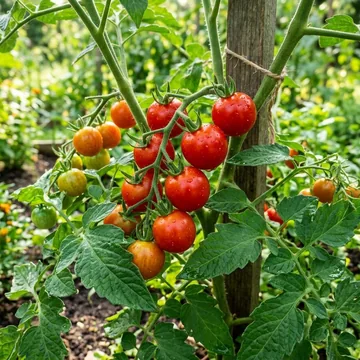
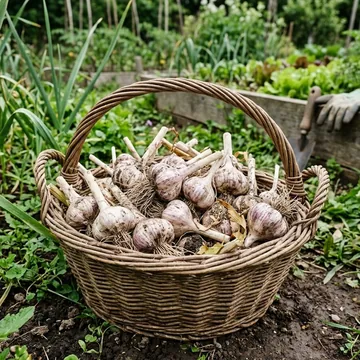
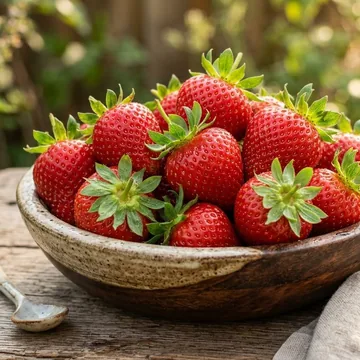
Popular guides readers also check.
🌱 Get okra planting dates for your zone
Get your personalized "what to plant and when" calendar for your zone — plus tips when each crop is ready. Free, unsubscribe anytime.