Home › Plants › Fenugreek (Methi)
How to Grow Fenugreek (Methi)
Zones 4a–9b · Beginner · 20–30 days
Container-friendlyBalcony/patioIndoor-friendlyDeer-resistant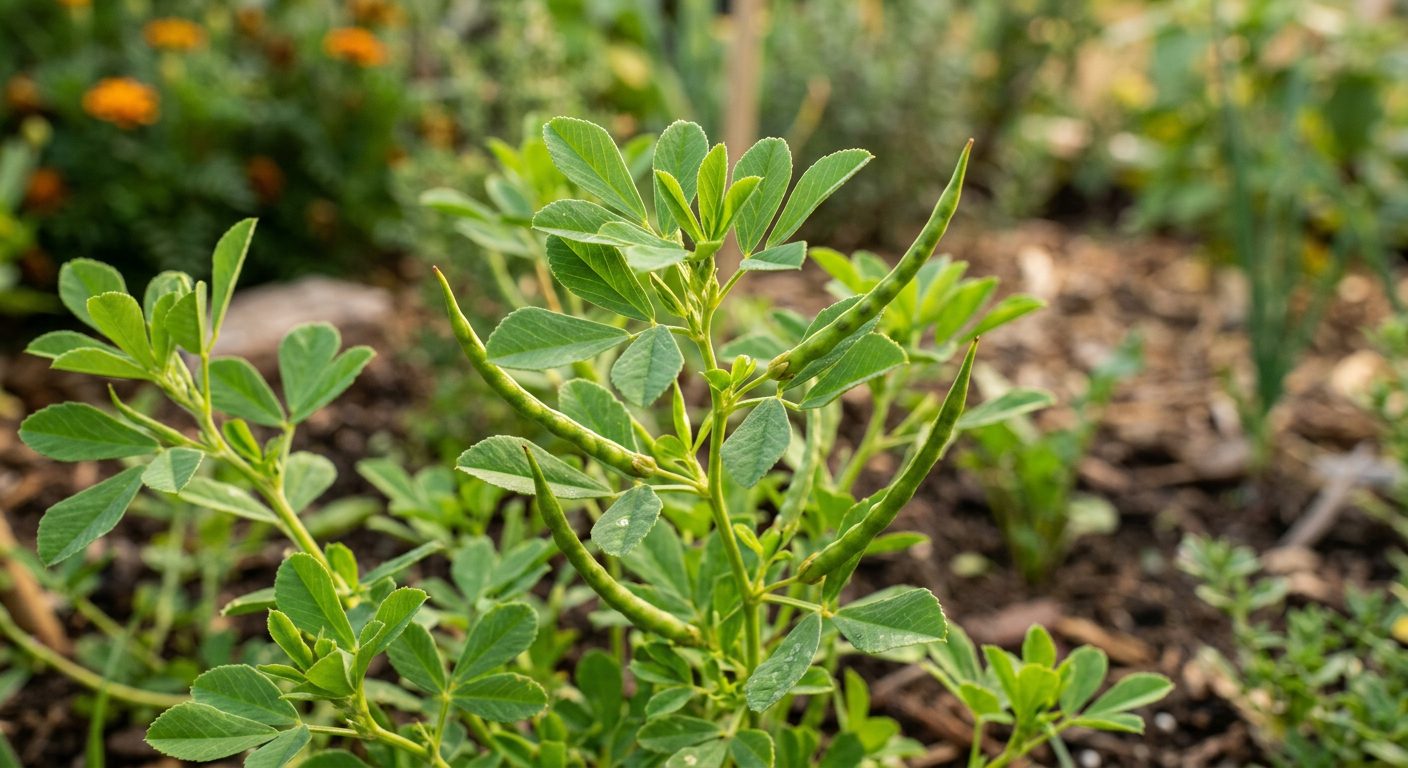
Fenugreek (methi) is an essential herb in Indian, Ethiopian, and Middle Eastern cooking — the fresh leaves (methi saag) are used in dals, curries, and flatbreads, while the seeds are a key spice. One of the easiest herbs to grow on a windowsill.
Light
Water
Soil
Days to harvest
When to plant Fenugreek (Methi)s
Your exact dates depend on your last frost date. Enter your location to get your personalized planting calendar.
In general: direct-sow or transplant after your last frost, and expect harvest ~20–30 days later. See zone 4a →
Growing guide
Overview
Fenugreek (methi) is a fast-growing annual herb grown for its aromatic leaves and seeds, staples in Indian, Ethiopian, and Middle Eastern cooking. It’s one of the easiest herbs to grow, thriving in full sun with low water and reaching harvest in just 20–30 days. Grow it for fresh methi saag or let it flower for seed pods.
Soil & planting prep
Fenugreek prefers loamy or sandy, well-drained soil with a pH of 6.0–7.0. Before planting, loosen the top 6 inches of soil and mix in compost if needed. Sow seeds densely, about 1/4 inch deep and 1–2 inches apart, in rows 6–12 inches apart.
When to plant
Direct sow fenugreek seeds outdoors 1–2 weeks after your last frost date, once the soil has warmed to at least 50°F. In zones with mild winters, you can also sow in late summer for a fall crop. It is frost-tolerant but grows best in cool weather, so avoid the heat of midsummer.
How to plant
- Prepare a sunny spot with well-drained soil; fenugreek does not tolerate waterlogged roots.
- Sow seeds 1/4 inch deep and 1–2 inches apart, broadcasting densely if you want a cut-and-come-again harvest.
- Keep the soil evenly moist until germination, which usually takes 3–7 days.
- Thin seedlings to 3–4 inches apart if you want larger plants for seed production; otherwise leave them crowded for leaf harvest.
- Water sparingly once established; fenugreek is drought-tolerant and overwatering causes yellowing.
5 common mistakes to avoid
- Sowing too late in spring after the soil has heated up: fenugreek bolts quickly in hot weather, turning leaves bitter and stopping leaf production. Sow early, 1–2 weeks after last frost, or in late summer for a fall crop.
- Overwatering: fenugreek is drought-tolerant and soggy soil leads to root rot and yellow leaves. Let the soil dry out slightly between waterings.
- Planting in heavy clay or poorly drained soil: this causes damping-off and stunted growth. Amend with compost or grow in raised beds/containers.
- Harvesting only the oldest leaves: older leaves become very bitter. Pick young leaves from the top or cut the whole plant back to 2 inches to encourage tender regrowth.
- Expecting a long season: fenugreek is a quick annual that declines after flowering. Succession-sow every 2–3 weeks for a continuous supply.
Harvesting & storage
Begin harvesting leaves 20–30 days after sowing, when plants are 6–8 inches tall. Snip individual leaves or cut the whole plant back to 2 inches above the soil for a cut-and-come-again harvest. For seeds, let pods turn golden brown, then harvest and dry them; store dried leaves or seeds in an airtight container in a cool, dark place.
Companion planting
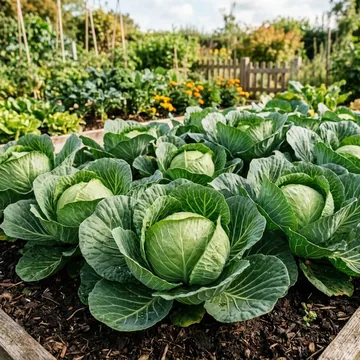
Fenugreek grows well with most vegetables, especially legumes like beans and peas, as it fixes nitrogen. Avoid planting near fennel, which inhibits growth of many herbs.
Growing in containers
Fenugreek is container-friendly; use a 2-gallon pot with drainage holes and a well-draining potting mix. Place it in a sunny window or on a balcony with at least 6 hours of direct sun.
Pro tips
Direct sow densely and harvest like a cut-and-come-again green. Leaves at 20-25 days are mild; older leaves become more bitter (which is desired for many recipes). For seeds, let plants flower and mature — harvest pods when golden brown. Grows indoors easily in a sunny window.
Grow Fenugreek (Methi)s this season
Get fenugreek (methi) seeds and supplies matched to your climate.
Shop fenugreek (methi) seeds →We may earn a commission when you buy through links on our site. Full disclosure.
Frequently asked questions
How long do Fenugreek (Methi)s take to grow?
Fenugreek (Methi)s take about 20–30 days.
What zone does Fenugreek (Methi) grow in?
Fenugreek (Methi)s grow in USDA Hardiness Zones 4a–9b.
Can you grow Fenugreek (Methi) in a container?
Yes — Fenugreek (Methi)s grow well in containers. A 2-gallon pot or larger is ideal.
Is Fenugreek (Methi) hard to grow?
Difficulty: Beginner. Fenugreek (methi) is an essential herb in Indian, Ethiopian, and Middle Eastern cooking — the fresh leaves (methi saag) are used in dals, curries, and flatbreads, while the seeds are a key spice. One of the easiest herbs to grow on a windowsill.
Is Fenugreek (Methi) safe for dogs and cats?
Fenugreek (Methi)s are safe for both dogs and cats.
Grows well with
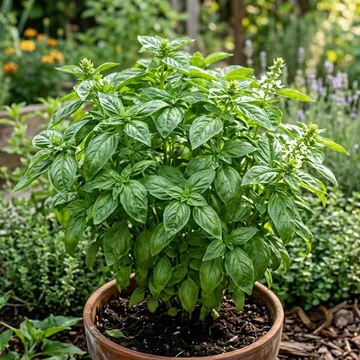
Companion plants that help fenugreek (methi) — improving growth, repelling pests, or attracting pollinators.
More plants to grow
Popular guides readers also check.
🌱 Get fenugreek (methi) planting dates for your zone
Get your personalized "what to plant and when" calendar for your zone — plus tips when each crop is ready. Free, unsubscribe anytime.